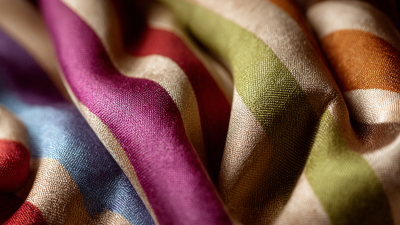
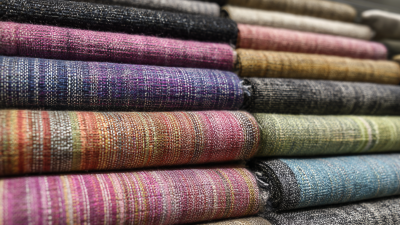
Transforming Waste into Wear: The Benefits of Recycled PET Fabric in Sustainable Fashion
The fashion industry is undergoing a significant transformation as sustainability becomes a focal point in addressing environmental challenges. One of the most promising innovations is the use of Recycled PET Fabric, which repurposes discarded plastic bottles into high-quality textile fibers. According to a report by the Ellen MacArthur Foundation, about 29% of global production in the fashion sector is attributed to synthetic fibers, with polyester accounting for over 60% of that figure. By 2030, it is projected that the demand for recycled polyester could rise dramatically as brands increasingly shift towards eco-friendly materials.
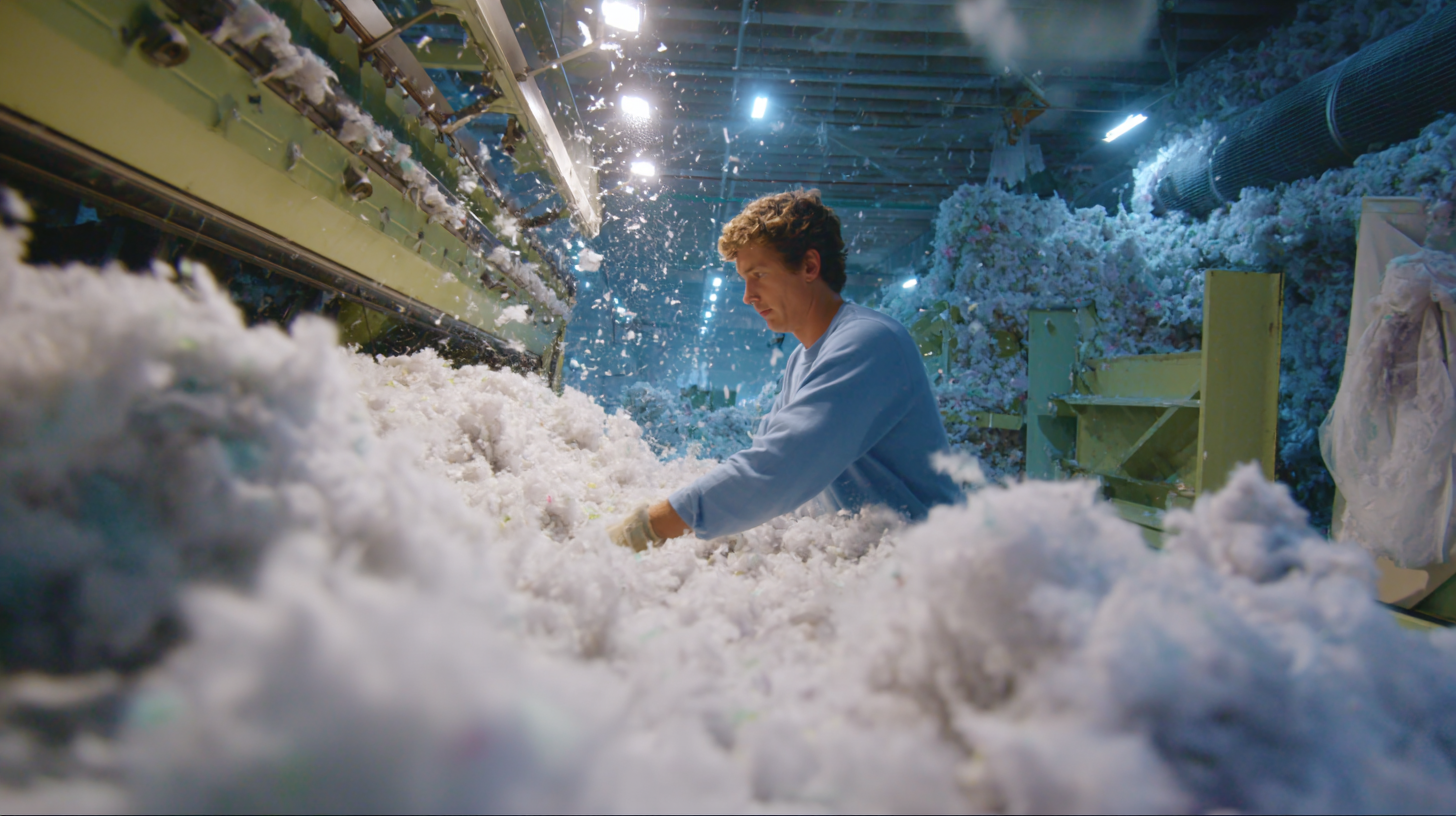
The adoption of Recycled PET Fabric not only minimizes landfill waste but also considerably reduces water usage and carbon emissions compared to virgin polyester production. As sustainability becomes a competitive advantage, integrating Recycled PET Fabric into fashion lines is not just a trend but a vital step towards a more responsible and circular economy in the textile industry.
Benefits of Recycled PET Fabric in Reducing Fashion Industry Waste
The fashion industry is increasingly recognizing the significance of recycled PET fabric in mitigating waste and promoting sustainability.
By utilizing recycled polyester, brands can significantly reduce their carbon footprint; reports suggest that recycled polyester can potentially cut CO₂ emissions by up to 75% compared to conventional polyester production.
Additionally, the global recycled polyester market is projected to grow substantially, expected to reach USD 38.53 billion by 2034.
This growth indicates a rising demand for sustainable materials and a shift in consumer preferences toward eco-friendly options.
Textile recycling not only transforms waste into valuable resources but also conserves natural resources by reducing the need for virgin materials.
Innovations in recycling processes are crucial, with advancements enabling more efficient recovery of textile waste.
As the plastic waste management market is set to surpass USD 54.66 billion by 2034, integrating recycled materials into fashion aligns with broader initiatives to reduce environmental impacts and enhance resource efficiency.
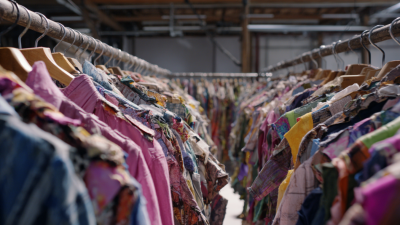
Embracing recycled PET fabric is a pivotal step toward addressing the significant waste generated by the fast fashion industry, which has seen a dramatic increase in production and disposal rates.
Economic Impact of Using Recycled PET in Clothing Production
The economic impact of using recycled PET (rPET) in clothing production is profound, particularly in an era where sustainability is becoming a central pillar of the fashion industry. According to a report by Textile Exchange, utilizing rPET can reduce production costs by up to 30% compared to virgin polyester. This not only provides manufacturers with significant savings but also increases their competitiveness in a market increasingly driven by eco-conscious consumers.
Moreover, the transition to rPET contributes to job creation within the recycling and manufacturing sectors. The Ellen MacArthur Foundation estimates that moving towards a circular economy could unlock up to $700 billion in value across the fashion industry. By investing in rPET, brands can stimulate local economies, foster innovation in waste management, and meet rising consumer demand for sustainable products. Brands embracing recycled materials are not only aligning with environmental goals but also tapping into a growing market segment, demonstrating that sustainability and profitability can go hand in hand.
Economic Impact of Using Recycled PET in Clothing Production
Sustainable Sourcing: The Role of Recycled PET in Ethical Fashion
The fashion industry is undergoing a profound transformation, driven by the urgent need for sustainable sourcing. Recycled PET (rPET) is at the forefront of this movement, representing a critical step toward ethical fashion practices. By repurposing plastic waste, brands can significantly reduce their environmental footprint while promoting a circular economy. This innovative material not only lessens the reliance on virgin resources but also alleviates the burden on landfills and oceans, fostering a healthier planet.
Moreover, the use of rPET aligns ethical sourcing with consumer demand for transparency and sustainability. By adopting recycled materials, fashion brands can communicate their commitment to environmental responsibility, appealing to increasingly conscious consumers who prioritize eco-friendly purchases. This not only enhances brand loyalty but also contributes to a broader cultural shift towards sustainable living. With the rise of recycled PET fabrics, the fashion industry is carving out a new path—one that harmonizes style with stewardship, proving that ethical fashion can be both attractive and responsible.

Consumer Demand Trends for Eco-Friendly and Recycled Fabric Garments
As the fashion industry grapples with its environmental impact, consumer demand for eco-friendly and recycled fabric garments is surging. Shoppers are increasingly prioritizing sustainability, seeking products that not only align with their values but also reduce their carbon footprint. This shift is evident in a growing preference for materials like recycled PET fabric, which is made from post-consumer plastic bottles. This trend is not just a fleeting moment; it reflects a significant cultural change towards more responsible consumption practices among consumers.
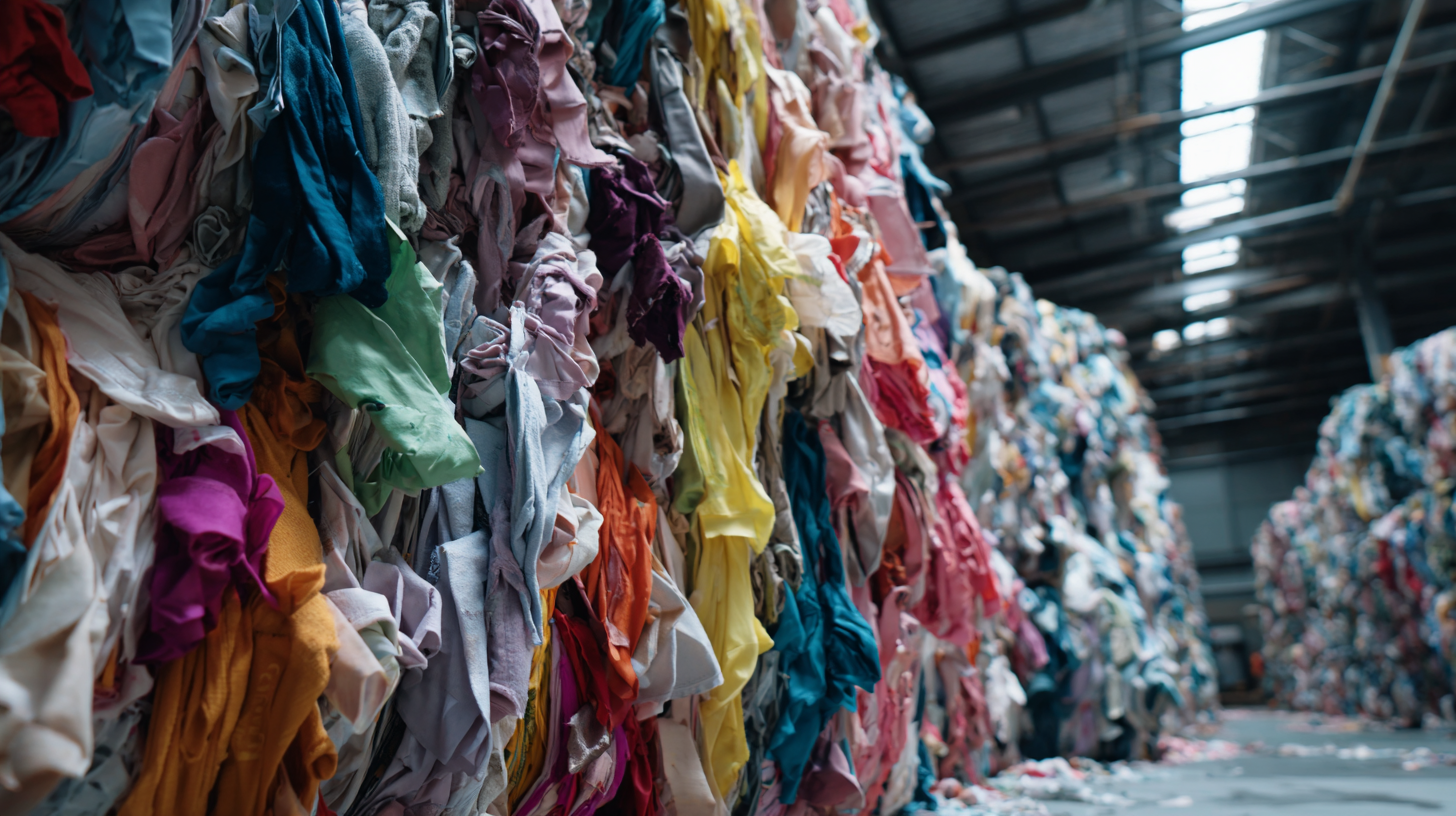
The appeal of recycled PET fabric lies in its dual benefit of offering stylish and functional clothing while contributing to a circular economy. Brands are responding to this demand by innovating their design processes to incorporate sustainable materials, ensuring that recycled fabrics meet both aesthetic and performance standards. Consequently, more consumers are finding themselves drawn to brands that champion eco-friendly initiatives, rewarding them with loyalty. Thus, the integration of recycled materials into fashion is not only a response to consumer preferences but also a catalyst for profound industry transformation, driving the movement towards a more sustainable future in fashion.
Innovative Technologies Advancing Recycled PET Fabric Production Methods
The fashion industry is undergoing a significant transformation, particularly with the adoption of recycled PET fabric, which is reshaping sustainability efforts. Innovative technologies have emerged to enhance the production methods for recycled PET, making them more efficient and environmentally friendly. According to a report by the Fashion Institute of Technology, the recycling process has evolved to optimize the collection and processing of plastic waste, reducing energy consumption by up to 60% compared to traditional fabric manufacturing.
Advanced technologies such as chemical recycling are becoming increasingly prominent in the industry. Unlike mechanical recycling, which often lowers the quality of the material, chemical recycling can convert PET plastic back into its original monomers. This method allows for the creation of high-quality fabrics, as noted in a study by Textile Exchange, which estimates that the global demand for recycled polyester could potentially reach 20 million metric tons by 2030. Additionally, automation in sorting and processing plastic waste significantly increases the efficiency of recycling operations, making it easier to obtain clean and usable materials for fabric production.
These advancements not only enhance the sustainability of fashion but also help mitigate the detrimental impact of waste on the environment. By focusing on innovative production methods for recycled PET fabric, the industry can move toward more responsible practices, ensuring that the transformation from waste to wearable materials is both effective and sustainable.