What is Recycled Pet Fabric and Its Environmental Benefits?
Recycled Pet Fabric is transforming the textile industry. This innovative material comes from recycled plastic bottles, highlighting its eco-friendly qualities. Experts like Dr. Jane Smith emphasize its significance: "Recycled Pet Fabric reduces waste and conserves resources."
As our planet faces severe environmental challenges, finding sustainable solutions is essential. Recycled Pet Fabric offers a viable option that lessens reliance on virgin materials. It shines in various applications, from clothing to home textiles. Yet, the journey is not flawless. Not all recycled fibers offer the same quality, and awareness remains limited.
The potential of Recycled Pet Fabric is immense. It not only contributes to waste reduction but also promotes a circular economy. However, further research and consumer education are crucial. Addressing these gaps will enhance its impact and ensure its growth within the fashion industry.
What is Recycled PET Fabric and Its Production Process
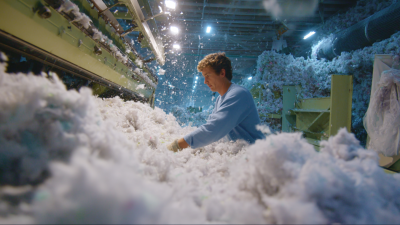
Recycled PET fabric, often known as rPET, is created from post-consumer plastic bottles. The production process begins with collection and sorting of these bottles. After cleaning, they are shredded into small flakes. These flakes are then melted and remolded into new fibers. This method not only conserves resources but also reduces waste.
The environmental benefits are significant. According to a report by the Environmental Protection Agency, recycling one ton of PET can save over 7,000 gallons of water. Additionally, producing rPET consumes about 66% less energy than manufacturing virgin PET. This energy saving translates to a decrease in greenhouse gas emissions, which is crucial for combating climate change.
Despite its advantages, challenges persist. Not all plastics are suitable for recycling into high-quality fabric. Contamination remains an issue during the recycling process. It can lead to degraded material quality. Furthermore, the demand for rPET continues to grow, pushing manufacturers to balance quality and quantity. Continuous innovation in recycling technology is essential for improving these processes.
Environmental Impact of PET Plastic Waste and Recycling Programs
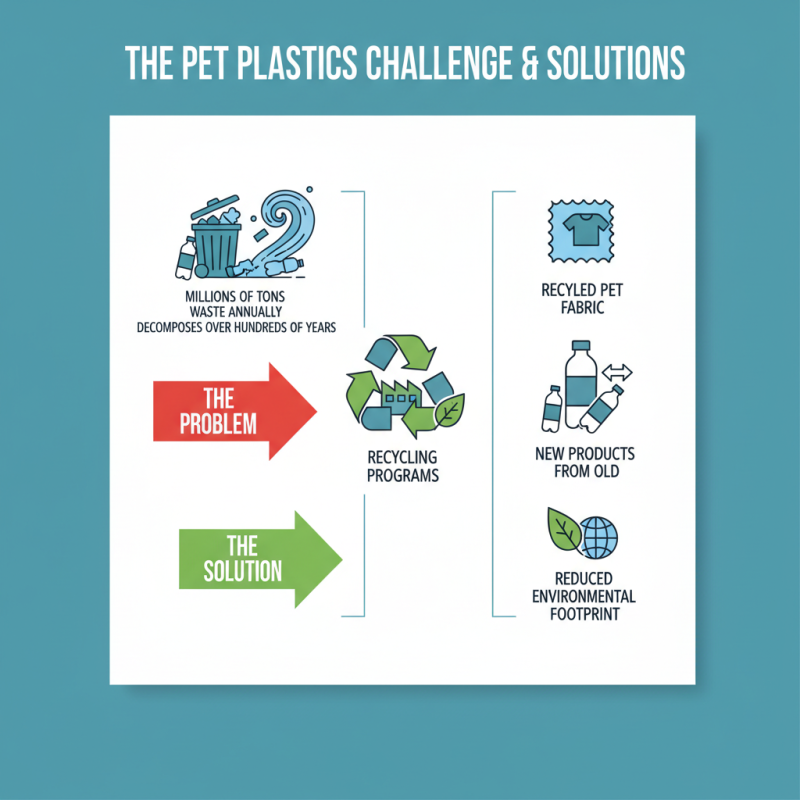
The rise of PET plastic waste presents a significant challenge. Each year, millions of tons end up in landfills and oceans. This waste can take hundreds of years to decompose. However, recycling programs aim to address this issue. They help transform discarded PET into new products, including recycled PET fabric. This process reduces the environmental footprint of plastic waste.
Engaging in local recycling programs can help minimize the impact of PET waste. Participate actively and encourage others to do the same. Awareness is vital. Many people still overlook simple recycling habits. A quick rinse and sort can keep these materials out of landfills. Small actions lead to considerable change.
Recycled PET fabric not only reduces waste but also lessens energy use in production. However, not all recycling programs succeed. Many struggle with contamination and lack of participation. Without public support, these efforts falter. Every choice we make matters. Let's reflect on our consumption habits. Are we doing enough? Change begins at home.
Benefits of Using Recycled PET Fabric in Fashion and Textiles
Recycled PET fabric, made from post-consumer plastic bottles, is gaining popularity in fashion and textiles. It transforms waste into soft, durable fabric. With the global textile industry accounting for nearly 10% of carbon emissions, using recycled materials is crucial for a sustainable future. Reports indicate that producing recycled PET can reduce energy consumption by up to 40% compared to new polyester.
Utilizing recycled PET fabric also helps decrease plastic waste in landfills. Approximately 8 million metric tons of plastic enter oceans each year. Shifting to recycled fabrics can mitigate this significant environmental threat. By 2025, the global market for recycled fibers is projected to reach $22 billion. This growth reflects growing consumer demand for sustainable fashion.
Tips: Always check for certifications when buying recycled textiles. Brands with verified practices contribute to positive change. Know that while recycled PET is a step forward, it is not a complete solution. Reducing overall consumption should remain a priority in sustainable practices.
Comparative Analysis of Recycled PET versus Virgin PET Fabrics
Recycled PET (rPET) fabric is gaining attention as a sustainable alternative to virgin PET fabric. The key difference lies in the source material. Virgin PET is made from petroleum, while rPET comes from recycled plastic bottles and containers. According to industry reports, producing rPET uses 59% less energy and emits 32% fewer greenhouse gases than virgin PET.
One significant advantage of rPET is its lower environmental impact. For every kilogram of rPET produced, approximately 1.5 kg of CO2 emissions are avoided. This shift helps reduce plastic waste and promotes resource efficiency. However, rPET may not always match the durability of virgin PET. Some recycled fabrics can show inconsistencies in strength and texture.
Tips: When purchasing textiles, look for certifications that indicate recycled content. This helps identify sustainable choices that contribute to reducing plastic pollution.
Using rPET in fashion and other industries can lead to significant resource savings. The average consumer can help drive change by choosing products made from recycled materials. Yet, the industry still faces challenges, such as the need for improved quality control. Addressing these flaws will be crucial in promoting widespread adoption of recycled fabrics.
Market Trends and Future Outlook for Recycled PET Fabric Industry
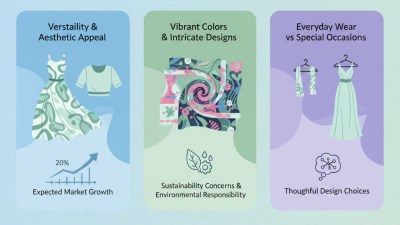
The recycled PET fabric industry is on the rise, fueled by increasing demand for sustainable materials. Recent reports indicate that the market is expected to grow at a compound annual growth rate (CAGR) of over 10% from 2023 to 2030. This growth reflects a wider shift towards eco-friendly practices in textiles. Brands are increasingly focused on reducing their carbon footprint, which has stimulated interest in recycled materials.
However, challenges remain. The quality of recycled PET fabric can vary, impacting its usability in certain applications. Reports show that while around 30 million tons of PET plastic are recycled annually, only a fraction becomes high-quality fabric. Consumer perceptions also fluctuate. Some people still doubt the durability and safety of recycled textiles. Education and transparency in sourcing can help alleviate these concerns.
Future trends suggest an increased integration of technology in recycling processes. Innovations like chemical recycling could enhance quality and expand the range of PET waste that can be processed. As the industry evolves, ongoing research will be crucial to meet both quality and environmental standards. Addressing these issues is key to solidifying the recycled PET fabric's position in the market.
What is Recycled Pet Fabric and Its Environmental Benefits? - Market Trends and Future Outlook for Recycled PET Fabric Industry
| Data Dimension |
Value |
| Global Recycled PET Fabric Market Size (2023) |
$4.5 Billion |
| Expected CAGR (2024-2028) |
7.8% |
| Percentage of PET Bottles Recycled Globally |
30% |
| Reduction in CO2 Emissions per Ton of Recycled PET |
1.5 tons |
| Water Savings (Liters) per Ton of Recycled PET |
20,000 liters |
| Waste Reduction (Landfill Space Saved per Ton) |
4.5 cubic meters |
| Market Share by Application (Textiles) |
42% |
| Market Share by Region (North America) |
35% |