How to Use Recycled Canvas Fabric for Sustainable Fashion?
The rise of sustainable fashion has led to innovative materials, such as Recycled Canvas Fabric. According to a report by the Sustainable Apparel Coalition, using recycled materials can cut environmental impact by up to 30%. This fabric repurposes used textiles, minimizing waste and conserving resources.
Expert in sustainable textiles, Dr. Emily Chen, states, “Recycled Canvas Fabric is a game changer for eco-conscious brands.” By transitioning to this material, fashion companies can create stylish products while reducing their carbon footprint. Designers and consumers alike are realizing the importance of sustainable choices.
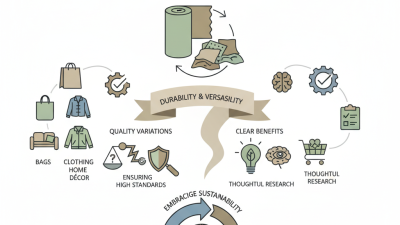
However, challenges remain. The quality of recycled materials can vary, leading to potential inconsistencies in production. Additionally, consumer awareness about the benefits of Recycled Canvas Fabric is still growing. Fashion brands must prioritize education to encourage more sustainable buying habits. Embracing this change requires a collective effort and resolve.
Understanding Recycled Canvas Fabric in Sustainable Fashion
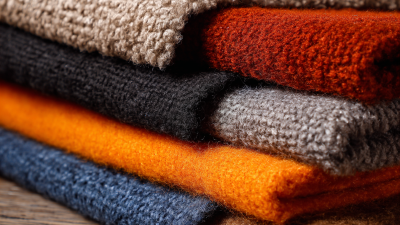
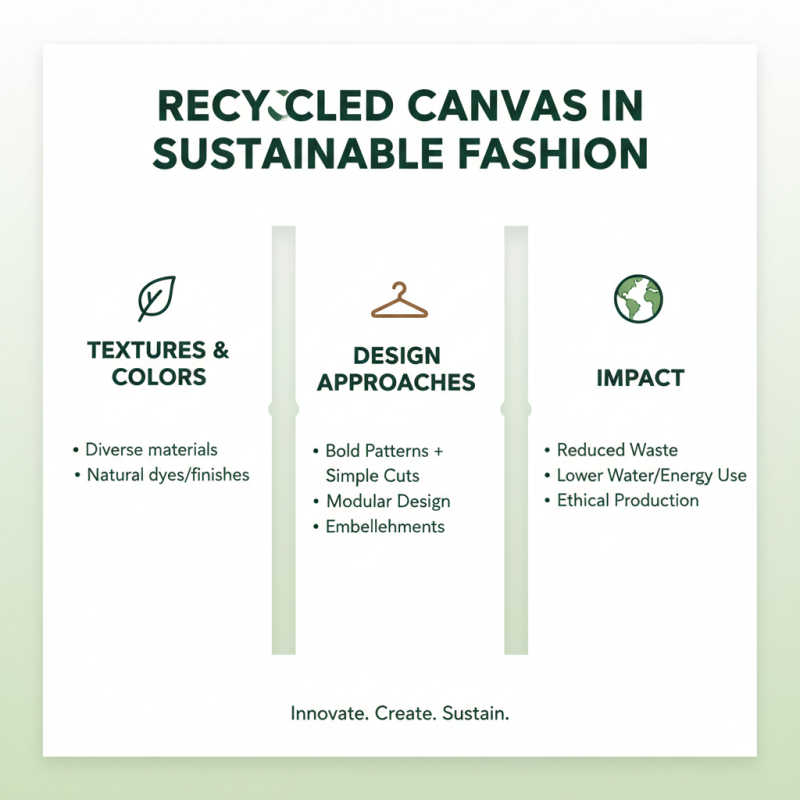
Recycled canvas fabric plays a crucial role in sustainable fashion. It starts with repurposing waste materials, like old clothes and industrial scraps. This fabric reduces the need for new resources. Its production demands less water and energy. Yet, the process is not flawless. Quality can vary among different sources, impacting the final product.
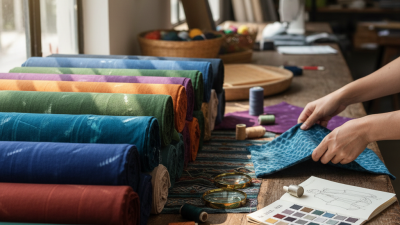
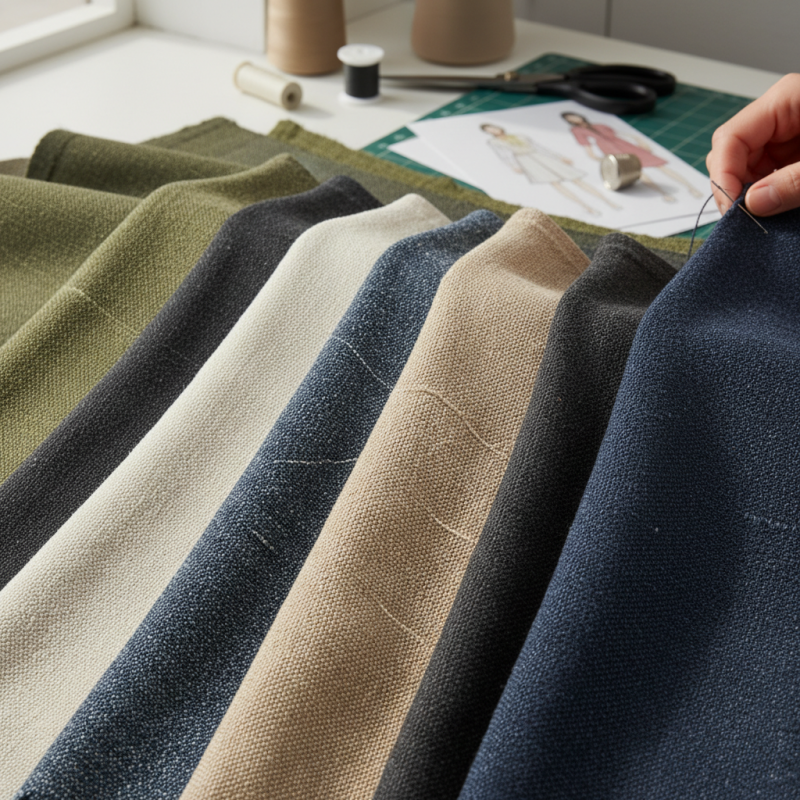
When using recycled canvas, designers face challenges. Sourcing consistent materials is key. Sometimes, the colors or textures differ from expectations. Such inconsistencies push designers to innovate. They might blend fabrics or experiment with dyeing techniques. This journey often requires trial and error, but that’s part of the creative process.
Environmentally, recycled canvas reduces landfill waste. However, it’s essential to consider the entire lifecycle. How long will the fabric last? Will it be recyclable again? Conscious choices shape the future of sustainable fashion. This fabric invites us to rethink our consumption patterns. Each stitch represents a step toward a more responsible wardrobe.
Environmental Impact of Textile Waste and the Need for Recycled Materials
Textile waste is a growing issue. Millions of tons of fabric end up in landfills each year. This waste has severe environmental impacts. It contributes to pollution and resource depletion. The fashion industry is one of the main culprits. To fight this, using recycled materials is essential.
Recycled canvas fabric offers a sustainable solution. It significantly reduces waste. By turning old textiles into new fabric, we help the planet. The process conserves resources and cuts down on emissions. It is a practical choice for eco-conscious designers. However, sourcing quality recycled fabric can be challenging. Some materials may not meet performance standards. This requires careful selection and creative problem-solving.
Tips: Look for local suppliers of recycled canvas. Visit textile recycling programs in your area. Make small batches first to test durability. Embrace imperfections in recycled fabric; they tell a unique story. Remember, every step counts in making fashion more sustainable. It may not be perfect, but it’s a move toward a better future.
Manufacturing Process of Recycled Canvas: From Waste to Wearable
Recycled canvas fabric is a remarkable material for sustainable fashion. To make it, manufacturers start with post-consumer waste. Old textiles, particularly cotton, are collected and sorted. This process reduces waste in landfills and conserves resources. The collected materials go through cleaning and shredding. They are then turned into fibers for new fabric production.
After acquiring the fibers, a recycling process kicks in. The fibers are spun into yarn, a crucial step. It requires careful handling to ensure quality. Once spun, the yarn is woven or knitted into canvas fabric. Coloring often uses eco-friendly dyes. This ensures minimal environmental impact while maximizing creativity.
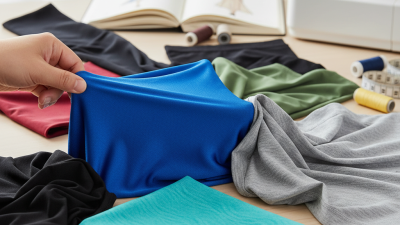
Here are some tips for designers using recycled canvas. Choose vibrant colors that complement the fabric's texture. Work with local tailors to minimize transportation emissions. Test a small batch first to refine techniques. Embrace imperfections; each piece tells a story. Don't fear experimenting with different patterns and styles. The beauty of recycled canvas lies in its uniqueness.
How to Use Recycled Canvas Fabric for Sustainable Fashion?
| Process Step |
Description |
Environmental Impact |
Sustainability Benefits |
| Collection |
Gathering waste canvas materials from various sources, including discarded fabric and manufacturing scraps. |
Reduces landfill waste and conserves resources by repurposing existing materials. |
Supports circular economy by giving new life to unused materials. |
| Cleaning |
Cleaning and sanitizing the collected canvas to remove contaminants. |
Minimizes water pollution by ensuring that harmful substances are removed. |
Enhances fabric quality, making it safer for production. |
| Processing |
Shredding and recycling the cleaned canvas into fibers or new materials. |
Reduces the need for virgin material production, lowering carbon footprint. |
Promotes resource efficiency and reduces energy consumption in material production. |
| Manufacturing |
Turning recycled canvas into wearable products such as bags, clothing, and accessories. |
Minimizes waste generated by the fashion industry by utilizing pre-existing materials. |
Encourages eco-friendly fashion choices that reduce environmental harm. |
| Distribution |
Delivering finished products to consumers through sustainable logistics practices. |
Decreases transportation emissions by optimizing routes and using eco-friendly vehicles. |
Creates awareness about sustainable fashion and promotes responsible consumer behavior. |
Market Trends: The Rise of Sustainable Fashion and Consumer Demand
The sustainable fashion industry is booming. According to recent reports, the market is projected to reach
$8.25 billion by 2025. Consumers are shifting their preferences. They want
transparency in sourcing and production processes. This growing concern reflects in their purchasing choices. A staggering
66% of global consumers are willing to pay more for sustainable products.
Recycled canvas fabric is gaining traction in this trend. It offers an eco-friendly alternative to conventional materials.
This fabric is durable and versatile, making it ideal for various fashion items. However, not all recycled materials are equal.
Some processes can leave behind harmful residues. Brands must ensure their supply chains prioritize safety and sustainability.
The demand for sustainable options impacts production. More brands are exploring recycled textiles. This shift may lead to a reduction in waste.
Yet, the journey isn't without challenges. Many manufacturers struggle to find reliable sources of high-quality recycled materials. There’s still a long way to go
before the industry reaches true sustainability.