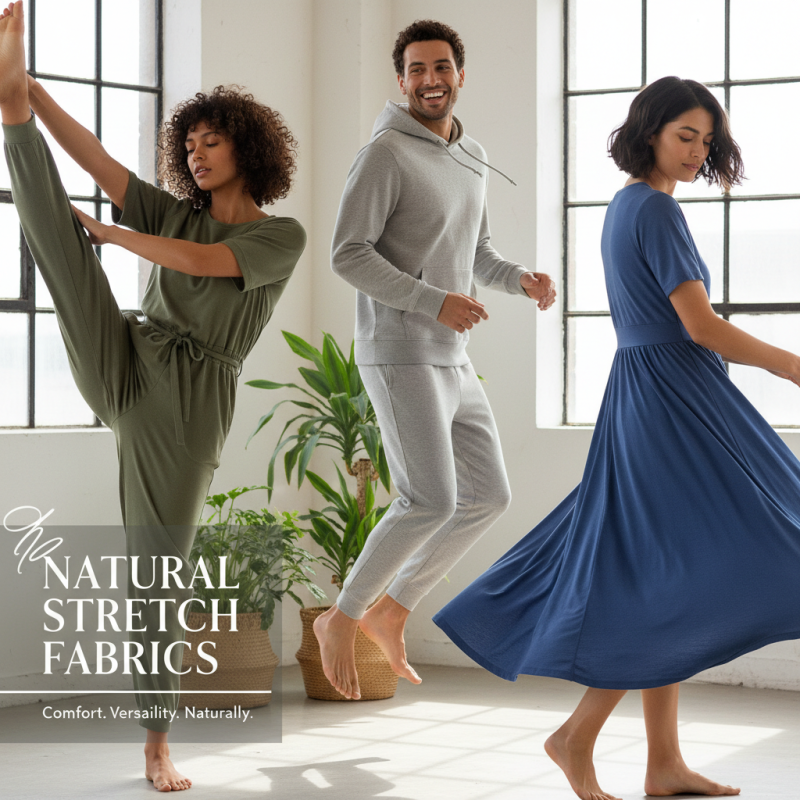
Why Choose Natural Stretch Fabric for Comfort and Versatility in Clothing
In the ever-evolving world of fashion, comfort and versatility remain paramount considerations for consumers. As people seek clothing that not only enhances their style but also accommodates their lifestyle, natural stretch fabric emerges as a leading choice. With its unique properties, this material offers a perfect blend of flexibility and breathability, ensuring that garments fit beautifully and move effortlessly with the body.
Natural stretch fabric, derived from sustainable fibers, provides an eco-friendly alternative to synthetic options, allowing wearers to feel good both in terms of comfort and environmental impact. The softness and elasticity of this fabric create a second-skin feel, making it ideal for a variety of activities, from casual outings to more active endeavors. As we delve deeper into the benefits of natural stretch fabric, we will explore why it is becoming increasingly favored for those seeking clothing that does not compromise on comfort or style. With its adaptability and support, this fabric paves the way for a wardrobe that embraces both functionality and fashion.
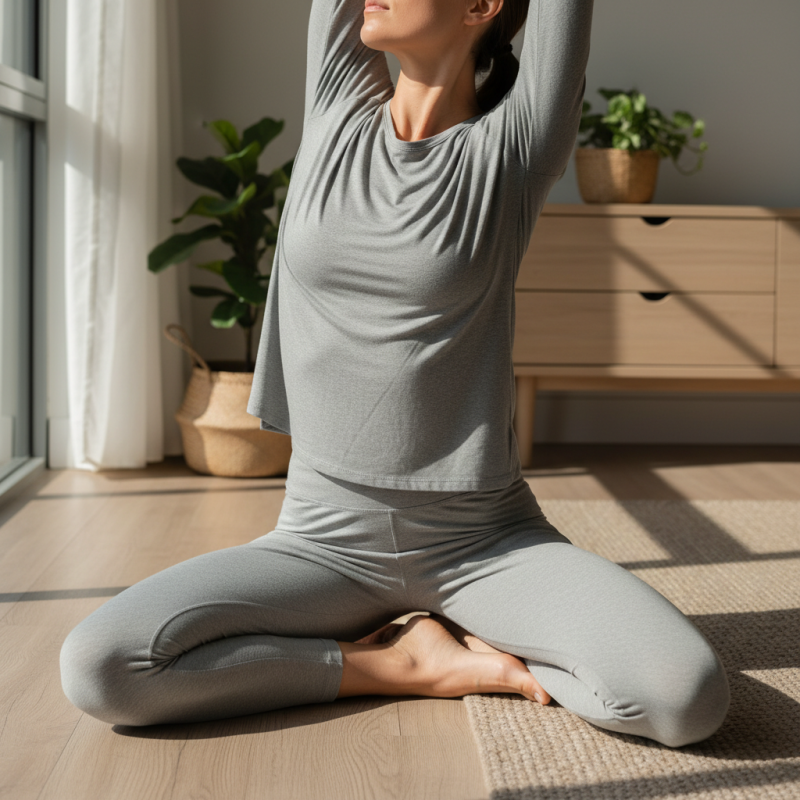
Understanding Natural Stretch Fabric and Its Composition
Natural stretch fabric has gained popularity in the clothing industry due to its unique composition and ability to provide comfort and versatility. This type of fabric is often made from natural fibers such as cotton, bamboo, and modal, which are combined with elastane or spandex to enhance elasticity. According to a recent industry report by the Textile Research Journal, garments made from natural stretch fabric can offer up to 30% more flexibility compared to conventional fabrics, making them ideal for both casual wear and active lifestyles.
The eco-friendly aspect of natural stretch fabric is another compelling reason for its selection in contemporary apparel design. Natural fibers are biodegradable and renewable, contributing to a reduced environmental footprint compared to synthetic alternatives. A survey conducted by The Environmental Protection Agency indicates that clothing made from natural fibers has a lower impact on global warming potential, supporting the increasing consumer demand for sustainable fashion options. This dual emphasis on comfort and sustainability positions natural stretch fabric as a key player in the future of the apparel industry, catering to the preferences of environmentally conscious consumers.
Benefits of Natural Stretch Fabric for Comfort in Clothing
Natural stretch fabric has emerged as a favored choice for those seeking ultimate comfort and versatility in clothing. One of the key benefits of this fabric is its remarkable elasticity, which can accommodate a wide range of body movements. According to a report by the Textile Intelligence in 2022, natural stretch fabrics can enhance wearers' comfort levels by up to 30% compared to conventional materials. This is particularly crucial for individuals engaged in active lifestyles, as the flexibility allows for unrestricted motion while maintaining a polished appearance.
In addition to physical comfort, natural stretch fabric is also breathable and moisture-wicking, ensuring that wearers remain dry and comfortable throughout the day. A study by the American Fabric Research Institute highlighted that fabrics made from natural fibers, such as cotton and linen, offer superior breathability, reducing the risk of overheating. This combination of breathability and stretch makes these fabrics ideal for both casual wear and professional attire, allowing for easy transitions between different settings.
Tips: When choosing clothing made from natural stretch fabric, look for items with a blend of fibers that enhance elasticity without compromising breathability. Additionally, consider garments with flat seams to prevent irritation during extended wear. Lastly, maintain them properly; natural stretch fabrics often benefit from gentle washing methods to preserve their elasticity and form.
Versatility of Natural Stretch Fabric in Different Fashion Styles
Natural stretch fabrics have gained immense popularity in the fashion industry due to their remarkable versatility and comfort. Derived from materials such as cotton, bamboo, and linen, these fabrics possess an inherent elasticity that allows them to adapt to various body shapes and movements. According to a recent report by the Global Textile Industry Association, the demand for stretchable natural fabrics has surged by 25% in the past three years, predominantly driven by consumer preference for comfort in everyday wear.
In different fashion styles, natural stretch fabrics play a crucial role. For casual wear, such as leggings and activewear, these materials provide optimal breathability and flexibility, making them ideal for a range of activities from yoga to lounging. In more formal settings, such as tailored suits or dresses, natural stretch fabrics offer a refined look while ensuring freedom of movement. As highlighted in a study published by the Fashion Institute of Technology, garments made from natural stretch fabrics often outperform their synthetic counterparts in terms of wearability and durability, making them a practical choice for versatile styles across the wardrobe spectrum.
Moreover, as sustainability becomes a key consideration in the fashion industry, natural stretch fabrics align well with eco-friendly practices. A survey conducted by the Sustainable Apparel Coalition reported that 68% of consumers are willing to invest in clothing made from sustainable materials, a trend that showcases the appeal of natural stretch fabrics not just for their comfort and versatility, but also for their environmental benefits. This growing inclination towards eco-conscious choices emphasizes the importance of integrating natural stretch fabrics into diverse fashion lines.
Sustainability and Environmental Impact of Natural Stretch Fabrics
Natural stretch fabrics have gained significant attention in the fashion industry, not only for their comfort and versatility but also for their sustainability. According to a report published by the Textile Exchange, the global market for sustainable textiles is projected to reach $72 billion by 2030, highlighting a growing consumer preference for eco-friendly materials. Natural stretch fabrics, such as those made from organic cotton, linen, and hemp, are biodegradable and consume less energy and water in their production compared to synthetic alternatives. This shift is part of a larger trend towards environmental responsibility in clothing manufacturing.
Moreover, a study conducted by the Environmental Protection Agency reveals that the fashion industry is one of the leading sources of pollution, with textile production responsible for approximately 20% of global wastewater. By choosing natural stretch fabrics, brands can significantly mitigate their environmental impact. These materials often have a lower carbon footprint due to more sustainable farming practices and fewer chemical treatments. As consumers increasingly prioritize eco-conscious options, companies using natural stretch fabrics can not only cater to this demand but also contribute positively to the planet’s health. The shift towards these sustainable materials is not just a trend; it signifies a necessary evolution in the way we approach clothing production for a more sustainable future.
Why Choose Natural Stretch Fabric for Comfort and Versatility in Clothing - Sustainability and Environmental Impact of Natural Stretch Fabrics
| Dimension |
Natural Stretch Fabric |
Synthetic Stretch Fabric |
| Comfort Level |
High |
Moderate |
| Breathability |
Excellent |
Low |
| Environmental Impact |
Lower |
Higher |
| Durability |
Good |
Excellent |
| Versatility |
High |
Moderate |
| Cost |
Moderate |
Lower |
Care Tips for Maintaining Natural Stretch Fabric Clothing
Natural stretch fabrics, such as
cotton and bamboo blends, offer remarkable comfort and versatility, making them ideal choices for various clothing styles. However, to enjoy their full benefits and maintain their quality over time, proper care is essential. These fabrics not only provide ease of movement but also adapt to the wearer's body, enhancing both style and comfort.
To keep your natural stretch fabric clothing looking great, it's important to wash them in cold water and use a gentle cycle. This helps prevent shrinkage and maintains the fabric’s elasticity. Avoid fabric softeners, as they can coat the fibers and reduce the stretchiness. Instead, consider using a mild detergent that is free from harsh chemicals, ensuring that the natural properties of the fabric are preserved.
When it comes to drying, air drying is the safest method for natural stretch fabrics. Lay the pieces flat on a clean surface or hang them to dry, avoiding direct sunlight to prevent fading. If you need to use a dryer, opt for a low heat setting. Finally, ironing should be done at a low temperature to avoid damaging the fibers, ensuring your clothing remains soft and comfortable while maintaining its shape.
Taking these simple steps will extend the life of your natural stretch fabric garments, keeping you stylish and comfortable for longer.