What is Natural Elastic Fabric and Why is it Popular?
Natural Elastic Fabric has emerged as a significant player in the textile industry. Experts predict an annual growth rate of 7.5% in the natural fibers market by 2026. This remarkable figure highlights the increasing demand for eco-friendly materials. According to Dr. Sarah Mitchell, a leading expert in sustainable textiles, "Natural Elastic Fabric is transforming our approach to fashion and comfort."
This innovative fabric is not only versatile but also environmentally friendly. Many conscious consumers seek products that align with their values. Natural Elastic Fabric offers breathability and comfort, making it a preferred choice for activewear and casual clothing. Its unique properties provide stretch and recovery without sacrificing shape or durability.
However, the surge in popularity raises questions about sourcing and sustainability. As the demand grows, the need for responsible production becomes critical. Balancing consumer desires with ethical manufacturing remains a challenge for the industry. Exploring Natural Elastic Fabric's potential leads to new opportunities and necessary reflections on our consumption patterns.
Definition of Natural Elastic Fabric: Characteristics and Composition
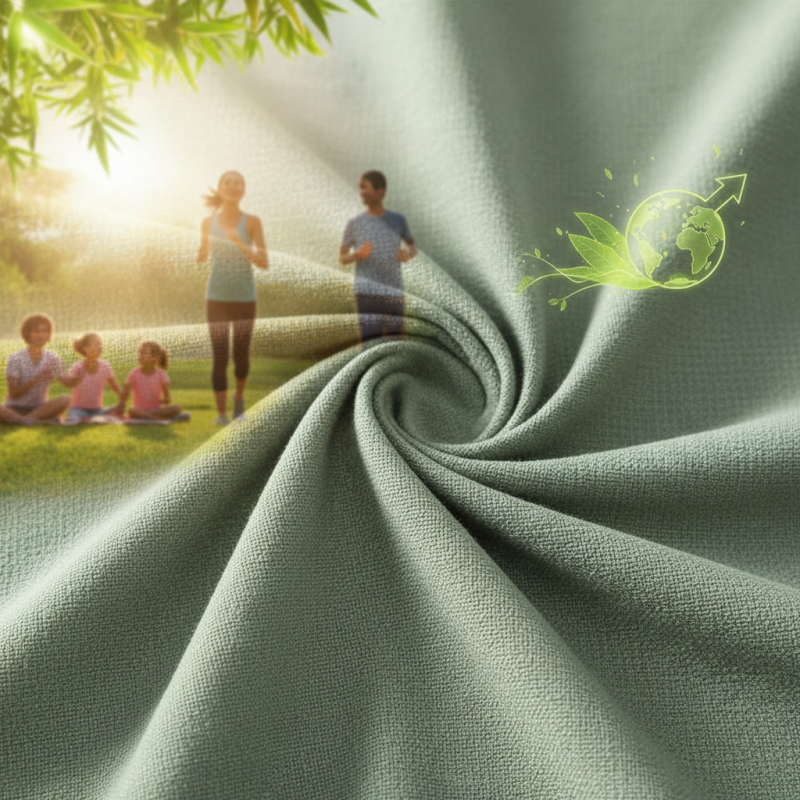
Natural elastic fabric is gaining popularity for various reasons. This fabric combines the softness of natural fibers with the flexibility of elastic materials. Many people appreciate this blend for its comfort and durability.
The characteristics of natural elastic fabric include breathability and moisture-wicking abilities. It's often made from organic cotton or bamboo combined with spandex or elastane. These materials allow the fabric to stretch while maintaining its shape. It's lightweight and gentle against the skin, making it suitable for activewear and everyday apparel.
Tips: When choosing natural elastic fabric, always check the composition. Look for a higher percentage of natural fibers for comfort. Additionally, consider the care instructions; some fabrics may require special washing methods. It's essential to reflect on your fabric choices, weighing both sustainability and performance. Finding the right balance might take some time and experimentation.
Natural Elastic Fabric Popularity Analysis
Key Types of Natural Elastic Fabrics and Their Applications
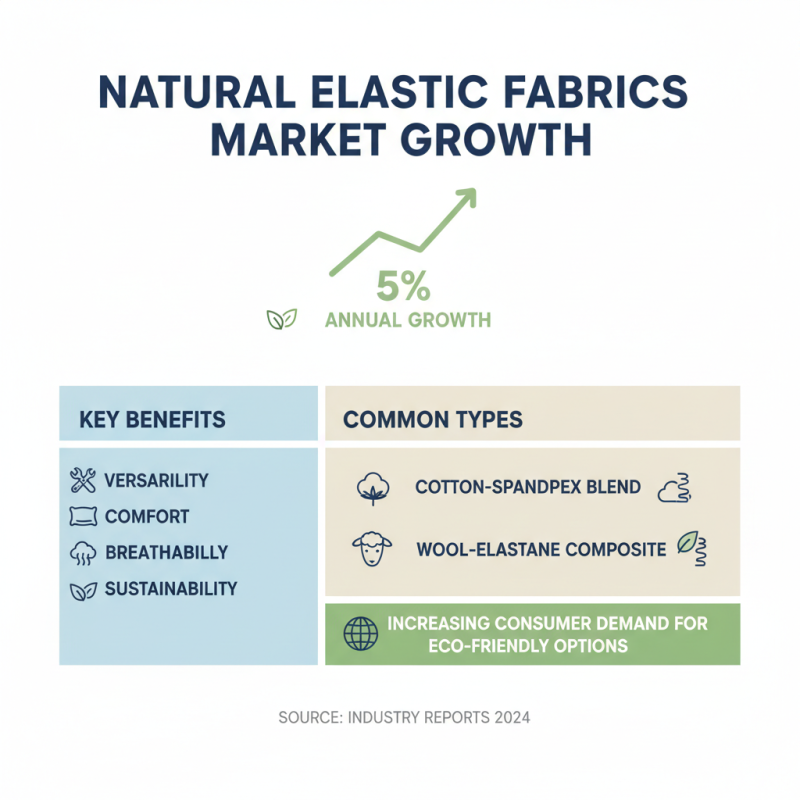
Natural elastic fabrics are gaining traction in various industries due to their versatility and comfort. These fabrics are made from natural fibers, often blended with elastic materials. Common types include cotton-spandex blends and wool-elastane composites. They provide excellent stretch while maintaining breathability. Reports indicate that the market for natural elastic fabrics is expected to grow by 5% annually, reflecting increasing consumer demand for sustainable options.
Cotton-spandex blends are widely used in activewear. This combination offers both comfort and flexibility, making it ideal for athletic activities. A study revealed that 70% of fitness enthusiasts prefer natural elastic apparel. Wool-elastane is another key player, popular in high-performance clothing. Its moisture-wicking properties and sturdiness are essential for outdoor gear. However, sourcing sustainable wool remains a challenge.
Despite their benefits, natural elastic fabrics are not without issues. Some consumers find them too delicate for everyday wear. There is also a concern regarding the environmental impact of elastic materials. Balancing comfort with sustainability continues to be an area for reflection. The industry needs to address these gaps to align with consumer values effectively.
Benefits of Natural Elastic Fabrics: Comfort, Sustainability, and Performance
Natural elastic fabrics are gaining popularity for good reasons. They offer exceptional comfort, making them ideal for various applications. According to a report from the Textile Federation, around 45% of consumers prioritize comfort when selecting fabrics. Natural elastic materials, like organic cotton and bamboo, provide a soft touch and superior breathability. This enhances the wearing experience, especially in active wear and loungewear.
Sustainability is another compelling factor. A study by the Eco-Friendly Apparel Association indicated that natural fibers have a lower environmental impact compared to synthetic options. They are biodegradable and often produced with less water and fewer chemicals. In fact, organic cotton requires 88% less water than conventional cotton. However, it’s important to consider that not all natural elastic fabrics are created equal. Some production processes can still be harmful. Improvements are needed to ensure all methods align with eco-friendly practices.
Performance also plays a crucial role. Natural elastic fabrics possess inherent stretch properties, enhancing movement. Research shows that these fabrics maintain their shape and resist fading better than synthetic options in many cases. Yet, durability can vary significantly between different types. Some natural fibers may not withstand rigorous use as well as their synthetic counterparts. Addressing these inconsistencies will be vital for the industry's future.
Market Trends: Popularity and Growth Statistics in the Textile Industry
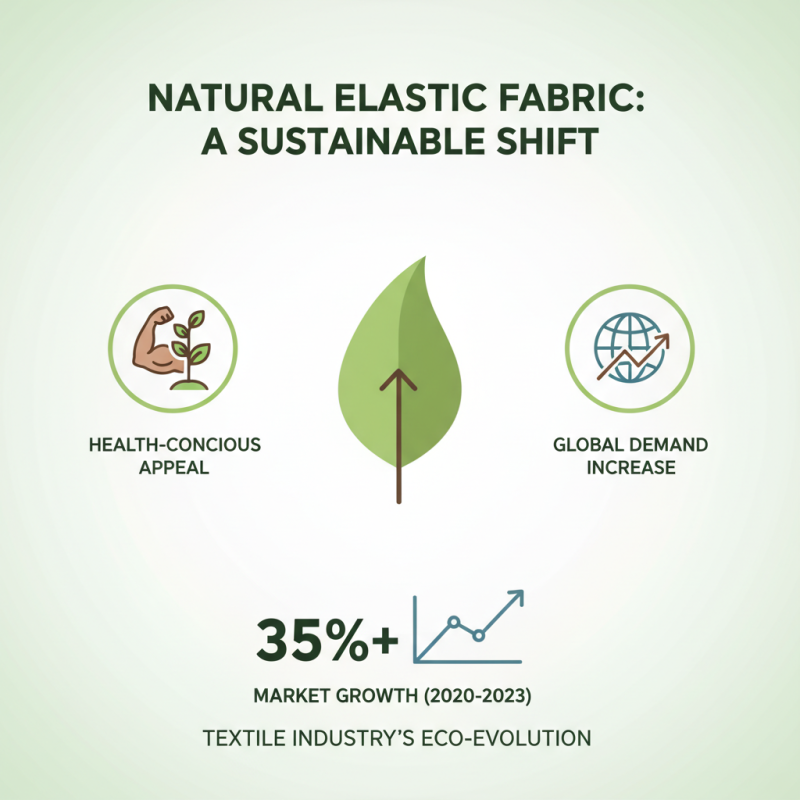
Natural elastic fabric is gaining traction in the textile market, reflecting a broader trend towards sustainability. This material blends eco-friendly fibers with elastic properties, appealing to a health-conscious audience. The global demand for such fabrics has seen a notable increase. Statistics indicate a significant growth rate, indicating the textile industry's shift.
In recent years, consumers are increasingly drawn to sustainable options. The rise in awareness about environmental impact drives this trend. Many prefer garments that offer comfort without sacrificing ecological responsibility. Shoppers are looking for quality over quantity.
Tips: When exploring options, check fabric compositions. Look for certifications that ensure sustainability. Don’t overlook comfort; trying on clothing is essential. An imperfect fit can lead to hesitation in purchase.
The blending of natural fibers with elastic properties can reduce the need for synthetic alternatives. This shift is essential for a greener future. While there are many options available, not all are created equal. Regularly researching new materials can lead to smarter choices. The market dynamics are evolving rapidly, and keeping informed is key.
Challenges and Innovations in the Production of Natural Elastic Fabrics
Natural elastic fabrics are gaining traction in the textile industry. However, producing these materials presents a significant challenge. Manufacturers often deal with varying levels of elasticity and durability. The quest for balance leads to extensive research and experimentation.
One major obstacle is sourcing raw materials. Many natural fibers, like cotton and bamboo, lack inherent stretch. To overcome this, producers blend fibers or use innovative techniques. For instance, blending cotton with elastane can enhance flexibility. While this combination has benefits, it also complicates the manufacturing process.
**Tips:** Choose natural elastic fabrics with a high percentage of organic fibers. This ensures better comfort and breathability. Besides, be mindful of the environmental impact of synthetic blends.
Sustainability is another concern in natural elastic fabric production. Finding eco-friendly dyes and treatments remains a challenge. As innovations arise, manufacturers must adapt to new methods. This evolution encourages a deeper reflection on fabric choices. Reducing waste during production is crucial. You may notice imperfections in dyed fabrics, sparking conversations about quality and sustainability.
What is Natural Elastic Fabric and Why is it Popular? - Challenges and Innovations in the Production of Natural Elastic Fabrics
| Fabric Type |
Natural Source |
Elastic Properties |
Environmental Impact |
Challenges |
Innovations |
| Cotton Spandex |
Cotton Plant |
Moderate elasticity and comfort |
Biodegradable, less harmful chemicals |
Blending difficulty, moisture retention |
New dyeing methods, sustainable practices |
| Bamboo Fabric |
Bamboo Plant |
High elasticity, soft texture |
Sustainable growth, biodegradable |
Production complexity, chemical usage |
Enzymatic processing, eco-friendly fabrics |
| Hemp Stretch Fabric |
Hemp Plant |
Good elasticity, durability |
Low water usage, sustainable |
Limited availability, stiffness |
Blending with other fibers, softening processes |
| Silk-Latex Blend |
Silk Worms, Natural Latex |
Excellent stretch and recovery |
Renewable, biodegradable |
Cost, ethical sourcing |
Synthetic latex alternatives, ethical farming |