What is the Most Stretchable Fabric for Ultimate Comfort and Flexibility?
The search for the "Most Stretchable Fabric" has become increasingly relevant in today's fashion and textile industries. Consumers demand comfort, flexibility, and durability in their clothing. According to a recent report by Textile World, the global market for stretchable fabrics is expected to grow by 5% annually over the next five years. This growth reflects a strong desire for materials that can adapt to various movements seamlessly.
Dr. Emily Harrison, a leading expert in textile innovation, emphasizes, “The most stretchable fabric is not just about elasticity; it's about the balance of comfort and performance.” This statement underscores the complexity behind fabric selection. It's not merely about how far a material stretches but also how it feels against the skin, and longevity in use.
However, the industry faces challenges. Some high-stretch fabrics may lead to pilling or loss of shape over time. Many consumers are unaware of these trade-offs. They expect perfection, yet understanding how different fabrics behave is essential. The quest for the ultimate stretchable fabric remains a balancing act between comfort, durability, and price.
Understanding Stretchable Fabrics: Key Characteristics and Benefits
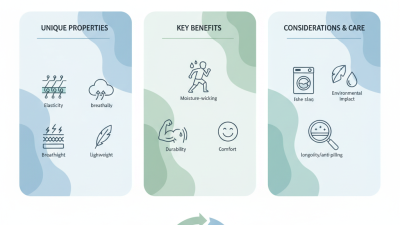
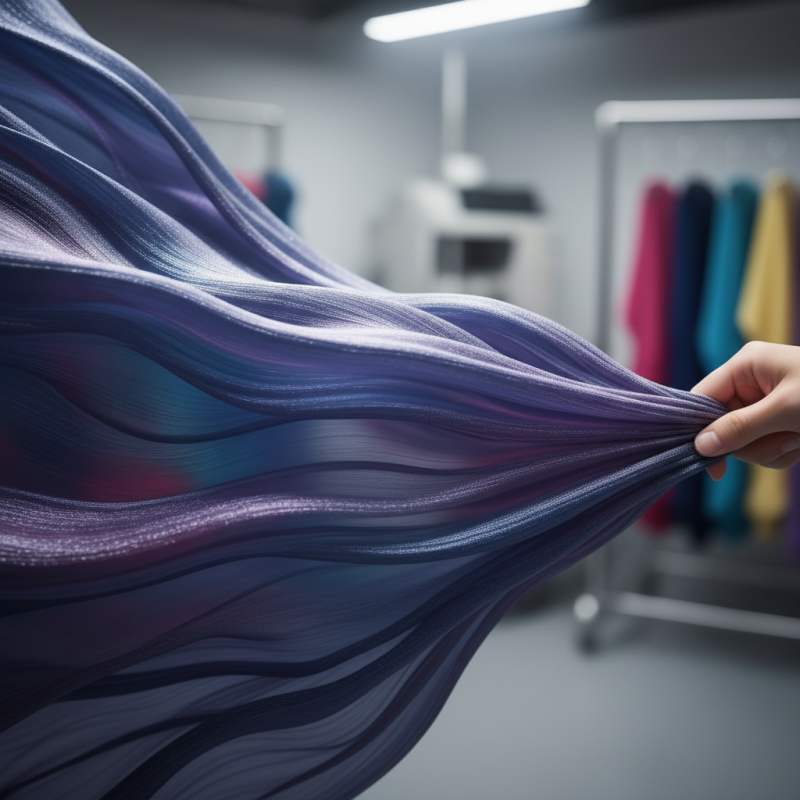
Stretchable fabrics are becoming increasingly popular in fashion and activewear. Their primary appeal lies in comfort and flexibility. Key characteristics include elasticity, breathability, and moisture-wicking properties. Studies show that 70% of consumers prefer materials that adapt to their movements. This trend highlights the need for textiles that provide both function and style.
Cotton blends and spandex are commonly used to enhance stretch. Cotton offers breathability while spandex adds elasticity. This combination allows garments to mold to the body without losing shape. However, it's essential to consider durability. Some stretchy fabrics may wear out quickly under frequent use. Look for blends that maintain their structure over time.
Tips: When choosing stretchable fabrics, prioritize your activities. Fabrics made for sports may not look as stylish. Take care of your garments by washing them gently. Stretchy materials often fade or lose elasticity with harsh detergents. It's crucial to find the right balance between comfort and longevity to optimize your wardrobe.
What is the Most Stretchable Fabric for Ultimate Comfort and Flexibility?
| Fabric Type |
Stretch Percentage |
Key Characteristics |
Common Uses |
Benefits |
| Spandex |
20-30% |
Exceptional elasticity, soft feel |
Athletic wear, swimwear |
High flexibility and shape retention |
| Nylon |
15-25% |
Durable, lightweight, resistant to abrasion |
Outdoor gear, activewear |
Strong and comfortable for movement |
| Polyester |
10-20% |
Moisture-wicking, quick-drying |
Casual wear, sportswear |
Breathable and easy care |
| Bamboo Fabric |
10-15% |
Soft, antibacterial properties |
Eco-friendly apparel, loungewear |
Comfortable and sustainable choice |
| Lycra |
20-40% |
High stretch recovery, lightweight |
Fashion, sports, and swimwear |
Ultimate comfort and fit |
Common Types of Stretchable Fabrics and Their Uses
Stretchable fabrics have gained popularity for their comfort and flexibility. Several types are used across various industries. Spandex, known for its incredible elasticity, allows garments to stretch up to five times their original size. According to the Textile Research Journal, spandex blends are often utilized in activewear, offering support without sacrificing movement.
Another notable type is jersey knit fabric. It is soft and has natural stretch properties. This fabric is commonly used for t-shirts and casual wear. Reports suggest that jersey knit can stretch in both horizontal and vertical directions, making it suitable for form-fitting clothing. Users often appreciate its breathable nature during warmer months.
They say there is always room for improvement. Not every stretchable fabric behaves the same. Some stretch too much, causing garments to lose shape. Durability can also be an issue. It’s essential to consider factors like fabric weight and composition. Understanding the trade-offs between comfort and resilience can lead to better choices.
Stretchable Fabrics Comparison for Comfort and Flexibility
Comparative Analysis of Stretchability in Popular Fabrics
When exploring the most stretchable fabrics, two primary contenders emerge: spandex and nylon blends. Recent studies show that spandex can stretch up to five times its original length. This unique capability gives spandex a major advantage in athletic apparel. Flexibility is paramount for workout clothes, allowing for a full range of motion.
Nylon blends are also impressive, with stretchability reaching 300%. However, their feel and breathability may not match spandex's. In a recent fabric analysis report, researchers highlighted that while nylon offers durability, it might lack the softness that many consumers desire. Comfort is often subjective, leading to mixed preferences among users.
Another interesting insight from industry studies is the variance in performance depending on the fabric's weight. Lighter fabrics typically provide more stretch. Yet, they may compromise durability. It's crucial to assess which characteristics matter most. Does stretch outweigh softness for you? Or is it the durability that wins? Preferences can change based on personal experiences, making the quest for the ultimate fabric a bit of a moving target.
Evaluating Comfort and Flexibility in Stretchable Materials
When evaluating comfort in stretchable fabrics, we should consider several key factors. The material's texture plays an essential role. Soft fibers against the skin feel pleasant, but can sometimes lack durability. A fabric might stretch well but can cause chafing after extended wear. This contradiction highlights the need for careful selection.
Flexibility is another crucial aspect. Some fabrics provide freedom of movement but may lose their shape over time. A loose fit can enhance comfort, yet it can also lead to a lack of support. Finding a balance between snugness and flexibility can be challenging. Heavyweight materials offer support but can restrict movement.
Breathability should not be overlooked. Breathable fabrics enhance comfort in warm conditions. However, thicker materials, while warm, may retain moisture. This could lead to discomfort during active use. It's essential to reflect on the specific requirements and potential drawbacks of each fabric type. The quest for ultimate comfort and flexibility in stretchable materials is complex, requiring ongoing exploration and thoughtful choices.
Future Innovations in Stretchable Fabrics for Enhanced Performance
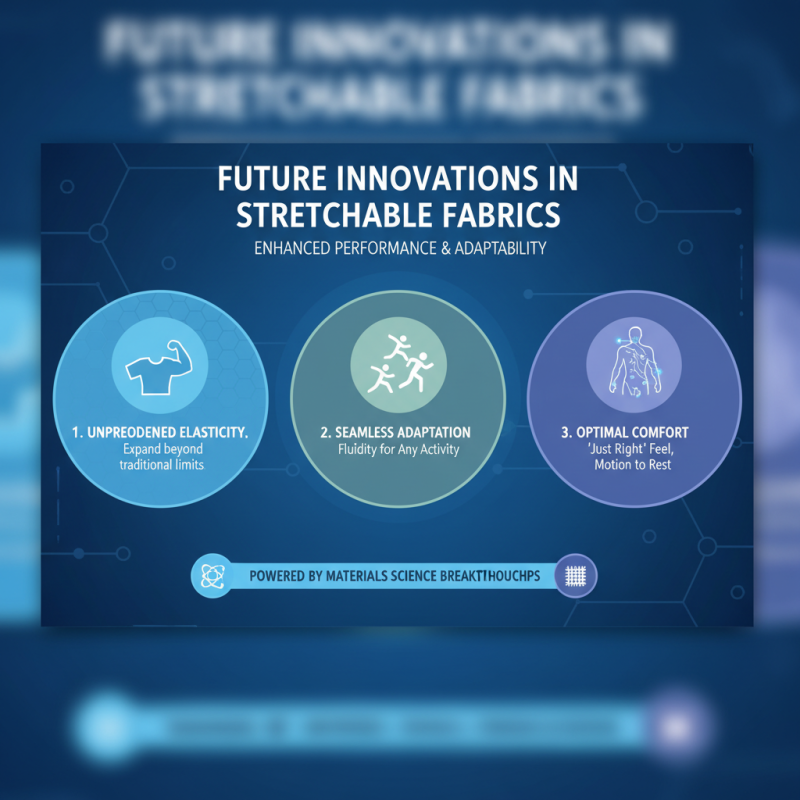
The world of stretchable fabrics is evolving. Innovations in materials science are pushing boundaries. Scientists are developing fabrics that can expand more than ever before. This means clothing can adapt to various activities and body movements seamlessly. Imagine wearing a garment that feels just right, whether you’re lounging or in motion.
Future innovations may focus on integrating smart technology. Fabrics could track your movement and adjust tension automatically. This is not just about comfort; it’s about performance. Athletes might benefit from enhanced support during competition. Moreover, these advancements could lead to designs that resist wear and tear while maintaining elasticity.
Tips: When choosing stretchable fabrics, consider breathability. Look for materials that allow air circulation. Comfort is key. Also, pay attention to the feel of the fabric against your skin. It should allow for flexibility without irritation.
As exciting as these innovations are, challenges remain. Not all stretchy fabrics are durable. Some may lose their elasticity after washing. Consumers should research and choose wisely. The right fabric can make a significant difference in daily comfort and performance.