What is the Most Elastic Fabric for Your Clothing Needs?
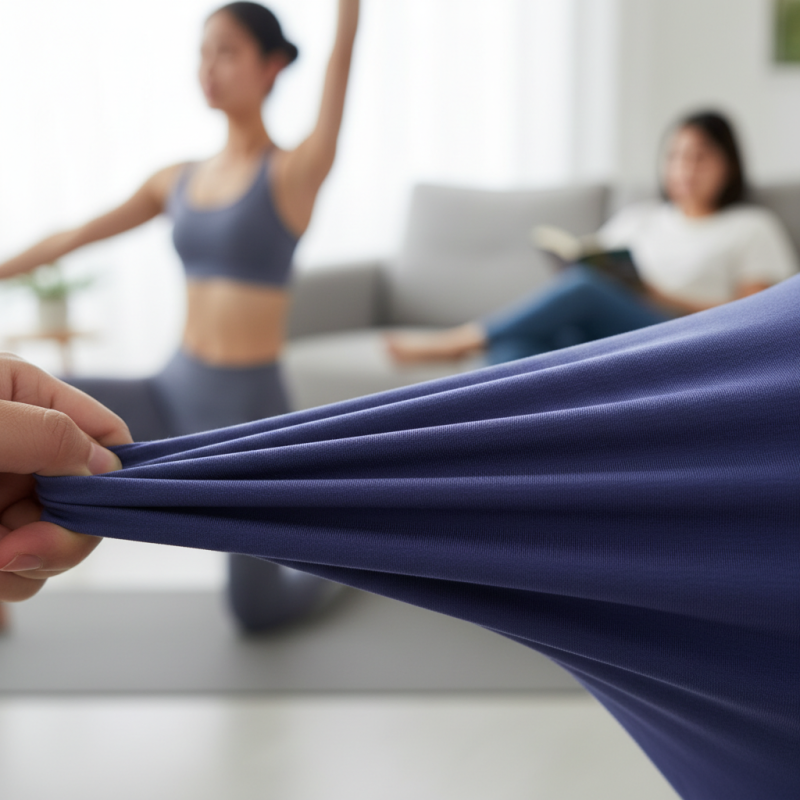
When choosing the right clothing, the fabric plays a crucial role. Among many options, the Most Elastic Fabric stands out. It offers comfort and versatility for various activities. Whether you're exercising or lounging, this fabric adapts well to your movements.
Many people overlook how important elasticity is. Fabrics like spandex blend give stretch without losing shape. As you navigate through options, consider your lifestyle needs. Not all elastic fabrics are equal. Some may wear out quickly, while others retain their resilience.
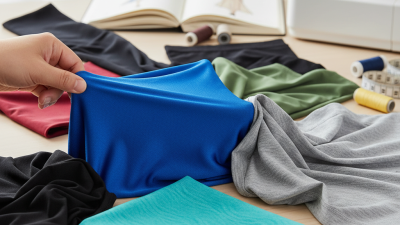
Finding the Most Elastic Fabric can be challenging. You may have to experiment with different blends. Sometimes, what seems ideal may not perform as expected. Reflect on your past choices. Did they yield the comfort you sought? Your ideal fabric is out there, waiting to be discovered.
Types of Elastic Fabrics Commonly Used in Clothing
When choosing elastic fabrics for clothing, several options stand out.
Spandex is famous for its stretchability and is often blended with other fibers.
It can stretch up to five times its size. This makes it ideal for athletic wear and fitted garments.
Lycra is another popular choice. It has similar properties but is often
preferred for its durability.
Another common fabric is cotton jersey. It offers a comfortable stretch and is breathable.
This fabric is often used for casual wear and t-shirts. However, it may not hold up as well under heavy use.
Knitted fabrics also provide elasticity. They come in various types, each offering
a different level of give.
There are challenges when selecting elastic fabrics.
For instance, blending materials can sometimes cause uneven stretching. Some fabrics may lose elasticity over time,
especially with frequent washing. Personal preferences also play a role. What feels perfect for one person may not work for another.
Consider testing different fabrics to find what suits your needs best.
Factors Influencing Fabric Elasticity and Stretchability
When considering fabric elasticity and stretchability, many factors come into play. One important aspect is the fiber content. Different fibers react differently to tension. Fabrics made from natural fibers generally offer less stretch compared to synthetic ones. For instance, cotton has limited elasticity, while polyester and spandex are much more forgiving.
Another factor is the fabric construction. Knitted fabrics tend to stretch more than woven ones. This is largely due to their unique structure. Knits can expand in multiple directions, allowing for greater movement. Woven fabrics, on the other hand, are typically more rigid and retain their shape, which can limit comfort in active use.
Tips: Look for fabrics that combine different fibers for enhanced stretch. A blend of cotton and spandex might be ideal for casual wear. Test the fabric's stretch by pulling on it gently. Observe how it returns to shape. If it loses form easily, it might not be the best choice. Always consider where you will wear these clothes. Will you be active or sitting for long periods? Your needs dictate the fabric's performance. Remember, not all stretchy fabrics are equal; their qualities can vary widely.
What is the Most Elastic Fabric for Your Clothing Needs? - Factors Influencing Fabric Elasticity and Stretchability
| Fabric Type |
Elasticity (%) |
Weight (g/m²) |
Common Uses |
| Spandex |
300% |
200 |
Athletic wear, swimwear |
| Nylon |
50% |
190 |
Lingerie, leggings |
| Polyester |
30% |
150 |
Sportswear, outerwear |
| Cotton Blend |
20% |
130 |
Casual wear, t-shirts |
| Lycra |
400% |
210 |
Activewear, bodycon dresses |
Benefits of Using Highly Elastic Fabrics in Fashion Design
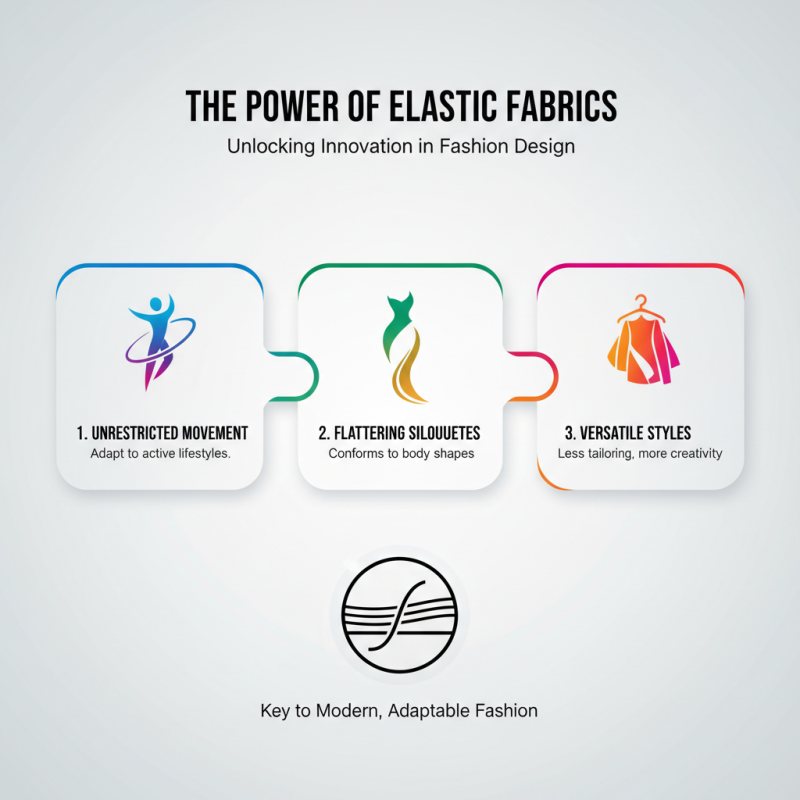
Choosing highly elastic fabrics can greatly enhance fashion design. These materials allow freedom of movement, which is essential in today's active lifestyle. They fit snugly against the body, creating flattering silhouettes that move with you. Many designers appreciate the way these fabrics adapt to various body shapes. This means less tailoring and more versatile styles.
Elasticity also plays a crucial role in comfort. Fabrics that stretch provide ease, especially during physical activities. Imagine slipping into a pair of workout leggings that hug your body just right. You feel supported yet unrestricted. However, not all elastic fabrics are created equal. Some may lose their shape after washing, leading to disappointment. Therefore, careful selection is vital when choosing materials for specific designs. Finding the perfect balance of stretchiness and durability can be challenging.
Another benefit is the creative potential. Highly elastic fabrics can be manipulated into innovative designs. Designers can explore new shapes and textures that were once thought impossible. Yet, it is important to reflect on the environmental impact of these materials. The sourcing and production processes can raise concerns about sustainability. Fashion is about more than just aesthetics; it’s also about responsibility.
Comparing Natural and Synthetic Elastic Fabrics for Clothing
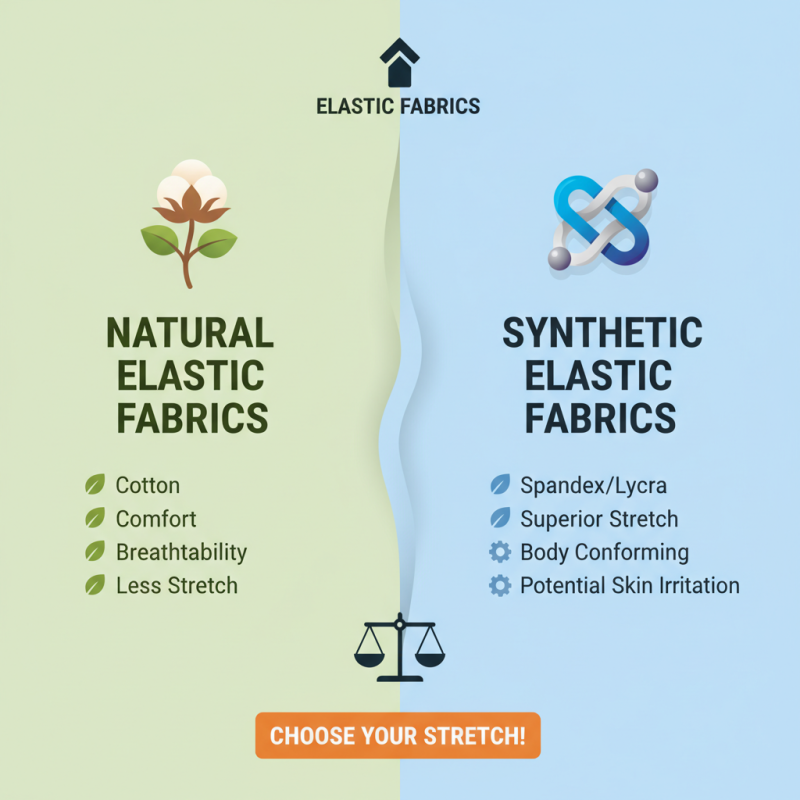
When selecting elastic fabrics, natural and synthetic options both offer unique advantages. For example, cotton is a popular natural choice. It provides comfort and breathability but lacks significant stretch. On the other hand, materials like spandex deliver superior elasticity. They conform to the body's shape and move with it. Yet, synthetic fabrics can sometimes irritate sensitive skin.
Another natural alternative is wool, known for its dynamic elasticity. This allows garments to regain shape after stretching. However, wool can be heavy and may not suit all climates. Synthetic blends, such as polyester-spandex, combine durability and flexibility. They are lightweight and often more affordable. But wear and tear can happen faster with low-quality options.
Personal preferences matter too. Some might favor the softness of natural fabrics, while others lean toward the performance of synthetics. It’s essential to consider the intended use of the garment. Workout clothes may need more stretch, while casual wear might benefit from the breathability of cotton or bamboo. Experimenting with different options can help find the right balance for your clothing needs.
Care Instructions for Maintaining Elastic Properties in Fabrics
When it comes to maintaining the elastic properties of fabrics, care is crucial. Many fabrics lose elasticity over time from improper washing or drying. To preserve the stretch and form, always check the care label. Some fabrics require cold water, while others can handle warmer washes.
Tips: Wash in cold water to avoid shrinkage.
Hang or lay flat to dry, rather than using a dryer. Heat can break down elastic fibers, causing them to lose their stretch. Fabrics like spandex and elastane need gentle handling.
Tips: Avoid bleach and fabric softeners.
Regularly inspect your elastic garments for signs of wear. If you notice any stretching or distortion, consider adjusting your washing method. Careful maintenance can extend the life of your favorite stretchy clothes.
Elasticity of Different Fabrics
This chart illustrates the elasticity percentages of various fabric types, highlighting how spandex offers the highest elasticity, followed by nylon and polyester. Cotton and wool have significantly lower elasticity properties, making them less suitable for instances where stretch is required.