What is Microfiber Stretch Fabric and its Benefits?
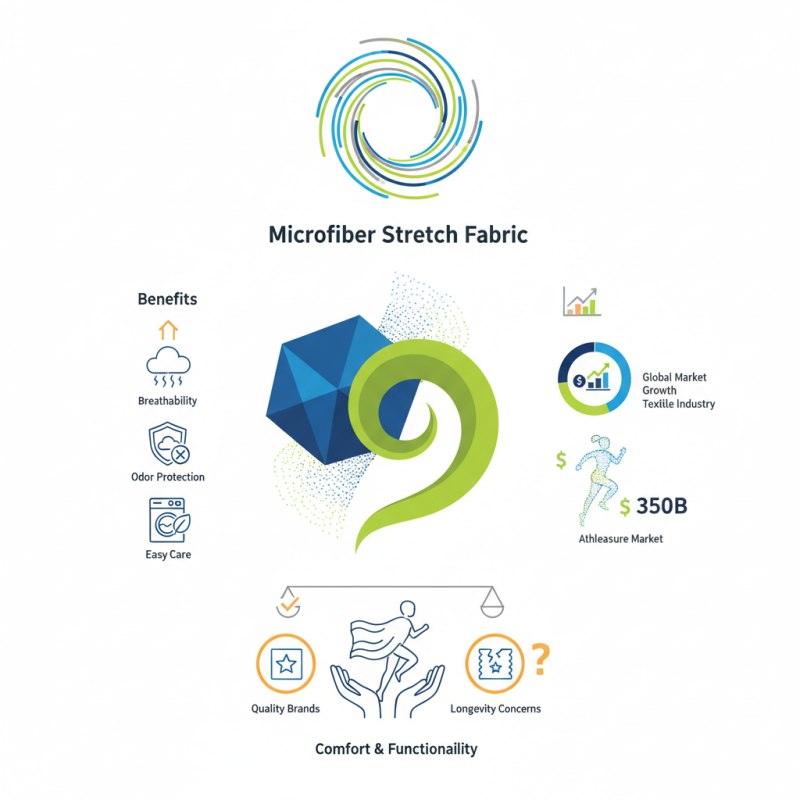
Microfiber Stretch Fabric is revolutionizing the textile industry. It is a blend of polymers, creating a material that is both durable and flexible. According to a recent industry report, the global market for stretch fabrics is projected to grow significantly in the coming years. This growth reflects an increasing demand for high-performance materials.
The benefits of Microfiber Stretch Fabric are numerous. This material offers superior breathability and moisture-wicking properties. It protects against odors and is easy to care for. This fabric is often used in activewear and athleisure, meeting the needs of modern consumers. The global athleisure market alone is expected to reach $350 billion by 2025.
Despite its many advantages, there are challenges. Some consumers report issues with the longevity of microfiber products. It is important to choose brands known for quality. Overall, Microfiber Stretch Fabric presents unique opportunities. It blends comfort with functionality, responding to the demands of today's fast-paced lifestyle.
What is Microfiber Stretch Fabric?
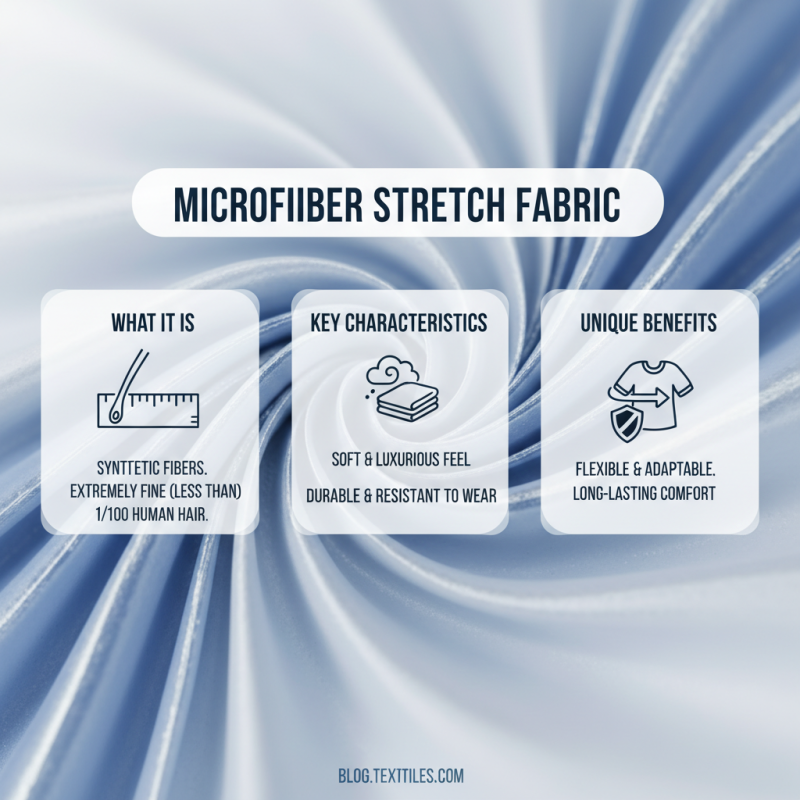
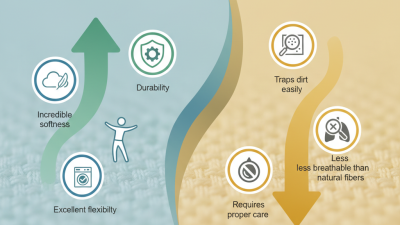
Microfiber stretch fabric is a unique textile made from synthetic fibers. These fibers are incredibly fine, often thinner than a human hair. This gives the fabric a soft feel and a luxurious appearance. Microfiber is also known for its durability. It can withstand wear and tear better than many traditional materials.
The stretch characteristic adds versatility. It allows for greater flexibility and comfort. This is particularly beneficial in apparel. Whether it’s activewear or casual clothing, the fabric moves with the body. However, the manufacturing process can sometimes involve chemicals. This raises concerns about sustainability. Not all microfiber is eco-friendly. There are ongoing debates about environmental impact.
While microfiber offers many advantages, it’s crucial to consider care. Many users overlook the importance of proper washing instructions. If not cared for correctly, the fabric can lose its stretch and softness. Buyers should be aware of these factors to maintain the fabric's integrity. In the end, understanding microfiber stretch fabric goes beyond its benefits. It prompts us to think critically about our choices.
The Composition and Structure of Microfiber Stretch Fabric
Microfiber stretch fabric is a unique blend of materials, primarily polyester and polyamide. This combination creates a soft, lightweight textile that offers flexibility. According to industry reports, microfiber accounts for a significant portion of the global textile market, hitting around 30 billion square meters by 2022. Such figures highlight its growing relevance in various clothing and upholstery sectors.
The structure of microfiber fabric involves fibers that are thinner than human hair. This fine structure enables a silky texture, which gives garments a luxurious feel. Furthermore, its two-way stretch capability allows for ease of movement, making it ideal for activewear. Some studies suggest that materials with stretch properties can enhance athletic performance by up to 10%. Yet, not all microfiber is created equal, and variability in manufacturing processes can lead to inconsistent quality.
While microfiber has many benefits, there are also challenges. The fabric can be sensitive to heat, which affects durability. Additionally, microfiber can release tiny particles into the environment when washed, raising concerns about microplastic pollution. This issue calls for careful consideration of garment care practices. Despite these imperfections, the appeal of microfiber stretch fabric continues to grow in both fashion and functional apparel.
Benefits of Microfiber Stretch Fabric
Key Benefits of Using Microfiber Stretch Fabric
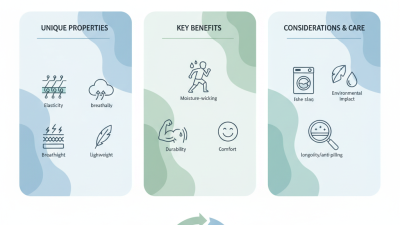
Microfiber stretch fabric is a versatile material known for its unique properties. Its ability to stretch and recover makes it a popular choice in various applications. This fabric is often used in clothing, upholstery, and accessories, providing both comfort and style. The soft texture enhances the overall experience, whether worn or used in home décor.
One key benefit of microfiber stretch fabric is its moisture-wicking capability. It draws sweat away from the body, keeping you cool and dry. This feature is essential for active wear, especially during workouts or hot weather. Additionally, the fabric is lightweight, making it easy to wear or handle. The material also resists wrinkles, which means less time spent on ironing. However, it can sometimes attract lint or pet hair, which may require extra care.
Another significant advantage is the fabric's durability. Microfiber stretch is known for its longevity, even after multiple washes. It maintains its shape, color, and overall quality, making it a worthwhile investment. Yet, some may find that it lacks breathability compared to natural fibers. While the benefits are substantial, it’s essential to be mindful of cleaning methods. Improper care can lead to a decline in performance over time.
Applications of Microfiber Stretch Fabric in Various Industries
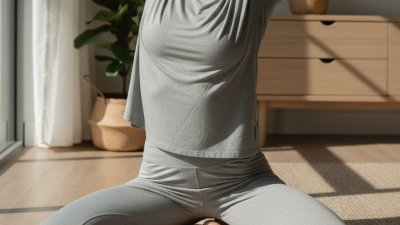
Microfiber stretch fabric has found its way into multiple industries, showcasing its versatility. In the fashion sector, this fabric is favored for activewear. It provides a snug fit while allowing freedom of movement. Many athletes prefer it for training and competitions. The lightweight nature also enhances comfort. However, some may find it lacks breathability in hot conditions.
In the home textile industry, microfiber stretch fabric is used for curtains and upholstery. Its soft texture adds a touch of elegance. The fabric is easy to clean, making it practical. Yet, maintaining its appearance can be challenging over time; pilling may occur. In the automotive realm, this fabric is employed for seat covers and interiors. It offers both style and durability. But with varied usage, some may experience fading over time.
Healthcare applications utilize microfiber stretch fabric in scrubs and linens. Its flexibility supports healthcare professionals during demanding shifts. Additionally, the fabric is hypoallergenic, which is essential. Still, issues with colorfastness may arise after repeated washes. Industries benefit from this innovative material, but its limitations require ongoing evaluation.
What is Microfiber Stretch Fabric and its Benefits? - Applications of Microfiber Stretch Fabric in Various Industries
| Industry |
Application |
Benefits |
| Fashion |
Activewear |
Stretchability, moisture-wicking |
| Automotive |
Upholstery |
Durability, ease of cleaning |
| Sports |
Team uniforms |
Breathability, performance enhancement |
| Home Textiles |
Bed linens |
Softness, hypoallergenic properties |
| Healthcare |
Medical scrubs |
Antimicrobial, ease of movement |
Care and Maintenance Tips for Microfiber Stretch Fabric
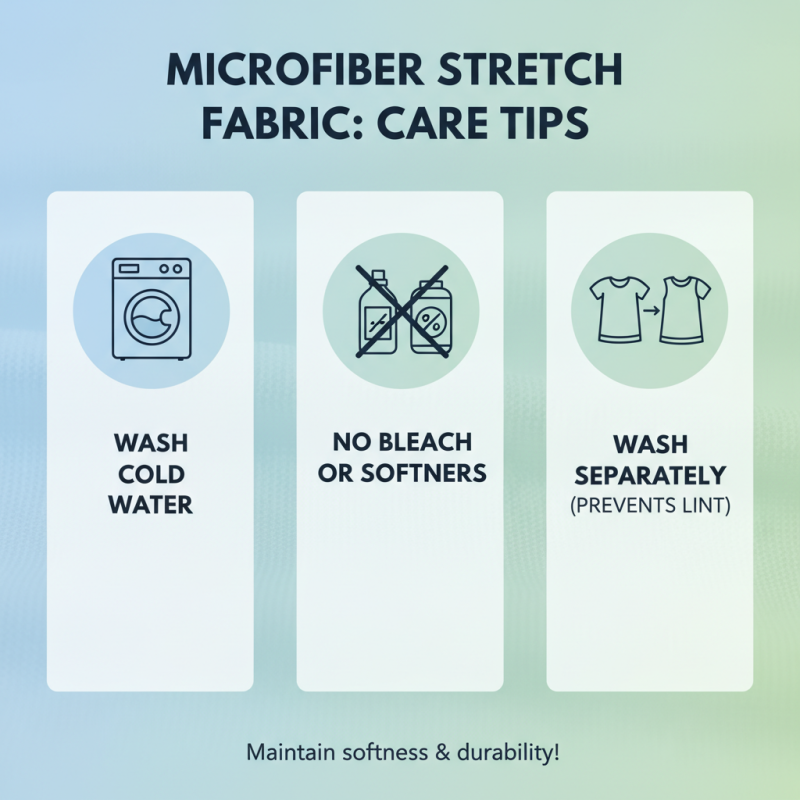
Microfiber stretch fabric is popular for its softness and durability. To maintain its quality, proper care is essential. Washing this fabric in cold water is ideal. Avoid using bleach or fabric softeners, as they can compromise the fibers. It's best to wash microfiber items separately to prevent lint sticking.
Drying can be tricky. While tumble drying on low heat is acceptable, air drying is often safer. High heat can damage the fibers over time. Ensure the fabric is completely dry before storing; moisture can lead to mildew. When ironing, use a low setting to prevent burns.
Stains happen, and quick action is key. Blot spills immediately to prevent them from setting. A mild soap solution works well for cleaning. However, constant washing can wear the fabric out. Consider spot cleaning for minor stains. Reflect on the balance between care and longevity; this fabric deserves attention to maintain its charm.