How to Choose Recycled Polyester Fabric for Your Projects?
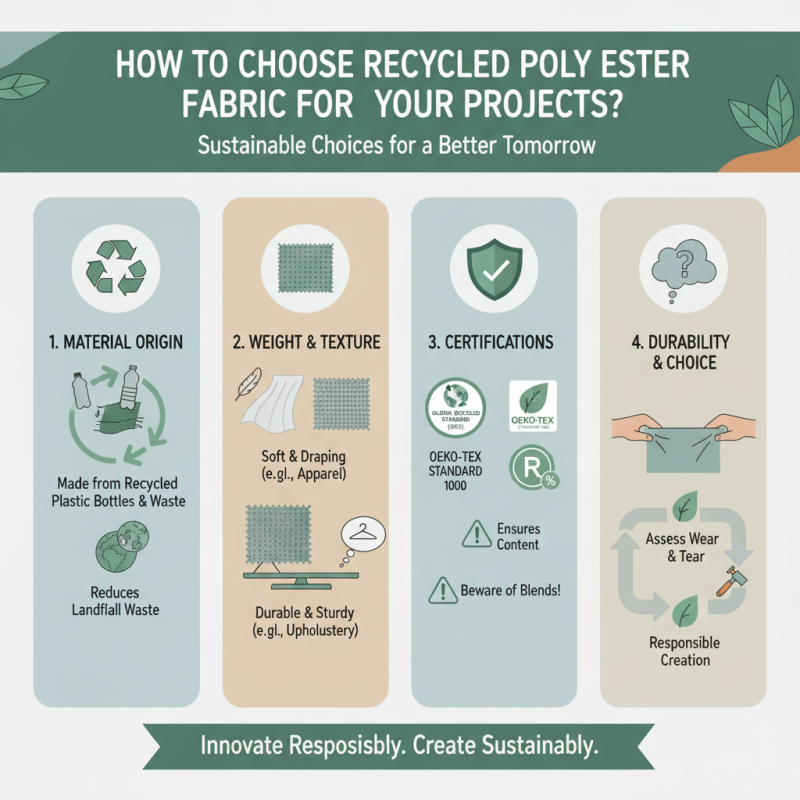
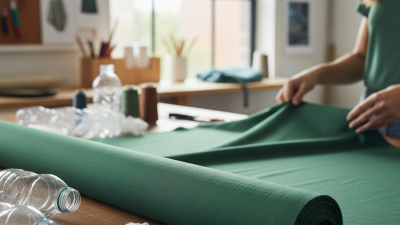
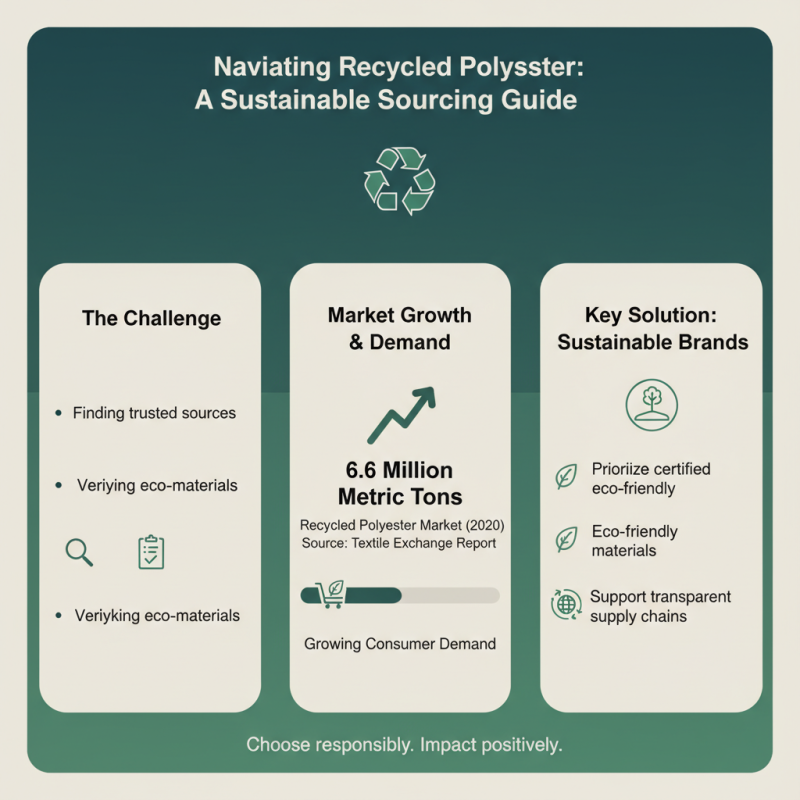
In today's eco-conscious world, choosing the right materials for projects is crucial. Recycled Polyester Fabric stands out as a sustainable option. It’s made from recycled plastic bottles and other materials, reducing waste while offering versatility.
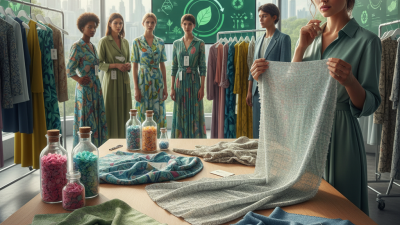
When selecting Recycled Polyester Fabric, consider its weight and texture. Different projects demand specific characteristics. Some fabrics may feel soft, while others are more durable. It's essential to visualize how the fabric will function in your design. Look for certifications that ensure genuine recycled content.
However, not all sources of Recycled Polyester Fabric are equal. Some products may blend new and recycled fibers, which dilutes the environmental benefit. Reflect on your choices carefully. Will the fabric hold up to wear and tear? Assessing these factors can lead to more informed and responsible decisions in your creative endeavors.
Understanding Recycled Polyester Fabric: What It Is and Its Benefits
Recycled polyester fabric is made from plastic bottles and other discarded plastics. It transforms waste into something useful. This process helps reduce landfill waste and pollution. The fabric retains the same quality as virgin polyester while being more eco-friendly. It's a win for both fashion and the environment.
Choosing recycled polyester can be a bit overwhelming. Not all fabrics are created equal. Some may still use harmful dyes or processes. Look for certifications that confirm the fabric’s sustainability. Opt for materials that are soft and durable. Check for breathability, as this can affect comfort. It's important to balance eco-conscious choices with the quality you need for your projects.
While recycled polyester has clear benefits, it’s not perfect. The production process still consumes energy. Some fabrics might not be as easily recyclable due to mixed materials. It's vital to weigh these factors when selecting fabrics. Understanding these nuances can lead to smarter choices.
Identifying Different Types of Recycled Polyester Options Available
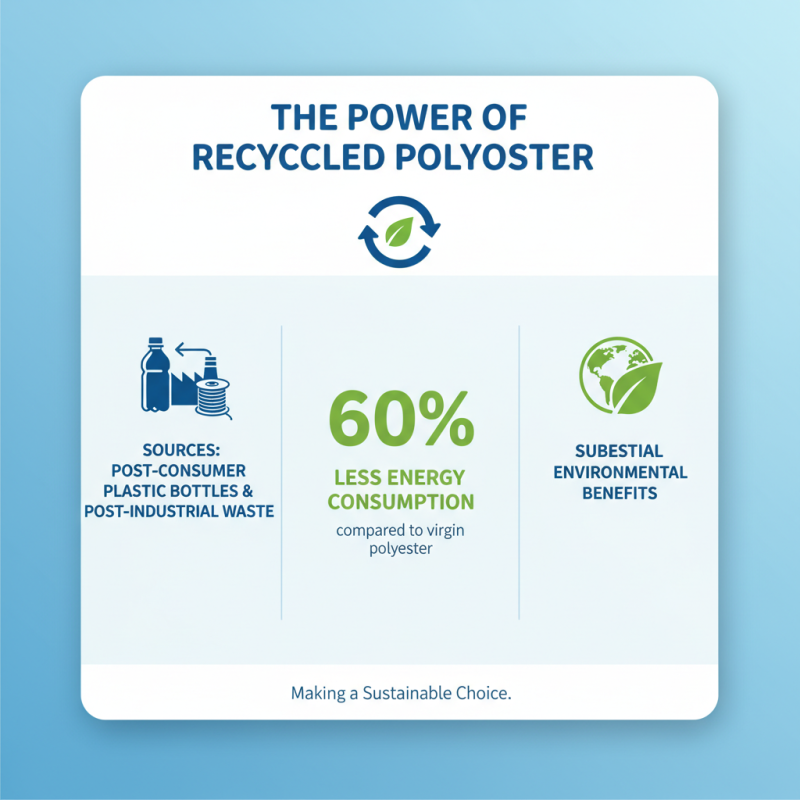
When selecting recycled polyester fabric, it’s essential to understand the various types available. Recycled polyester can stem from several sources, primarily post-consumer plastic bottles and post-industrial waste. Experts estimate that using recycled polyester can reduce energy consumption by up to 60% compared to virgin polyester production. This statistic reveals the substantial environmental benefits of choosing recycled fabric.
Different types can have diverse applications. For instance, rPET (recycled PET) fabrics usually suit activewear due to their moisture-wicking properties. Other forms, like recycled polyester blends, offer versatility. However, blending can sometimes diminish the eco-friendly aspect if not monitored. Always check the composition to ensure you’re making a responsible choice.
It’s hard to find a universally perfect option. Some recycled polyester fabrics may lack durability compared to virgin ones, needing more frequent replacement. This could counteract environmental gains. Balancing performance and sustainability is crucial. Additionally, verify certifications and manufacturer practices to ensure you are truly choosing a responsible product.
Evaluating Quality: Factors to Consider When Choosing Recycled Polyester
When evaluating recycled polyester fabric, several factors come into play. One key element is the weight of the fabric. Heavier fabrics often indicate durability, while lighter weights can be great for activewear. Check the feel, too. A softer touch might appeal more for comfortable clothing. But remember, softness can sometimes hide underlying issues. Don’t overlook the weave; it affects how the fabric performs.
Another crucial factor is the fabric's environmental impact. Look into the percentage of recycled content. Is it truly sustainable or just a marketing ploy? Researching the production process can help clarify its true eco-friendliness. Transparency from suppliers is essential, but it's often lacking. You might find inconsistencies in claims about recyclability and sourcing.
Additionally, consider the color and print options. Vibrant colors may require dyeing processes that impact the fabric's sustainability. However, they can attract consumers. Balancing aesthetics with ethics can be hard. You'll need to weigh personal values against project goals. Keep these aspects in mind as you make your choice. Recycled polyester can be a great choice, but it often requires careful assessment.
Evaluating Quality of Recycled Polyester Fabric
This chart evaluates the quality of recycled polyester fabric based on various factors such as durability, tensile strength, water resistance, breathability, and colorfastness. Each factor is scored on a scale from 0 to 100, providing a visual representation of the overall quality aspects that should be considered when choosing recycled polyester fabric for projects.
Assessing the Environmental Impact of Your Fabric Choices
When selecting recycled polyester fabric, understanding its environmental impact is critical. According to the Textile Recycling Industry report, about 60 million metric tons of textile waste end up in landfills each year. Choosing recycled polyester can significantly reduce waste by repurposing plastic bottles and discarded fabrics. This is a step towards reducing our carbon footprint.
The production of virgin polyester emits 1.5 kg of CO2 for every kilogram produced. In contrast, recycled polyester can reduce emissions by 30-40%. However, the recycling process itself consumes energy and water. It requires careful consideration of these factors when making fabric choices. Some recycling processes use toxic chemicals, raising concerns about water pollution.
Not all recycled fabrics are created equal. Some may contain blends that limit recyclability. Understanding certification labels can be confusing. Transparency in sourcing and production methods varies widely. Consumers must be vigilant about traceability in their fabric choices to ensure genuine sustainability.
How to Choose Recycled Polyester Fabric for Your Projects? - Assessing the Environmental Impact of Your Fabric Choices
| Fabric Type |
Recycled Content (%) |
Water Consumption (Liters/kg) |
Carbon Emissions (kg CO2e/kg) |
Biodegradability |
| Recycled Polyester |
100% |
20 |
1.5 |
Non-biodegradable |
| Recycled Cotton Blend |
80% |
30 |
2.0 |
Partially biodegradable |
| Recycled Nylon |
70% |
45 |
3.0 |
Non-biodegradable |
| Recycled Wool |
90% |
25 |
2.5 |
Biodegradable |