How to Choose Microfiber Stretch Fabric for Your Projects?
Choosing the right Microfiber Stretch Fabric can significantly impact your project’s outcome. John Smith, a fabric expert, emphasizes, "The right fabric makes all the difference." In today's market, countless options exist. The challenge lies in finding the best fit for your needs.
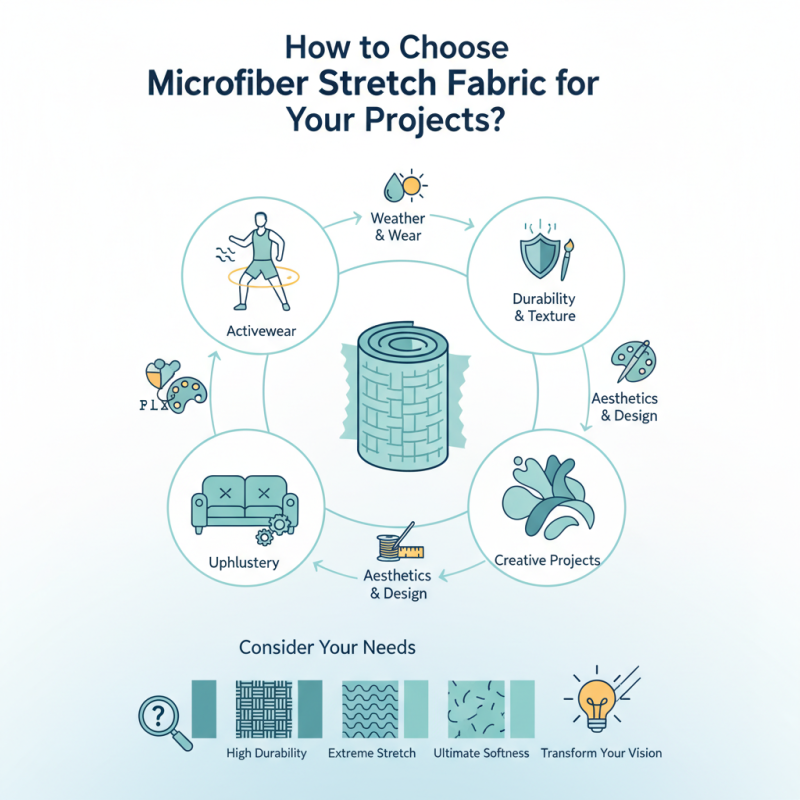
Microfiber Stretch Fabric is known for its versatility. It combines softness with elasticity. This makes it a favorite for activewear, upholstery, and more. However, not all microfiber fabrics are created equal. Some may lack durability, while others might not offer the stretch you expect. Knowing these nuances is essential.
Consider your project’s requirements. Think about wear, weather, and aesthetics. Reflect on your choices. Could you overlook critical factors? Engaging with the right fabric will not only enhance your work but can bring new life to your designs. Be mindful of fabric quality as you make your selection. The right Microfiber Stretch Fabric may just transform your creative vision.
Understanding Microfiber Stretch Fabric: Key Features and Benefits
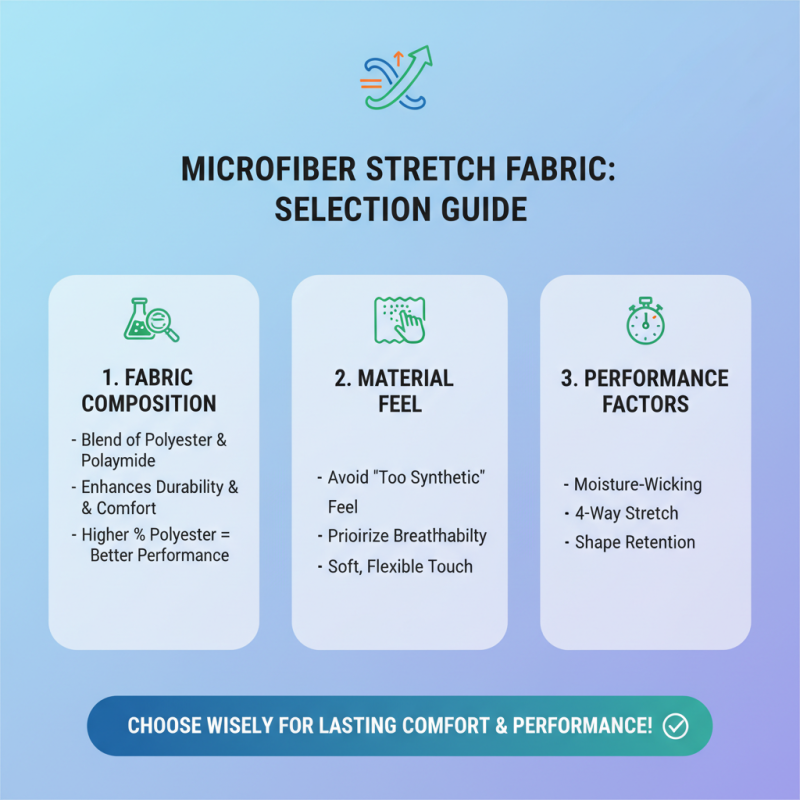
Microfiber stretch fabric is a versatile option for various projects. It combines softness with durability, making it a reliable choice. One key feature is its breathability. This allows the material to flow air well, reducing discomfort during wear. Additionally, it has moisture-wicking properties, keeping the skin dry and comfortable.
Another benefit is its stretchability. This fabric offers excellent elasticity, allowing for freedom of movement. It retains its shape after multiple washes. However, some users may find it challenging to work with due to its slippery texture. It might require time to adjust your sewing techniques.
Also, consider the weight of the fabric. Some microfibers can be light, which is great for activewear. But, heavier options might be better for more structured projects.
When choosing microfiber, think about your project's needs. Color selection can impact the final look. Lighter shades may show dirt more easily, while darker tones hide imperfections. Testing different types and weights might lead to surprises. It's essential to experiment to find what works best.
Identifying Suitable Microfiber Stretch Fabric for Different Projects
When selecting microfiber stretch fabric, consider the project's specific needs. This fabric is versatile, suitable for clothing, upholstery, and crafts. For activewear, choose a fabric that offers flexibility and breathability. Look for materials with a blend of polyester and spandex for optimal comfort and movement.
Next, examine the fabric's weight and texture. Lighter fabrics work well for summer clothing, while heavier weights are better for winter garments. A soft finish enhances comfort against the skin, making it ideal for intimate apparel. Detailing like the fabric's stretchability can significantly impact the final product's look and feel.
However, not every microfiber stretch fabric is created equal. Some materials may not hold their shape after washing. Others might fade or lose elasticity over time. It’s crucial to consider longevity and care instructions. What works for one project may not be suitable for another. Test samples where possible and reflect on your choices to ensure the best outcome.
Selecting the Right Weight and Thickness for Specific Applications
When choosing microfiber stretch fabric, weight and thickness are crucial for your project. The right combination ensures your fabric performs as needed. Lighter fabrics work well for activewear. They offer breathability and flexibility. Heavier options provide durability, perfect for outerwear or upholstery.
Tips: Check the fabric's denier rating. A higher denier indicates a thicker and stronger fabric. Be mindful of the stretch properties; not all microfiber stretches the same way. Test samples whenever possible.
Thickness also affects the drape. Thicker fabrics may be stiffer, impacting how they fall. If you need something soft and flowing, consider a lighter weight. However, they might lack the structure needed for tailored designs. Reflect on your project's needs. Don't rush the decision; it can make a significant difference.
Tips for Care and Maintenance of Microfiber Stretch Fabric Products
Microfiber stretch fabric is popular for its softness and versatility. To maintain its quality, proper care is essential. Start by washing the fabric in cold water. This helps prevent shrinkage. Use a gentle cycle. Avoid bleach and fabric softeners. These can damage the fibers.
Drying microfiber stretch fabric requires caution. It’s best to air dry it. If using a dryer, choose low heat. High heat can cause the fabric to become stiff. Additionally, keep the fabric away from sharp objects. These can cause snags, reducing its lifespan.
Regular maintenance keeps your microfiber fabric looking good. Check for stains right away. Clean them using mild soap and water. Sometimes, it’s necessary to iron the fabric. Use a low heat setting to avoid burns. Be mindful of these steps for long-lasting use.
How to Choose Microfiber Stretch Fabric for Your Projects? - Tips for Care and Maintenance of Microfiber Stretch Fabric Products
| Aspect |
Details |
| Material Composition |
80% Polyester, 20% Spandex |
| Stretchability |
4-way stretch for maximum comfort |
| Weight |
200 GSM |
| Care Instructions |
Machine wash in cold water, tumble dry low |
| Durability |
Highly durable and resistant to wear |
| Common Uses |
Athletic wear, upholstery, activewear |
| Color Fastness |
Good color retention after washing |
| Breathability |
Excellent breathability for comfort |