Top 10 Tips for Choosing Dyed Yarn Cotton Fabric for Your Next Project
In the ever-evolving world of textile design, the choice of materials plays a pivotal role in determining the quality and aesthetic of any project. Among various fabric types, Dyed Yarn Cotton Fabric has gained significant traction, appealing to both amateur crafters and professional designers alike. According to a report by Markets and Markets, the global cotton fabric market is projected to reach $50 billion by 2025, highlighting the increasing demand for high-quality cotton textiles, particularly in the arena of dyed options.
The vibrant palette and versatility offered by Dyed Yarn Cotton Fabric make it an ideal choice for a range of applications, from fashion to interior design. The report emphasizes that the dyed cotton fabric segment is expected to grow substantially, reflecting consumers' rising preference for sustainable and colorful textiles. Understanding the nuances of choosing the right dyed cotton fabric not only enhances the aesthetic appeal of your projects but also ensures that you select a product that aligns with your individual needs and sustainability goals. As we delve into the top tips for selecting the perfect Dyed Yarn Cotton Fabric for your next venture, we will explore factors such as colorfastness, weight, and texture, ensuring you make informed decisions that elevate your creative endeavors.
Key Considerations for Selecting Dyed Cotton Yarn Fabrics
When selecting dyed cotton yarn fabrics for your next project, there are several key considerations that can significantly impact your final product's quality and look. Cotton yarns are known for their versatility and breathability, making them a popular choice for various crafting projects, from clothing to home decor. According to industry reports, the global cotton yarn market is expected to grow at a CAGR of 4.5% from 2023 to 2030, indicating a sustained demand for quality materials.
One crucial tip is to assess the dyeing process used on the fabric. Natural and reactive dyes offer vibrant colors with better wash fastness compared to direct dyes, which may fade quickly. While selecting your yarn, consider how the dyeing affects the fabric’s texture and durability. Additionally, evaluate the fabric weight; lighter fabrics are perfect for summer garments, while heavier ones are ideal for cozy winter wear.
Another essential aspect is the yarn's twist. A well-twisted yarn will provide strength and prevent fraying, whereas a loosely twisted yarn may lead to pilling. Look for fabrics that boast a balanced twist for improved resilience—this aspect is particularly crucial if you're using the yarn for frequently-worn items. Be sure to check for certifications that indicate the fabric's sustainability and eco-friendliness, as consumers increasingly prioritize sustainable practices in their purchasing decisions. These considerations will help ensure that your chosen dyed cotton yarn fabric not only meets your aesthetic needs but also aligns with your project’s functional demands.
Understanding Different Types of Dyed Cotton Fabrics in the Market
When choosing dyed cotton fabric for your next project, understanding the variety of options available in the market is essential. Dyed cotton fabrics can be broadly categorized into two types: piece-dyed and yarn-dyed fabrics. Piece-dyed fabrics are created by dyeing the fabric after it has been woven, allowing for a wide array of vibrant colors, while yarn-dyed fabrics are dyed before weaving, resulting in patterns and colors that remain consistent throughout the fabric's lifespan. According to a recent industry report by Technavio, the global cotton fabric market is expected to grow at a CAGR of over 4% through 2025, highlighting a robust interest in diverse fabric options among consumers.
In addition to the dyeing method, the type of dye used also plays a crucial role in the fabric's quality and application.
Reactive dyes are popular for their bright colors and excellent wash fastness, making them suitable for everyday clothing and home textiles. On the other hand, vat dyes provide exceptional durability and are often used in denim and other heavy-use applications. The Fiber & Biopolymer Research Institute notes that the demand for sustainable cotton materials is rising, with around 30% of consumers indicating a preference for eco-friendly fabrics. This trend is prompting manufacturers to explore organic and eco-conscious dyeing techniques, further diversifying the selections available on the market today.
Evaluating Colorfastness and Its Importance in Dyed Yarn Selection
When choosing dyed yarn cotton fabric for your next project, one crucial factor to consider is colorfastness. Colorfastness refers to the stability of the dye on the fabric, which is essential for ensuring that the colors remain vibrant after washing and exposure to light. This is particularly important for projects that will see regular use, as fading can drastically alter the aesthetic appeal of your creation. To evaluate colorfastness, look for fabrics that have been tested against standards like ISO 105 for colorfastness to laundering and light.
In addition to considering colorfastness, it's also beneficial to test the fabric yourself if possible. A simple home test involves wetting a small swatch of the fabric and rubbing it against a white cloth. If color transfers to the cloth, it may indicate that the dyed yarn is not colorfast, which could impact the longevity of your project. Another aspect to keep in mind is the type of dye used during the dying process. Natural dyes often behave differently compared to synthetic dyes when it comes to fading, so understanding the dye's properties can help make an informed choice.
When selecting your dyed yarn cotton fabric, remember to prioritize quality. High-quality dyed fabrics tend to have a better colorfastness, ensuring that your project retains its beautiful hues over time. Additionally, consider the care instructions for the fabric, as some dyed yarns may require special handling to maintain their color integrity throughout their lifespan.
Assessing Weight and Texture of Dyed Cotton for Project Suitability
When selecting dyed cotton fabric for your next project, understanding the weight and texture is crucial for achieving the desired outcome. According to a report by the Textile Research Journal, the weight of cotton fabrics typically ranges from 3 to 12 ounces per yard, which influences not only the drape but also the suitability for various applications. Lightweight fabrics, generally below 6 ounces, are ideal for summer clothing, while heavier options provide durability for upholstery or outerwear.
Tip: When evaluating fabric weight, consider the final use of your project. For example, quilting often benefits from mid-weight fabrics around 7 to 9 ounces, providing a balance between ease of manipulation and structural integrity.
Texture is another essential aspect to assess. The feel of the dyed cotton can significantly affect the aesthetics and comfort of the final product. A report from the International Journal of Fashion Technology outlines that smoother textures offer a more luxurious appearance, which is particularly beneficial for garments intended for formal occasions. Conversely, raw or bumpy textures might enhance casual items or accessories.
Tip: Always sample the fabric before committing to a large purchase. Testing a variety of textures can help determine which one aligns best with your vision, ensuring that the dye process complements the fabric’s characteristics.
Top 10 Tips for Choosing Dyed Yarn Cotton Fabric for Your Next Project
| Tip No. |
Weight Category |
Best Use |
Texture |
Recommended Projects |
| 1 |
Lightweight |
Shirts & Blouses |
Soft & Smooth |
Summer Dresses, Scarves |
| 2 |
Medium Weight |
Trousers & Skirts |
Textured |
Pants, Tablecloths |
| 3 |
Heavyweight |
Curtains & Upholstery |
Robust |
Cushions, Bags |
| 4 |
Extra Lightweight |
Lining & Overlay |
Delicate |
Silks, Sheer Curtains |
| 5 |
Satin Finish |
Formal Wear |
Glossy |
Evening Gowns, Ties |
| 6 |
Denim Weight |
Casual Wear |
Durable |
Jeans, Jackets |
| 7 |
Crinkled |
Travel Wear |
Wrinkled |
Tunics, Skirts |
| 8 |
Printed |
Fashion Apparel |
Vibrant |
Tops, Dresses |
| 9 |
Fleece Lined |
Outerwear |
Soft & Warm |
Jackets, Sweatshirts |
| 10 |
Muslin |
Constructions & Draping |
Light & Breathable |
Sample Garments, Patterns |
Budgeting for Quality: Analyzing Cost Factors in Dyed Yarn Choices
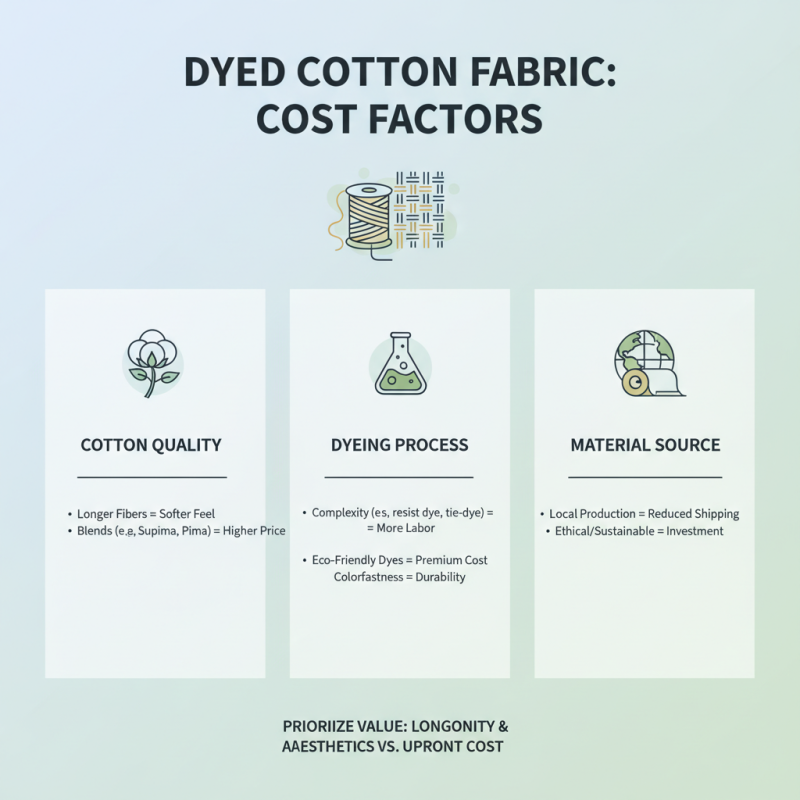
When selecting dyed yarn cotton fabric for your next project, it's essential to consider the cost factors that can significantly impact your overall budget. Dyed cotton fabrics can vary widely in price depending on factors such as the quality of the cotton, the complexity of the dyeing process, and the source of the material. Higher-quality cotton blends often yield richer colors and a softer texture, which can justify a higher price point if longevity and aesthetic appeal are priorities for your project.
Additionally, production methods play an integral role in determining the cost of dyed yarn. Fabrics that undergo environmentally friendly dyeing processes or use organic cotton may carry a premium price tag. However, investing in such materials can contribute to sustainability and ensure that your project is both eco-conscious and visually striking. When budgeting, it's crucial to evaluate whether the benefits of high-quality, sustainably dyed fabrics align with your project goals, as this can lead to better long-term satisfaction with the finished product.