How to Choose the Best Natural Elastic Fabric for Your Sewing Projects
When embarking on a sewing project, selecting the right materials is crucial to achieving the desired quality and functionality. One key component that has gained attention in the sewing community is Natural Elastic Fabric. Experts emphasize its importance due to its eco-friendly properties and versatility. Renowned textile expert Dr. Emily Carter notes, "Natural Elastic Fabric not only provides the flexibility needed in garments but also promotes sustainability in the fashion industry."
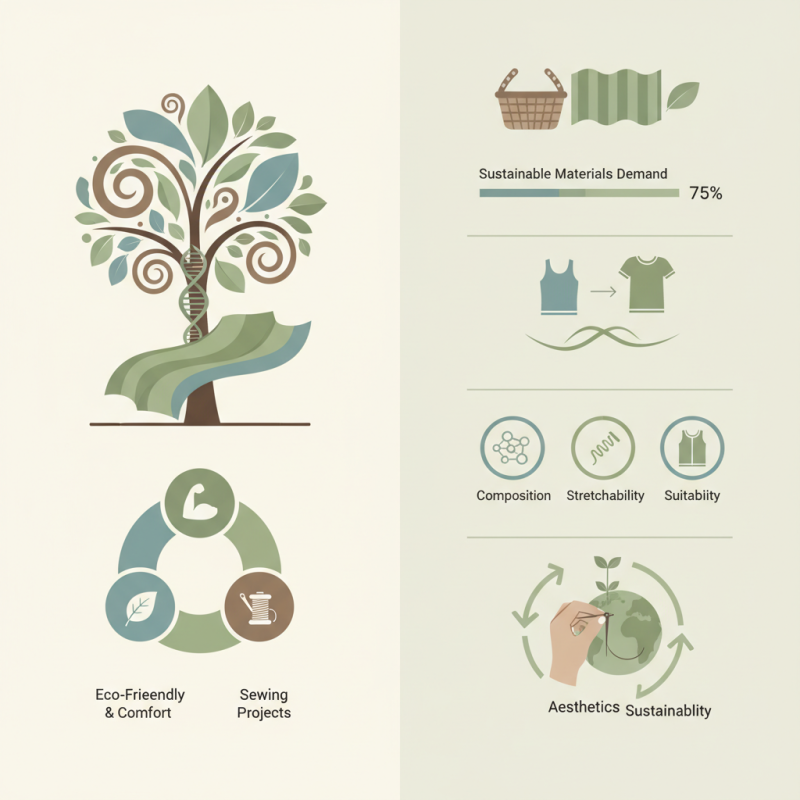
In recent years, the demand for sustainable materials has grown, leading many sewists to explore the benefits of Natural Elastic Fabric. This fabric, derived from organic sources, provides the comfort and stretch required for various applications, from athletic wear to everyday clothing. Understanding the different types of natural elastic materials available can make a significant difference in the outcome of your projects.
Navigating the selection process involves considering factors such as composition, stretchability, and suitability for specific sewing patterns. By making informed choices, sewers can enhance their creations while supporting environmentally friendly practices. The choice of Natural Elastic Fabric opens up a world of possibilities for both aesthetics and sustainability in modern sewing.
Understanding the Properties of Natural Elastic Fabrics
When selecting the best natural elastic fabric for your sewing projects, understanding the properties of these materials is essential. Natural elastic fabrics, often woven from fibers like cotton or wool blended with elastane or stretching techniques, provide excellent breathability and comfort. The inherent characteristics of natural fibers ensure that garments feel soft against the skin, making them ideal for applications where flexibility and comfort are crucial, such as activewear or fitted clothing.
Another important aspect to consider is the fabric's stretchability and recovery. Natural elastic fabrics can vary significantly in their ability to stretch and return to their original shape after being pulled. This characteristic is influenced by the percentage of elastic fibers blended with the natural materials. A higher elasticity percentage often leads to better stretch performance, making it vital to review the specifications of the fabric before deciding. Additionally, consider the weight and drape of the fabric, as this will affect how it interacts with your body, enhancing movement while still offering support.
Identifying Common Types of Natural Elastic Fabrics
When it comes to sewing projects, choosing the right natural elastic fabric is crucial for achieving the desired fit and comfort. There are several types of natural elastic fabrics commonly used in the industry, with cotton and wool being among the most prevalent. According to a report by the Textile World, cotton elastics accounted for over 30% of the natural elastic fabric market in 2022 due to their softness, breathability, and ease of care. These properties make cotton an ideal choice for casual wear and active clothing.
Another notable type is wool elastics, which are valued for their natural stretch and recovery. Wool's unique fiber structure enables it to provide warmth while allowing for movement, making it a popular option for outerwear and winter garments. A study by the International Wool Textile Organization indicated that demand for wool elastics has surged, with a 15% annual growth rate attributed to their sustainable qualities and natural insulation properties.
In addition to cotton and wool, other materials like hemp and linen are gaining traction in the market, each offering distinct benefits. Hemp elastic, for instance, boasts exceptional durability and is renowned for its eco-friendliness, aligning with the increasing consumer preference for sustainable fabrics. As the trend toward eco-conscious sewing continues to grow, understanding the characteristics of these fabrics will enable crafters to make informed decisions tailored to their specific projects.
Evaluating the Stretch and Recovery of Natural Fabrics
When selecting the right natural elastic fabric for your sewing projects, understanding the stretch and recovery properties of these materials is crucial. Natural fabrics like cotton, linen, and wool possess unique elasticity characteristics that can significantly impact the fit and comfort of your garments. According to a report by the Textile Institute, natural fibers typically offer lower elasticity compared to synthetic alternatives, which necessitates careful evaluation of their stretch capabilities. For instance, cotton has a natural stretch of about 2-6%, while fabrics blended with spandex can achieve much higher figures, ranging from 20% to 30%.
Moreover, the recovery ability of the fabric is also vital to ensure that garments maintain their shape after wear. A study published in the Journal of Fashion Technology indicates that while cotton fibers initially stretch well, they can sometimes lose their shape if not blended with other materials. Wool, on the other hand, has excellent recovery properties due to its unique structure, allowing it to bounce back after stretching. This can be particularly beneficial for items requiring shape retention, such as fitted dresses or tailored jackets. Understanding these key metrics will help you not only to choose the right fabric for your project but also to enhance the durability and longevity of your creations.
How to Choose the Best Natural Elastic Fabric for Your Sewing Projects - Evaluating the Stretch and Recovery of Natural Fabrics
| Fabric Type |
Stretch (%) |
Recovery (%) |
Breathability |
Best Uses |
| Cotton Spandex |
25% |
80% |
High |
Activewear, Casual Wear |
| Tencel |
15% |
75% |
Moderate |
Dressmaking, Linings |
| Bamboo Jersey |
30% |
70% |
High |
T-shirts, Loungewear |
| Linen |
10% |
60% |
High |
Summer Wear, Home Textiles |
| Hemp Blend |
20% |
65% |
Moderate |
Recycled Fashion, Eco-Friendly Projects |
Considering Durability and Care Requirements for Elastic Fabrics
When selecting the best natural elastic fabric for your sewing projects,
durability and care requirements play a crucial role. Fabrics made from
natural fibers, such as cotton or linen blends, offer not only comfort but
also the ability to withstand regular wear and tear. It's essential to consider the fabric's
weave and weight, as heavier fabrics tend to be more durable and hold their shape better
over time. Additionally, pay attention to the elasticity of the fabric; greater elasticity
often translates to better recovery after stretching, which is vital for garments that require movement.
Care requirements are another important factor in your decision-making process.
Natural fabrics may require different
washing and drying methods compared to synthetic options. Check if the fabric is
pre-shrunk or if it will need special handling, as some natural fibers can shrink or lose
their shape after washing. It's beneficial to choose elastic fabrics that are machine washable
and can withstand the rigors of everyday use without losing their elasticity or softness. By
carefully evaluating these aspects, you can select a natural elastic fabric that not only meets
your aesthetic needs but also stands the test of time with proper care.
Selecting the Right Fabric Based on Your Sewing Project Needs
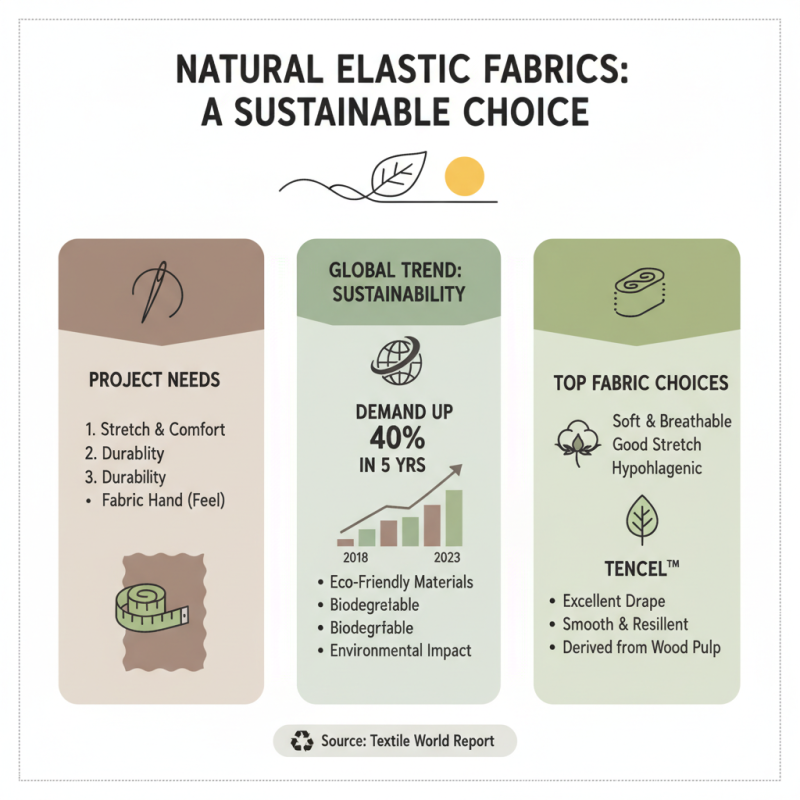
When selecting the right natural elastic fabric for your sewing projects, it’s crucial to consider the specific needs of the project and the characteristics of the fabric. According to a report by Textile World, the demand for sustainable and eco-friendly fabrics has surged by 40% over the past five years, indicating a growing awareness among consumers about the environmental impact of their choices. This trend emphasizes the importance of choosing fabrics that not only meet functional requirements but also align with sustainable practices. Natural elastic fabrics, such as those made from organic cotton or Tencel, provide excellent stretch and comfort while being biodegradable, thus catering to both performance and eco-consciousness.
In addition to sustainability, the intended use of the fabric should guide your selection process. A study conducted by the American Association of Textile Chemists and Colorists found that fabrics with higher elasticity, like those blended with spandex or elastane, perform better in activewear, offering enhanced mobility and shape retention. For projects aimed at casual wear or loungewear, softer, drapey options can enhance comfort, while more structured fabrics may be suited for formal attire. By understanding the specific demands of your sewing projects—be it durability, stretch, or sustainability—you can make informed decisions that elevate your creations to a professional standard.