How to Choose High Quality Recycled Polyester Fabric for Your Next Project
In recent years, the demand for sustainable materials in the fashion and textile industries has surged, with a particular emphasis on high-quality Recycled Polyester Fabric. According to a report by the Global Recycling Foundation, the market for recycled polyester is projected to grow significantly, driven by increasing consumer awareness and corporate responsibility initiatives. In 2022 alone, it was estimated that over 7 million tons of plastic bottles were recycled into polyester, highlighting the potential of this material to contribute to a circular economy.
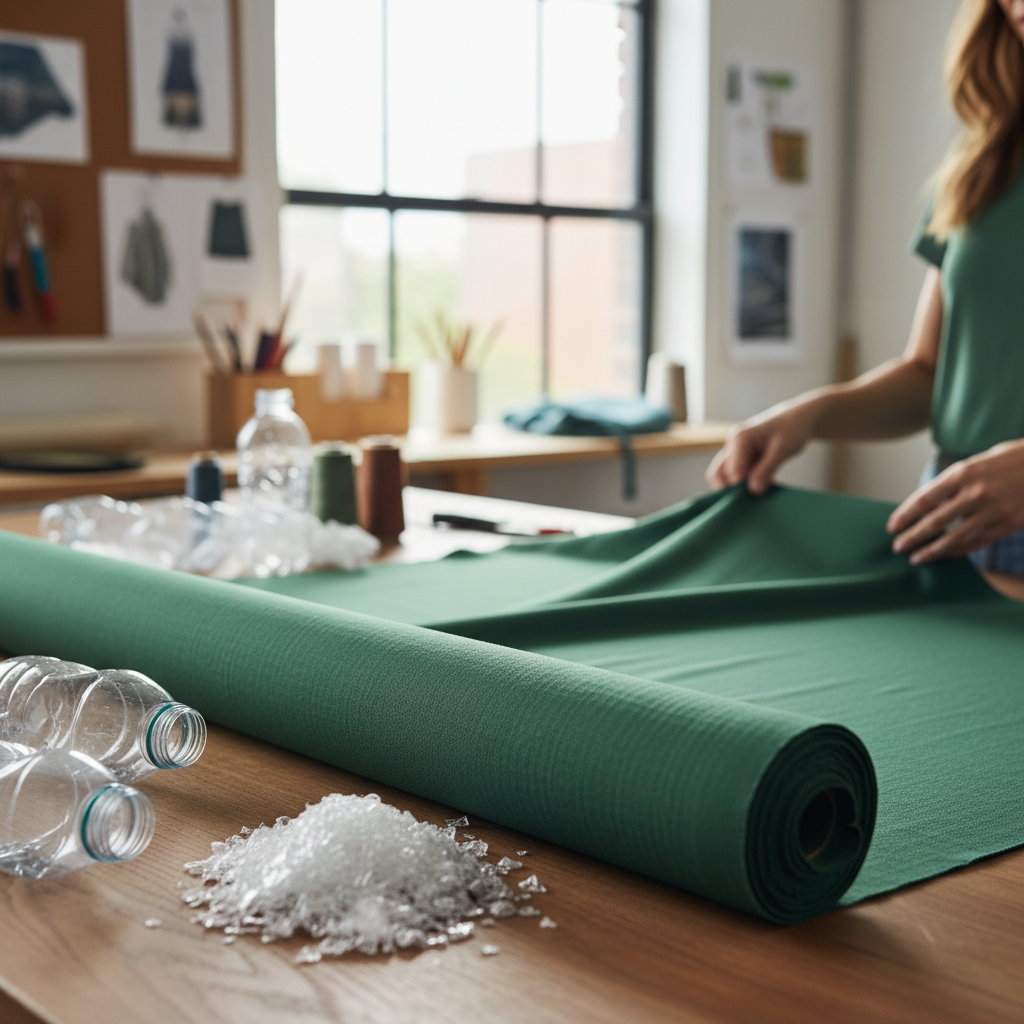
Experts in the field, such as Dr. Emily White, a sustainability consultant and textile expert, emphasize the importance of quality in recycled fabrics. She states, "Choosing high-quality Recycled Polyester Fabric not only supports environmental goals but also ensures the longevity and performance of the final product." This sentiment echoes the industry's commitment to enhancing the sustainability of textiles while maintaining the high standards that consumers expect.
As we explore how to select the best materials for your projects, understanding the attributes that define superior Recycled Polyester Fabric will be crucial in making informed decisions that benefit both your creations and the planet.
Understanding Recycled Polyester Fabric: Key Characteristics
Recycled polyester fabric, derived from post-consumer plastic waste, has emerged as a sustainable alternative in the textile industry. One of its key characteristics is its durability. This fabric is resistant to stretching and shrinking, making it suitable for various applications, from apparel to home furnishings. Additionally, recycled polyester boasts excellent moisture-wicking properties, allowing it to effectively draw moisture away from the body, which is particularly advantageous for activewear and outdoor gear.
Another important aspect of recycled polyester is its environmental impact. By utilizing recycled materials, the production of this fabric significantly reduces reliance on virgin polyester, leading to lower carbon emissions and less plastic waste in landfills. Furthermore, many recycled polyester fabrics come with certifications, ensuring that they meet specific environmental and safety standards. Understanding these key characteristics not only helps designers make informed choices but also promotes a more sustainable approach in fabric selection for future projects.
How to Choose High Quality Recycled Polyester Fabric for Your Next Project - Understanding Recycled Polyester Fabric: Key Characteristics
| Characteristic |
Description |
Benefits |
| Sustainability |
Made from recycled plastic bottles and waste materials |
Reduces landfill waste and carbon footprint |
| Durability |
Resistant to stretching, shrinking, and wrinkles |
Long-lasting fabric suitable for various applications |
| Breathability |
Allows moisture to escape, keeping you dry |
Comfortable for activewear and outdoor clothing |
| Colorfastness |
Retains color well even after washing |
Vibrant, long-lasting colors in garments |
| Care and Maintenance |
Can be machine washed and dried, easy to care for |
Convenient for everyday use |
Identifying High Quality Recycled Polyester: What to Look For
When selecting high-quality recycled polyester fabric for your next project, several key factors can help ensure your choice meets both sustainability and performance standards. First, consider the production process; high-quality recycled polyester often comes from post-consumer plastic bottles, and a report by the Textile Exchange states that using these materials can reduce carbon emissions by up to 30%. Look for certifications such as Global Recycled Standard (GRS) or Oeko-Tex, which guarantee that the fabric meets rigorous environmental and safety standards.
Tips: Always request sample swatches before making a larger purchase. This allows you to assess the fabric’s texture, durability, and color retention firsthand. Additionally, inquire about the fabric's tensile strength, as high-quality recycled polyester typically exhibits a strength rating of around 2.8 to 5.8 grams per denier.
Another important consideration is the fabric's dyeing process. Eco-friendly dyeing methods can significantly impact the sustainability of the fabric, as conventional dyeing often involves harmful chemicals and excessive water usage. According to the Sustainable Apparel Coalition, over 20% of the world's water pollution originates from textile dyeing processes. Opt for fabrics dyed using methods such as low-impact dyes, which can reduce water consumption by up to 50%.
Sourcing Ethical and Sustainable Recycled Polyester Suppliers
When embarking on a project that utilizes recycled polyester fabric, sourcing from ethical and sustainable suppliers is paramount. Begin by researching manufacturers that emphasize transparency in their production processes. Look for certifications that demonstrate adherence to environmental standards, such as Global Recycled Standard (GRS) or OEKO-TEX, which indicate that the materials are not only recycled but also produced under environmentally friendly practices. Engaging with suppliers who share their sustainability efforts will ensure that your project aligns with your values.
Next, consider the supply chain integrity of potential suppliers. Evaluate their commitment to fair labor practices and community engagement. Suppliers that prioritize ethical labor conditions can often provide stories about the artisans and workers behind their materials, offering an added layer of assurance that your sourced fabric supports both people and the planet. Request samples to assess the quality of the recycled polyester and ensure it meets the performance requirements of your project. By focusing on ethical sourcing, not only do you enhance the sustainability of your project, but you contribute to a more responsible industry overall.
Evaluating Performance and Durability of Recycled Polyester Fabric
When choosing high-quality recycled polyester fabric for your next project, it's essential to evaluate its performance and durability. One of the primary indicators of the fabric's performance is its ability to withstand various environmental conditions. Look for materials that have been treated for water resistance, UV protection, and abrasion resistance. These features not only enhance the fabric's ability to endure outdoor usage but also ensure its longevity in various applications, from fashion to home décor.
Durability is another critical factor to consider. The lifespan of recycled polyester can vary significantly based on its manufacturing process and the quality of the recycled materials used. Fabrics that have been manufactured using advanced technologies tend to exhibit superior durability, maintaining their shape and color even after multiple washes. Additionally, check for certifications and testing results that demonstrate the fabric's resilience over time. By prioritizing both performance and durability in your selection process, you can ensure that your project not only looks good but also stands the test of time.
Performance and Durability of Recycled Polyester Fabric
This chart illustrates the performance metrics of high-quality recycled polyester fabric, showcasing its tear strength, water resistance, UV resistance, and color fastness ratings. These factors are essential when evaluating the suitability of recycled polyester for various applications.
Comparing Cost and Value of High Quality Recycled Polyester Options
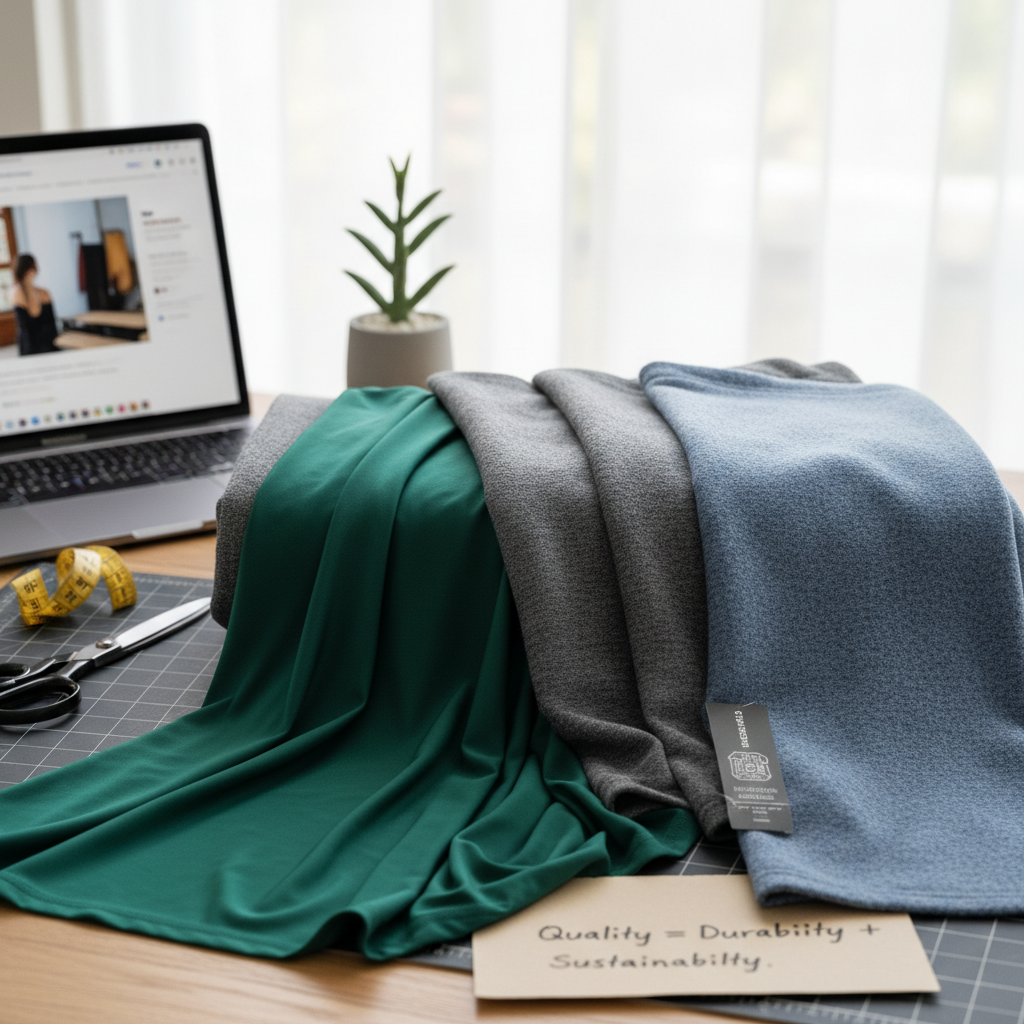
When selecting high-quality recycled polyester fabric for your next project, it's essential to compare the cost against the value it brings. High-quality options might come with a higher price tag upfront, but they often result in better performance, durability, and sustainability, ultimately lowering your costs over time. Additionally, investing in recycled polyester helps reduce environmental impact, making your projects not just trendy but eco-conscious.
Tips: When evaluating recycled polyester, consider certifications like Global Recycled Standard (GRS) or OEKO-TEX, which indicate that the fabric meets specific sustainability and safety standards. Another tip is to look for suppliers that provide transparent information about their manufacturing processes; this can give you confidence in the quality and recyclability of the fabric.
Moreover, balance your project requirements with your budget. It’s possible to find affordable yet high-quality recycled polyester options by shopping around and comparing different suppliers. Don't hesitate to request samples before committing to a bulk order, as this allows you to assess the texture, weight, and overall feel of the fabric, ensuring it meets your project's needs.