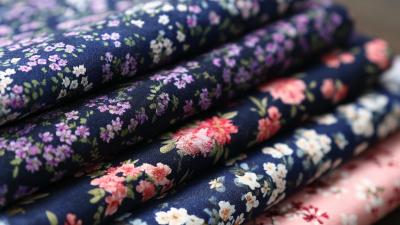
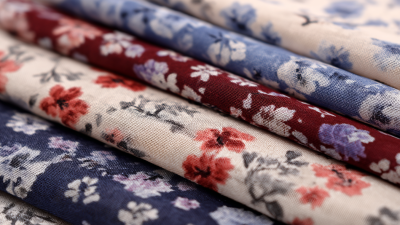
Why Choose Georgette Digital Print Fabric for Your Next Fashion Project?
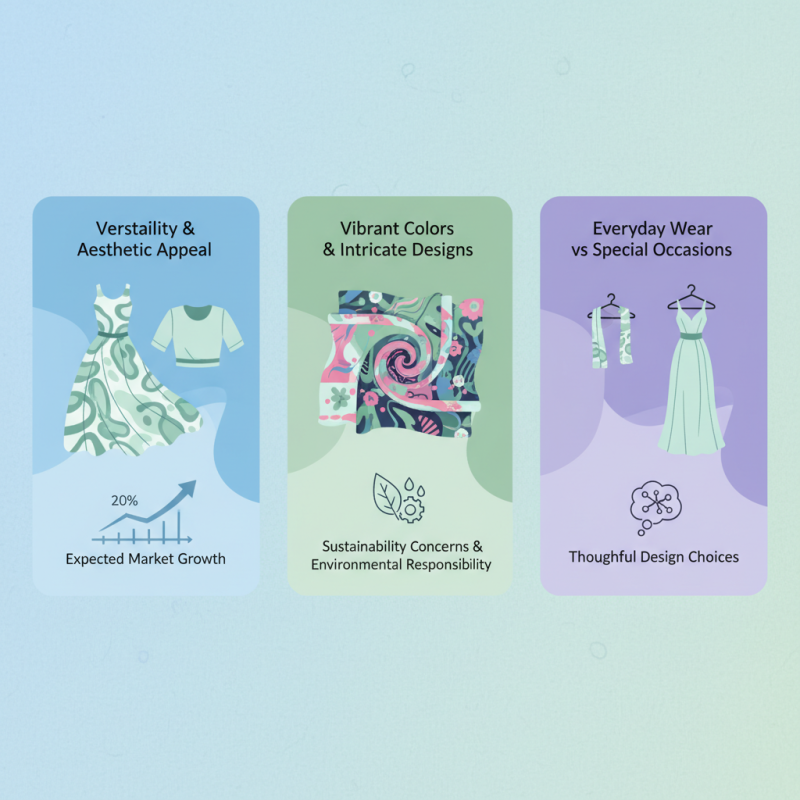
Georgette Digital Print Fabric has rapidly gained popularity in the fashion industry. According to recent market analysis, the demand for digital print textiles is expected to grow by 20% over the next five years. This surge can be attributed to the fabric's versatility and unique aesthetic appeal. Designers increasingly seek innovative materials to differentiate their collections.
The beauty of Georgette lies in its lightweight and flowy nature. This makes it perfect for creating elegant dresses, blouses, and scarves. The digital printing technology allows for vibrant colors and intricate designs that can truly captivate an audience. However, the sustainability of these printing processes remains a concern. Brands must balance creativity with environmental responsibility.
In a landscape rich with options, Georgette Digital Print Fabric stands out. Yet, some may overlook its potential simply due to its delicate nature. It’s essential for designers to consider the garment's end-use. Are these fabrics suitable for everyday wear, or do they cater to special occasions? Reflecting on these questions can lead to more thoughtful design choices.
Benefits of Georgette Digital Print Fabric in Fashion Design
Georgette digital print fabric is a popular choice among fashion designers. Its unique texture adds movement and drape to garments. The fabric's lightweight nature allows for comfortable wear, making it ideal for dresses and blouses. With vibrant digital prints, designers can create eye-catching patterns. This diversity enhances creativity in design, offering limitless possibilities.
Working with Georgette can be challenging. The fabric can slip during cutting and sewing, leading to uneven edges. It requires careful handling and precision. Mistakes can be costly. However, mastering these techniques can lead to stunning results. The variety of color options in digital prints makes it easier to find the perfect match for any design theme.
Another benefit is its versatility. Georgette can be used for casual wear or formal occasions. It drapes beautifully, enhancing the silhouette. Many designers appreciate how it can elevate a simple design. Yet, it sometimes doesn't hold its shape well, which can be frustrating. Finding the right balance between structure and flow is essential for successful creations.
Why Choose Georgette Digital Print Fabric for Your Next Fashion Project? - Benefits of Georgette Digital Print Fabric in Fashion Design
| Feature |
Description |
Benefits |
| Lightweight |
Georgette fabric is known for its sheer and light texture. |
Ideal for layering and creating volume in garments. |
| Digital Print Capability |
Allows for intricate and vibrant designs to be printed directly onto the fabric. |
Enables unique, customizable designs for fashion pieces. |
| Soft Texture |
Georgette has a soft and flowing feel against the skin. |
Provides comfort for the wearer, making it suitable for various garments. |
| Versatility |
Can be used for a variety of clothing items such as dresses, blouses, and scarves. |
Works well in different fashion styles, from casual to formal wear. |
| Drape Quality |
Excellent drape that enhances the silhouette of a garment. |
Creates flattering fits and movement in designs. |
Key Characteristics of Georgette Fabric in the Fashion Industry
Georgette fabric has gained popularity in the fashion world for its unique characteristics. Made from twisted yarns, it exhibits a lightweight drape. This feature allows garments to flow beautifully, making it ideal for dresses and skirts. The delicate texture enhances elegance, creating an appealing silhouette. It feels soft against the skin, yet maintains its structure well.
In addition to its aesthetic qualities, Georgette is versatile. It can be easily printed, allowing for vibrant designs. These prints can be bold or subtle, catering to various fashion styles. However, working with Georgette can be tricky. Its slippery nature might pose challenges during cutting and sewing. Designers often find it requires more care to avoid mistakes. Despite these hurdles, the fabric's breathability makes it perfect for warm weather.
Many appreciate Georgette's ability to blend with other materials, adding an interesting layer to outfits. While it may not be the easiest fabric to handle, its charm is undeniable. Embracing the quirks of Georgette can lead to stunning fashion outcomes. The journey might involve a bit of trial and error, but the results often make the effort worthwhile.
Key Characteristics of Georgette Digital Print Fabric in the Fashion Industry
Market Trends for Digital Print Fabrics: A Focus on Georgette
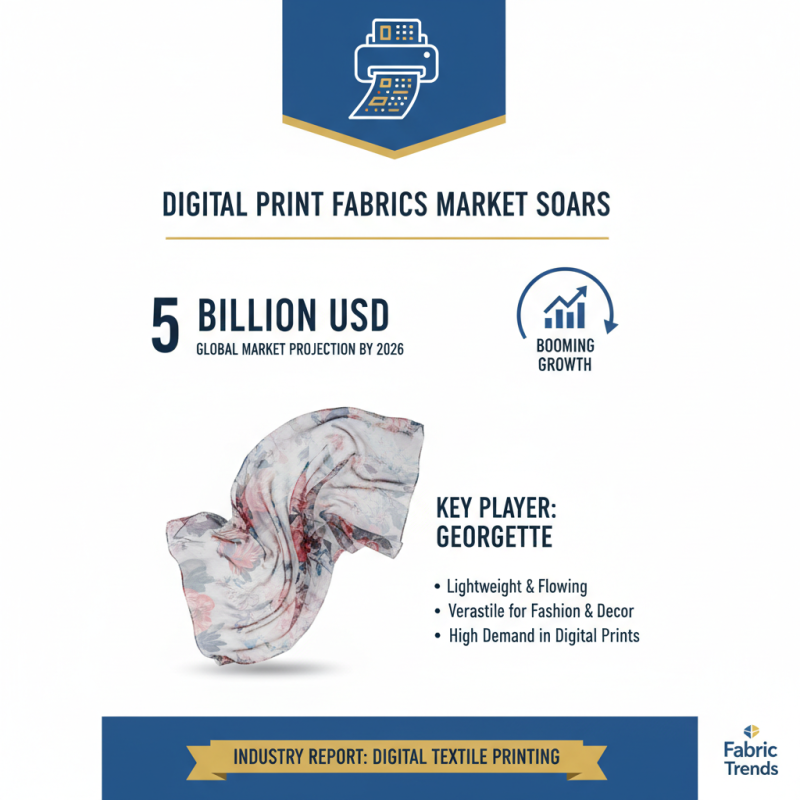
The market for digital print fabrics is booming. Georgette, known for its lightweight and flowing nature, is a key player. According to a recent industry report, the global digital textile printing market is projected to reach $5 billion by 2026, with a significant portion attributed to digital print fabrics like Georgette.
Consumers are seeking unique and custom designs. Georgette fabric allows for vibrant colors and intricate patterns, making it perfect for fashion-forward pieces. Research shows that 70% of designers prefer digital printing for its versatility. However, the production process can be wasteful. Many prints don't meet expectations, leaving designers with leftover fabric and unsold items.
Sustainability is also a concern. Reports indicate that digital printing reduces water usage by 30-50%. Despite this, some still question its long-term environmental impact. Designers find themselves grappling with balancing creativity and ethical practices. The decision to choose Georgette digital print fabric should consider both the aesthetic appeal and these pressing challenges in the fashion industry.
Sustainability and Eco-Friendliness of Georgette Print Fabrics
Georgette digital print fabric has gained attention for its sustainability. Unlike many textiles, it is often made from eco-friendly materials. These fabrics can reduce the environmental impact of fashion projects. This means fewer harmful chemicals and reduced waste. The digital printing process also minimizes ink usage, making it a greener option.
Eco-friendliness extends to sourcing as well. Many manufacturers are now committed to sustainable practices. They focus on responsible production methods, reducing energy consumption. This can lead to a smaller carbon footprint. However, not all suppliers maintain these standards. It's essential to research fabric sources. Some may still use conventional methods, which may not be so eco-friendly.
Choosing Georgette digital prints can reflect a commitment to sustainability. Many designers are making conscious choices to help the planet. Yet, the availability of truly eco-friendly options can be limited. There is still much to learn about sourcing and production. Understanding these challenges is key to making better choices in fashion projects.
Case Studies: Successful Fashion Projects Using Georgette Digital Prints
Georgette digital print fabric has become a favorite choice among fashion designers. Its lightweight and flowing nature brings garments to life. Case studies illustrate how this fabric has been used in various successful projects, showcasing its versatility and aesthetic appeal.
One notable project featured a vibrant summer dress created by a group of emerging designers. They experimented with bold floral patterns that captured the season's spirit. The flowing fabric draped beautifully, enhancing the overall silhouette. However, they faced challenges with color saturation, learning to balance vibrant hues with fabric quality. This experience taught them that digital prints can vary, requiring careful selection and testing.
Another case involved a unique line of activewear. Designers focused on playful geometric patterns, appealing to a younger audience. The combination of comfort and style was key to success. Yet, they struggled with fabric durability during production. This prompted them to re-evaluate their printing techniques. The journey revealed that innovation often comes with obstacles that can lead to improvement.