Why Choose Dyed Yarn Cotton Fabric for Your Fashion and Textile Needs
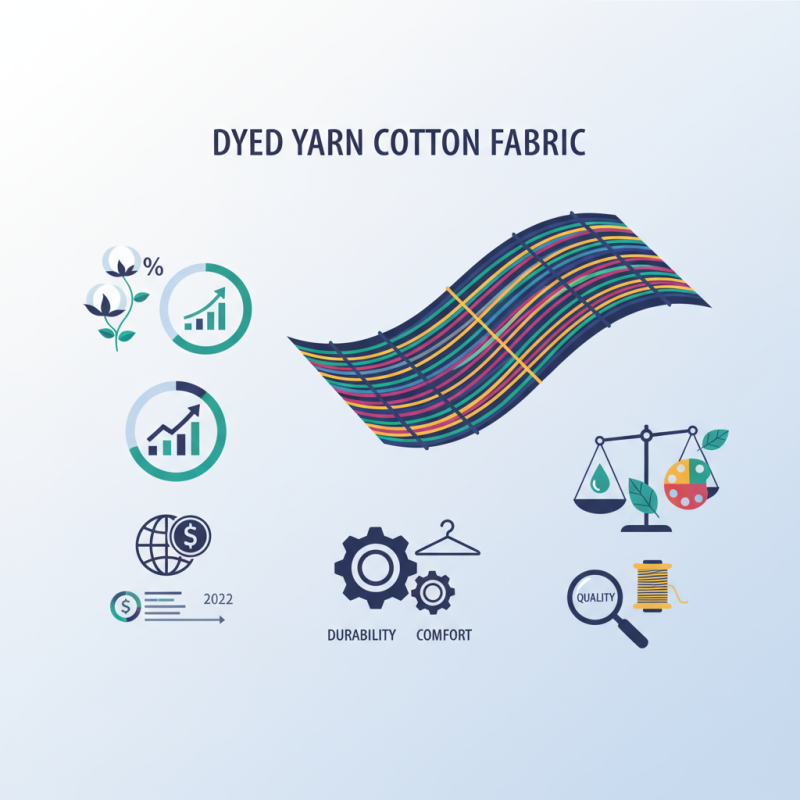
In the world of textiles, choosing the right materials is crucial for fashion designers and manufacturers. Dyed Yarn Cotton Fabric stands out as a versatile option. This fabric not only offers vibrant colors but also provides durability and comfort. According to a recent industry report by Textile World, the demand for dyed cotton fabrics has increased by 15% over the last five years. This growth signals a shift in consumer preferences toward colorful, quality textiles.
Furthermore, the global cotton market is projected to reach a value of $50 billion by 2025, with dyed cotton fabrics playing a significant role. Their ability to blend seamlessly into various fashion styles makes them essential for both casual and formal wear. However, it is essential to recognize that not all dyed yarns are created equal. Quality can vary greatly among suppliers. Choosing a reputable provider is crucial for maintaining consistency in color and texture.
Despite these advantages, some challenges remain. The dyeing process can sometimes lead to environmental concerns, requiring careful consideration from brands. Balancing vibrant aesthetics with sustainable practices remains a critical issue. Yet, when chosen wisely, Dyed Yarn Cotton Fabric can elevate any fashion line, marrying aesthetics with functionality.
Benefits of Dyed Yarn Cotton Fabric for Fashion Applications
Dyed yarn cotton fabric offers numerous advantages for fashion applications. Its vibrant colors allow designers to capture trends effectively. According to a recent industry report, dyed cotton can enhance garment appeal by up to 30%. This increase in visual interest often translates to higher sales and customer satisfaction.
Moreover, dyed yarn cotton provides excellent versatility. It readily adapts to various fabric constructions, making it suitable for everything from casual wear to high-fashion items. Studies show that consumers prefer fabrics that feel soft and breathable. Dyed yarn cotton meets these criteria, ensuring comfort without sacrificing style.
Yet, there are challenges. The dyeing process can involve water and chemicals, raising sustainability concerns. Some brands struggle to balance vibrant colors with eco-friendly practices. Consequently, the industry is encouraged to explore innovative solutions. For instance, organic dyes offer a potential pathway, though not all colors are easily achievable. Striking that balance remains an ongoing challenge for designers and manufacturers alike.
Durability and Versatility of Dyed Yarn Cotton in Textiles
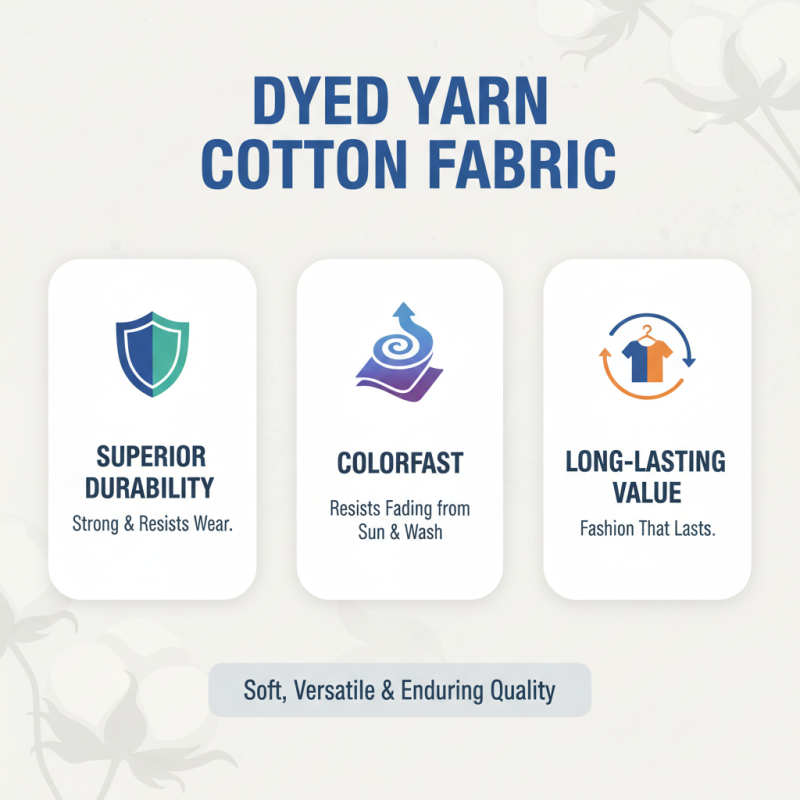
Dyed yarn cotton fabric stands out for its durability and versatility. This fabric is strong yet soft, making it a favorite in various textile applications. It maintains its color well, resisting fading from sunlight and washing. This durability ensures that your fashion pieces last longer, providing great value for your investment.
When choosing dyed yarn cotton, consider its adaptability. This fabric can be used for everything from casual wear to elegant garments. It drapes beautifully and is breathable, perfect for different seasons. Additionally, it is easy to work with for both sewing enthusiasts and professional designers. The richness of dyed colors adds character to any creation, drawing attention.
**Tips:** Always pre-wash your dyed fabric to remove excess dye. This helps prevent color bleed in future washes. Choose high-quality dyeing methods for better longevity. If you're unsure about color combinations, experiment with swatches. This way, you can avoid mismatched designs.
Creative Color Options: Enhancing Design with Dyed Yarn Cotton
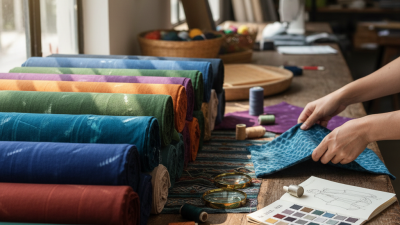
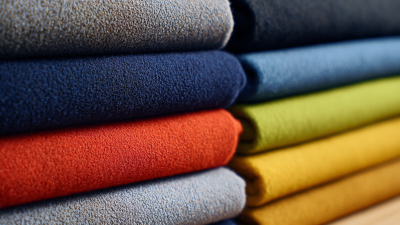
Dyed yarn cotton fabric offers a vibrant palette for fashion and textile design. The rich colors attract the eye immediately. From bold reds to soft pastels, the options are endless. Each hue can communicate unique emotions and themes in your designs. Think about how a striking blue can evoke calmness, while a fiery orange can energize.
The creative potential with dyed yarn is significant. Colors can blend, complement, or contrast in appealing ways. Designers can experiment with different patterns and textures. However, achieving the right shade can be challenging. Sometimes, the final product doesn't match the original vision. Variations during dyeing can lead to unexpected results. This can be frustrating but also leads to creative growth.
Being open to imperfections allows for innovation. Each piece can tell a story through its color and texture. Embracing oddities can lead to unique designs. Remember, not every color scheme will resonate. Some may flop. Yet, these experiences refine your creative process. Ultimately, dyed yarn cotton fabric brings life to your textile projects. It invites you to explore and redefine fashion boundaries.
Why Choose Dyed Yarn Cotton Fabric for Your Fashion and Textile Needs
| Color Options |
Fabric Weight (GSM) |
Applications |
Durability |
| Bright Red |
200 GSM |
Clothing, Home Textiles |
High |
| Ocean Blue |
180 GSM |
Fashion Apparel |
Medium-High |
| Sunny Yellow |
220 GSM |
Bags, Accessories |
High |
| Forest Green |
210 GSM |
Outdoor Gear |
Medium |
| Soft Pink |
190 GSM |
Children's Clothing |
Medium |
Sustainability Considerations in Dyed Yarn Cotton Fabric Choices
Dyed yarn cotton fabric is increasingly popular for its sustainability benefits. Approximately 60% of the world's cotton is now dyed using eco-friendly methods. These methods reduce water usage significantly compared to traditional dyeing processes. Recent reports indicate that these sustainable practices can cut water consumption by up to 50%. This conservation is critical, considering the fashion industry's water footprint.
Another consideration is the impact of dye chemicals on the environment. Traditional dyeing often involves harmful substances, affecting both water sources and ecosystems. By choosing dyed yarn cotton fabric, consumers can minimize these risks. Studies show that opting for environmentally friendly dyes can decrease pollution levels dramatically. Yet, challenges remain. Many brands still rely on cheap dyes that are not eco-conscious, prompting a call for more transparent sourcing.
Beyond just the materials, we must reflect on production ethics. The cotton industry has a mixed record on labor rights. While some growers adopt fair trade principles, others do not. This variance raises questions about the true sustainability of dyed yarn cotton fabrics. There is work to do in ensuring that sustainability encompasses not just environmental factors, but also social implications. Thoughtful choices are vital in the quest for a responsible fashion future.
Care and Maintenance Tips for Dyed Yarn Cotton Fabrics
Caring for dyed yarn cotton fabrics requires extra attention. The vibrant colors can fade over time if not maintained properly. Washing in cold water is essential—hot water can ruin those beautiful shades. Use a gentle detergent, as harsh chemicals might cause colors to bleed. Avoid fabric softeners; they can dull the lustrous finish.
Drying dyed yarn cotton should be done with caution. Instead of using a dryer, air-drying is preferred. Hang the fabric in a shaded area to protect it from direct sunlight. Sunlight can bleach out the colors, leaving uneven patches. If ironing is necessary, use low heat to avoid scorching. Test a small corner first; not all fabrics respond the same way.
Storing your dyed yarn cotton fabric also matters. Fold it neatly and avoid hanging it for long periods. Hanging might stretch out the fabric and change its shape. If you notice any stains, treat them immediately to prevent permanent marks. It’s easy to forget about small details. Regular maintenance helps preserve the fabric’s beauty and longevity.
Benefits of Dyed Yarn Cotton Fabrics
This bar chart illustrates the benefits of using dyed yarn cotton fabrics in terms of softness, durability, color fastness, breathability, and versatility. Each dimension is rated out of 10, demonstrating why dyed yarn cotton is a favorable choice for fashion and textile needs.