Why Choose Dyed Woven Fabric for Your Next Purchase?
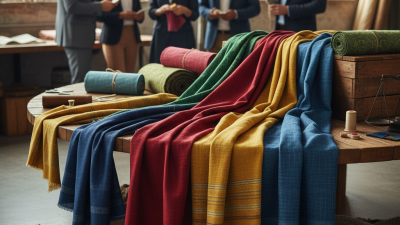
In the ever-evolving textile industry, the versatility of Dyed Woven Fabric stands out. This material has gained significant traction in recent years, with market reports indicating a growth rate of 5.2% annually. According to Sarah Peterson, a textile industry expert, "Dyed Woven Fabric offers both aesthetic appeal and durability, making it a top choice for consumers."
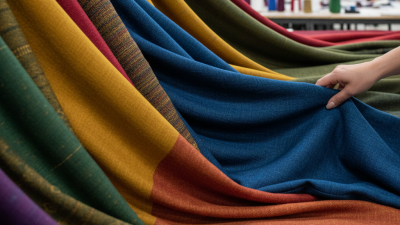
The vibrant colors and intricate patterns of Dyed Woven Fabric can enhance the visual impact of any product. It is widely used in clothing, upholstery, and home textiles. However, the production process can be resource-intensive, raising concerns about sustainability. Balancing creativity and environmental responsibility is crucial in utilizing Dyed Woven Fabric effectively.
Moreover, while the advantages of Dyed Woven Fabric are notable, one must consider the potential for fading over time. The longevity of the dye is dependent on several factors, including exposure to light. Buyers should weigh the pros and cons before making a decision. It is essential to engage with reputable suppliers who prioritize quality and sustainability to ensure a satisfactory purchase.
Benefits of Dyed Woven Fabric in Various Applications
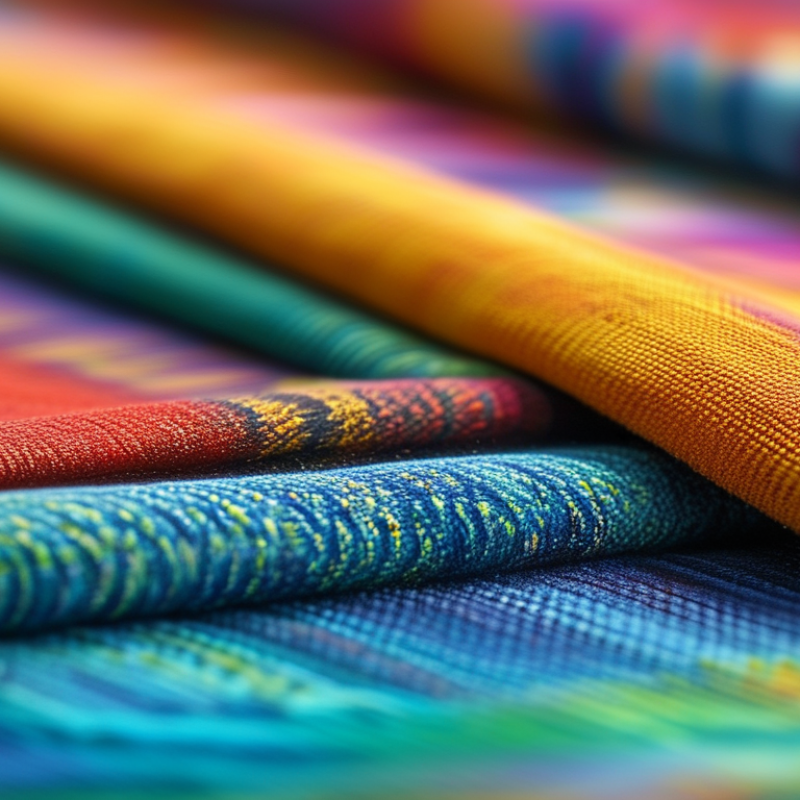
Dyed woven fabric is gaining popularity across various industries. This material combines vibrant colors with intricate textures, leading to aesthetic appeal in products. Whether used in fashion or home décor, dyed woven fabric transforms ordinary items into eye-catching pieces.
In clothing, manufacturers appreciate its durability and rich color retention. This ensures that garments maintain their appearance after multiple washes. Woven fabric offers flexibility, making it suitable for different styles and fits. While the initial production may involve a more complex process, the end results often outweigh these challenges, leading to consumer satisfaction.
Beyond fashion, dyed woven fabric is also widely used in furnishings. The unique patterns and colors allow designers to create personalized home environments. However, achieving the right dye balance can be tricky and may require several iterations. This trial-and-error process can be frustrating, but it often leads to innovative designs that stand out in the market.
Key Characteristics of Dyed Woven Fabric to Consider
Dyed woven fabric offers a unique blend of qualities that make it a solid choice for your next project. One key characteristic is its color fastness. According to the American Association of Textile Chemists and Colorists, dyed fabrics can retain up to 90% of their original color after multiple washes, ensuring longevity. This is particularly important in applications where exposure to sunlight and water can fade materials quickly.
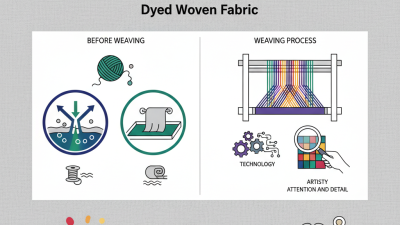
The durability of dyed woven fabric is another aspect to consider. Industry reports indicate that woven fabrics generally exhibit higher tensile strength compared to knitted alternatives. This means they can withstand stress without tearing or degrading. The complexity of the weaving process contributes to this strength, which makes it suitable for various uses, including upholstery and activewear.
However, not all dyed fabrics are created equal. Variability in dyeing methods can lead to inconsistencies in texture and color throughout the fabric. Some weavers may also utilize lower-quality dyes that may bleed or fade over time. So, it's essential to prioritize quality verification. Furthermore, understanding certifications, such as Oeko-Tex, can help you ensure the safety and environmental compliance of the fabric you choose.
Comparative Analysis: Dyed Woven Fabric vs. Other Textiles
Dyed woven fabric stands out in the textile market for its vibrant colors and durability. When comparing it to other textiles, such as knits and non-woven fabrics, one can easily see the advantages. Woven fabrics offer a tightly interlaced structure, which generally results in greater strength. This quality makes them ideal for heavy-duty applications like upholstery and outdoor gear.
On the other hand, while knits provide stretch and comfort, they often lack the resilience of woven fabrics. Non-woven options, like felt, may be easier to produce but fall short in long-lasting wear. Interestingly, dyed woven fabrics can feature intricate patterns that add aesthetic value, making them suitable for fashion and home décor. However, achieving the desired color requires careful dyeing techniques; inconsistencies can arise if not done correctly.
Many consumers may not realize that maintenance is also a factor. Dyed woven fabrics tend to hold colors better over time, but improper washing can lead to fading. Ensuring the right washing techniques are used is crucial for preserving their vibrant look. Considering these aspects helps in making informed choices and evaluating the best options available in the textile market.
Sustainability Aspects of Using Dyed Woven Fabric
The choice of dyed woven fabric for your next project can reflect a commitment to sustainability. These fabrics are often made from natural fibers, which have a lower environmental impact compared to synthetic options. When dyed using eco-friendly methods, they contribute less harmful chemicals to the environment. That’s a significant step towards a greener future.
However, the dyeing process can impact the sustainability narrative. Some dyes are made from toxic substances, which can harm ecosystems. It’s important to research the dyeing process used. Choosing organic dyes or natural alternatives can minimize this negative effect. Transparency in production methods is essential.
Moreover, dyed woven fabric is durable and often recyclable. This longevity reduces waste and the need for frequent replacements. A fabric that lasts is a fabric that makes an environmentally responsible statement. It invites consumers to reflect on their choices. Each purchase is an opportunity to support sustainable practices in the textile industry.
Tips for Selecting High-Quality Dyed Woven Fabric for Your Needs
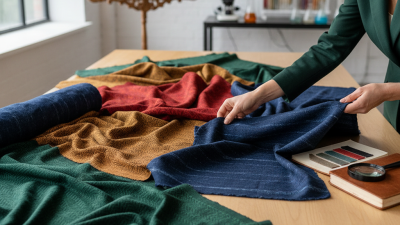
When selecting dyed woven fabric, it’s essential to focus on the quality. Begin by examining the fabric’s weave. A tighter weave often indicates durability. Pay attention to the texture. Fabrics with a smooth finish usually look more polished and luxurious. However, don't overlook those with a slightly rough texture; they can also offer unique aesthetic appeal.
Colorfastness is another critical factor. Conduct a simple test by rubbing a white cloth on the dyed fabric. If color transfers, it may fade quickly. Be wary of overly vibrant colors, as they can indicate synthetic dyes that may not hold up well over time. Feel the fabric weight; lightweight options can be great for summer, but consider heavier choices for winter garments.
Selecting the right dyed woven fabric can be challenging. It’s important to trust your instincts while being aware of your needs. While patterns can be eye-catching, subtle designs often provide versatility. The perfect fabric aligns with your style and usage. Remember, not every fabric that looks good is suitable for your project. Reflect on your choices, and do not rush. Quality matters more than trends.
Why Choose Dyed Woven Fabric for Your Next Purchase? - Tips for Selecting High-Quality Dyed Woven Fabric for Your Needs
| Feature |
Description |
Selection Tips |
| Colorfastness |
The ability of the fabric to retain its color after washing and exposure to light. |
Look for fabrics tested for colorfastness ratings (A, B, C). |
| Texture |
Refers to the surface feel of the fabric, which can range from smooth to coarse. |
Feel the fabric before purchasing to ensure it meets your comfort level. |
| Durability |
The longevity of the fabric under normal wear and tear conditions. |
Check the fabric weight and weave for signs of strength. |
| Breathability |
The ability of the fabric to allow air circulation, impacting comfort. |
Choose natural fibers like cotton or linen for better breathability. |
| Shrink Resistance |
The degree to which a fabric retains its size after washing. |
Look for pre-shrunk fabrics or those labeled as shrink-resistant. |
| Sustainability |
Refers to environmentally friendly production practices of the fabric. |
Opt for certifications like OEKO-TEX or GOTS for eco-friendly options. |