2025 How to Choose the Best Recycled Pet Fabric for Sustainable Fashion
As the fashion industry increasingly embraces sustainability, the choice of materials plays a crucial role in the movement towards eco-friendly practices. One standout option in this realm is Recycled Pet Fabric, a material derived from post-consumer plastic bottles that have been transformed into high-quality textiles. With growing awareness of environmental issues, consumers are striving to make informed choices that not only enhance their wardrobes but also contribute positively to the planet. In this context, understanding how to select the best Recycled Pet Fabric becomes essential for those committed to sustainable fashion.
Choosing the right Recycled Pet Fabric involves considering various factors, including durability, texture, and environmental impact. Not all recycled fabrics are created equal; thus, discerning buyers must evaluate the manufacturing processes and certifications that ensure eco-friendly practices. This guide aims to assist fashion enthusiasts, designers, and eco-conscious consumers alike in navigating the options available in the market. By making informed decisions, we can collectively foster a fashion ecosystem that prioritizes sustainability while also celebrating the creativity and innovation that recycled materials can bring to our wardrobes.

Understanding Recycled PET Fabric: Types and Sources
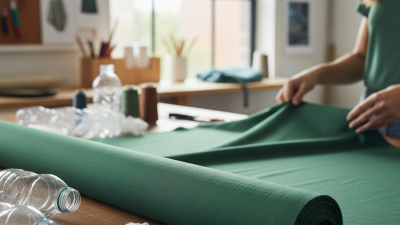
Recycled PET (rPET) fabric has emerged as a pivotal player in the move towards sustainable fashion. Understanding the various types and sources of recycled PET fabric is essential for making informed choices that promote environmental responsibility. rPET is primarily produced from recycled plastic bottles and containers, which are collected, cleaned, and processed into new fibers. This not only helps reduce plastic waste but also conserves energy and resources compared to virgin polyester production.
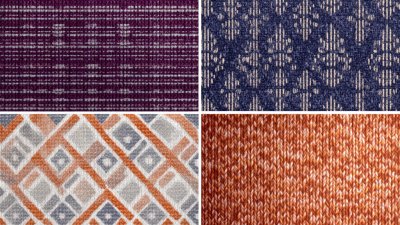
There are various types of recycled PET fabrics, including woven, knitted, and blended variations, each catering to different fashion needs. Some fabrics may incorporate a mix of rPET with organic cotton or other materials to enhance comfort and breathability. Additionally, the production processes can vary, affecting the fabric's performance characteristics like durability, moisture-wicking, and stretchability. By opting for rPET fabrics, designers and consumers can significantly lessen their carbon footprint and support a circular economy, where materials are reused and repurposed, minimizing the need for new resources.
Key Factors to Consider When Choosing Recycled PET Fabric
When selecting recycled PET fabric for sustainable fashion, several key factors must be considered to ensure that the choice aligns with both ecological goals and consumer expectations. One of the primary aspects is the sourcing and quality of the recycled material.
 According to a report by the Textile Exchange, the global market for recycled polyester is projected to reach 1.5 million metric tons by 2025, showcasing the growing emphasis on using post-consumer plastics in textile production. It is essential to verify that the recycled fabric is made from bottles or other plastic waste that would otherwise contribute to landfill.
Another critical factor is the environmental impact of the manufacturing process. The production of recycled PET fabric considerably reduces greenhouse gas emissions, with studies indicating that producing recycled polyester can save up to 70% in carbon emissions compared to virgin polyester. Additionally, attention should be given to certifications such as Global Recycled Standard (GRS) or Oeko-Tex, which ensure that the fabric meets rigorous environmental and social criteria throughout its production. By prioritizing these factors, brands can make informed decisions that support a more sustainable fashion industry.
Evaluating Quality and Durability of Recycled PET Fabrics
When choosing recycled PET fabric for sustainable fashion, evaluating its quality and durability is paramount. High-quality recycled PET fabrics are sourced from post-consumer plastics, ensuring not only environmental responsibility but also the potential for lasting performance. One key indicator of quality is the fabric’s texture and feel; softer, well-processed materials provide comfort while maintaining their structural integrity. Additionally, a fabric that demonstrates consistency in weave and color often suggests a more thorough recycling process, which can translate to fewer defects and a more reliable product.
Durability is another critical aspect to consider. The resilience of recycled PET fabrics can be assessed through various tests, such as abrasion resistance and tensile strength. Fabrics that can endure regular wear and tear while retaining their original appearance and functionality are ideal for sustainable fashion applications. Furthermore, examining the care instructions can offer insights into the longevity of the fabric; materials that require minimal maintenance and are resistant to fading or pilling may provide greater value over time. By prioritizing quality and durability in recycled PET fabrics, designers and consumers can contribute to more sustainable fashion practices while also ensuring that garments meet practical everyday needs.
2025 How to Choose the Best Recycled Pet Fabric for Sustainable Fashion - Evaluating Quality and Durability of Recycled PET Fabrics
| Fabric Type |
Recycled Content (%) |
Durability (Cycles) |
Water Resistance |
Breathability |
Price per Yard |
| Standard Recycled PET |
100% |
50,000 |
Yes |
Moderate |
$6.00 |
| High-Performance Recycled PET |
90% |
100,000 |
Yes |
High |
$10.00 |
| Eco-Friendly Blend |
80% |
40,000 |
No |
High |
$5.50 |
| Lightweight Recycled PET |
100% |
30,000 |
No |
Moderate |
$4.00 |
Sustainability Certifications and What They Mean for Consumers
In the quest for sustainable fashion, understanding sustainability certifications is crucial for consumers looking to make responsible choices. These certifications, such as Global Recycled Standard (GRS) and OEKO-TEX, provide assurance that products meet stringent environmental and social management criteria. According to the Textile Exchange, the use of recycled materials in fabrics can reduce greenhouse gas emissions by up to 70% compared to conventional textiles. For consumers, these certifications serve as a reliable benchmark for assessing a product's sustainability credentials.
When shopping for recycled PET fabrics, be on the lookout for key certifications that indicate a commitment to environmental impact. For instance, the GRS ensures recycled content and responsible production processes, while OEKO-TEX verifies that textiles are free from harmful substances. By prioritizing products with these labels, consumers can support companies that are genuinely contributing to a reduced ecological footprint.
Tips: Always check the certification details on product labels; not all labels imply the same level of sustainability. Additionally, consider the entire lifecycle of the fabric, from production to disposal. Opting for certified recycled PET fabrics is a smart way to contribute to a circular economy, realizing the importance of responsible production practices in the fashion industry.
Innovative Brands Leading the Way in Recycled PET Fashion
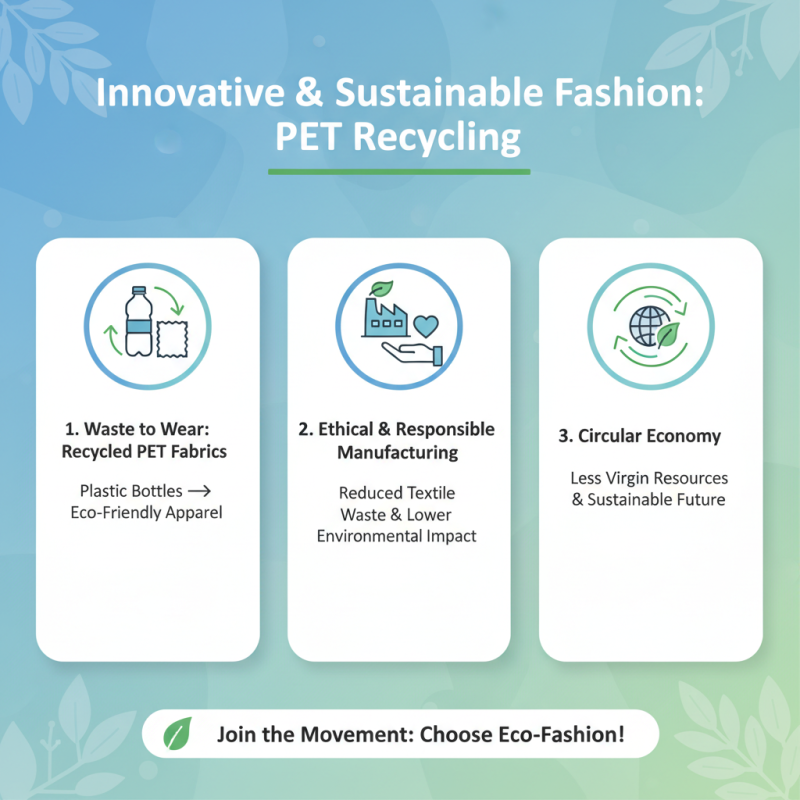
Innovative brands are paving the way in sustainable fashion by embracing recycled PET fabrics, creatively transforming waste into stylish, eco-friendly apparel. These brands focus on not only reducing textile waste but also ensuring that their manufacturing processes are ethical and environmentally responsible. By utilizing materials sourced from plastic bottles and other discarded products, they contribute to a circular economy that minimizes reliance on virgin resources, thus reducing environmental impact.
The commitment to sustainability doesn’t stop at material sourcing; these brands are also investing in technology and design to enhance the functionality and appeal of recycled fabrics. Through advanced production techniques, they are able to create high-quality garments that rival traditional materials in comfort and durability. Additionally, they often prioritize transparency in their supply chains, allowing consumers to make informed choices about their purchases. This progression towards innovative practices reflects a growing consumer demand for environmentally conscious products, showcasing how fashion can lead change in addressing global waste issues.