How to Choose the Best Elastic Tulle Fabric for Your Creative Projects
When embarking on a creative project, selecting the right materials is as crucial as the design itself. One fabric that has gained immense popularity among crafters and designers alike is Elastic Tulle Fabric. Known for its versatility and unique texture, this lightweight netting can be used in a variety of applications, from whimsical costumes to elegant wedding decor. However, with so many options on the market, how do you choose the best Elastic Tulle Fabric for your specific needs?
In this guide, we will break down the key features to look for when selecting Elastic Tulle Fabric, including elasticity, opacity, and color variety. Understanding these characteristics will not only elevate your projects but also ensure that you achieve the desired aesthetic and functionality. Whether you are a seasoned designer or a DIY enthusiast, this comprehensive overview of the top choices in 2025 will empower you to make informed decisions and bring your creative visions to life with the most suitable Elastic Tulle Fabric.
Understanding the Different Types of Elastic Tulle Fabrics Available
When selecting the best elastic tulle fabric for your creative projects, it’s crucial to understand the different types available. Elastic tulle comes in various compositions, weights, and finishes. For instance, nylon tulle is lightweight and offers excellent elasticity, making it ideal for garments that require flexibility. On the other hand, polyester tulle is slightly more durable and resistant to wrinkles, perfect for costuming and crafts.
Tip: Always check the stretch percentage of the fabric before purchasing. A higher stretch percentage ensures that the fabric can accommodate different designs and fits comfortably. Additionally, consider the texture of the tulle, as some may be softer and easier to work with, while others may have a stiffer feel that is better for structured designs.
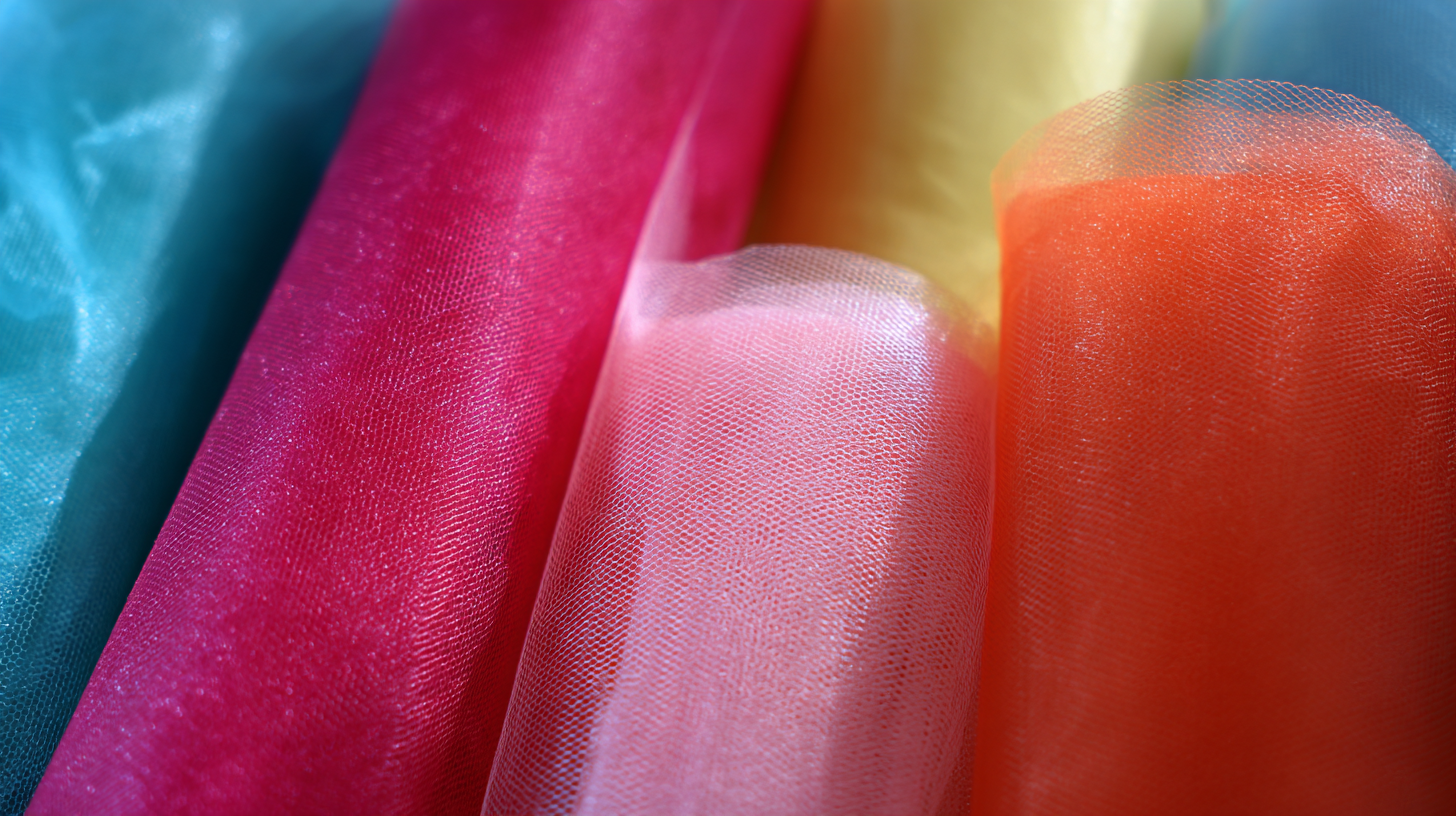
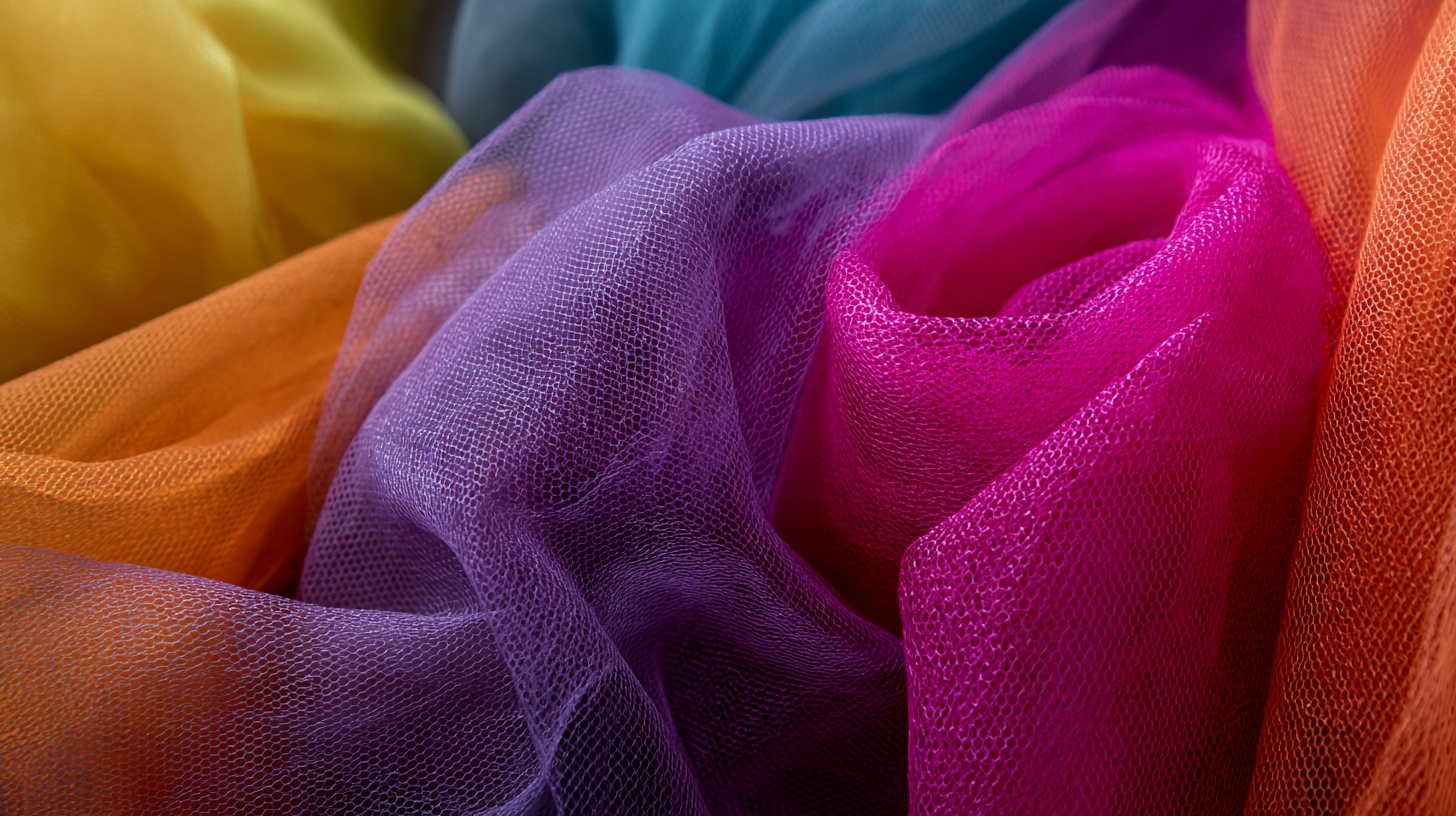
Another consideration is the color availability. While traditional tulle comes in neutral tones, many manufacturers now offer vibrant colors that can enhance your projects. It’s important to remember that while elastic tulle is versatile, the color may also affect how you work with the fabric. Some colors may require additional lining or backing to prevent sheerness.
Tip: When working with colored tulle, always test a small sample to see how it appears in your final project. This way, you can ensure that the shade complements your entire design without any surprises.
Factors to Consider When Selecting Elastic Tulle for Specific Projects
When selecting elastic tulle fabric for your creative projects, several key factors must be considered to ensure optimal results. First, think about the elasticity and stretch of the fabric. Different projects require varying degrees of flexibility; for instance, apparel such as dancewear or costumes often benefit from high elastic recovery, allowing for comfortable movement. Conversely, if the fabric is intended for decorative purposes, like overlays or wedding veils, a fabric with moderate stretch may be sufficient.
Another important factor is the weight and thickness of the tulle. Lighter tulle can create a delicate, airy appearance, which is ideal for projects like ballet tutus or whimsical decorations. In contrast, heavier tulle provides more structure and support, making it suitable for structured garments or voluminous skirts. Additionally, consider the color and finish of the elastic tulle, as these aspects can greatly influence the aesthetic and feel of your final creation. Opting for the right shade and texture can elevate your project from ordinary to extraordinary.
How to Choose the Best Elastic Tulle Fabric for Your Creative Projects - Factors to Consider When Selecting Elastic Tulle for Specific Projects
| Factor |
Description |
Recommended Use |
| Material Composition |
Tulle can be made from various fibers like polyester, nylon, and cotton. The choice affects durability and feel. |
Costume design, event decorations |
| Elasticity |
Choose tulle with adequate stretch for garments or accessories that require shape retention. |
Ballet tutus, fitted dresses |
| Weight |
Tulle varies in weight; lighter options are more delicate, while heavier tulle provides structure. |
Bridal veils, structured gowns |
| Color Options |
Available in various colors; ensure the color matches existing elements in your project. |
Creative fashion designs, home decor |
| Sheerness |
Consider the sheerness depending on the desired look; some projects require full coverage, others transparency. |
Layering effects, soft draping |
Comparing the Stretch and Durability of Various Elastic Tulle Types
When selecting elastic tulle fabric for creative projects, understanding the differences in stretch and durability among various types can significantly impact your results. Elastic tulle is known for its versatility, but not all types offer the same performance features. According to a report by the Fabric Manufacturers Association, different blends of elastic tulle can exhibit varying degrees of elongation and recovery properties, which are crucial for applications such as costume design, home décor, and fashion accessories.
Tips: Always check the manufacturer’s specifications for stretch ratios—look for tulle that can stretch at least 50% without losing its shape. For projects that require frequent wear or movement, consider thicker blends that are designed for durability. It’s worth noting that nylon tulle generally offers superior stretch and resilience compared to polyester alternatives, making it a preferred choice among professional designers.
When comparing types, look for tulle that has a high denier count, typically ranging from 15D to 30D, as this indicates a stronger fabric that can withstand the rigors of creative use. Testing samples through practical applications can help determine which tulle meets your specific needs, ensuring your projects maintain their integrity over time.
Creative Applications: Using Elastic Tulle in Fashion and Crafts
Elastic tulle has gained significant traction in the fashion and crafting world due to its versatility and adaptability in various creative applications. This lightweight fabric, characterized by its stretchable properties, is an ideal choice for creating ethereal garments, layering pieces, and intricate details in costume design. According to recent market research, the global tulle fabric market is projected to grow by 5.1% annually, indicating a rising trend in DIY crafting and fashion innovation among creative enthusiasts.
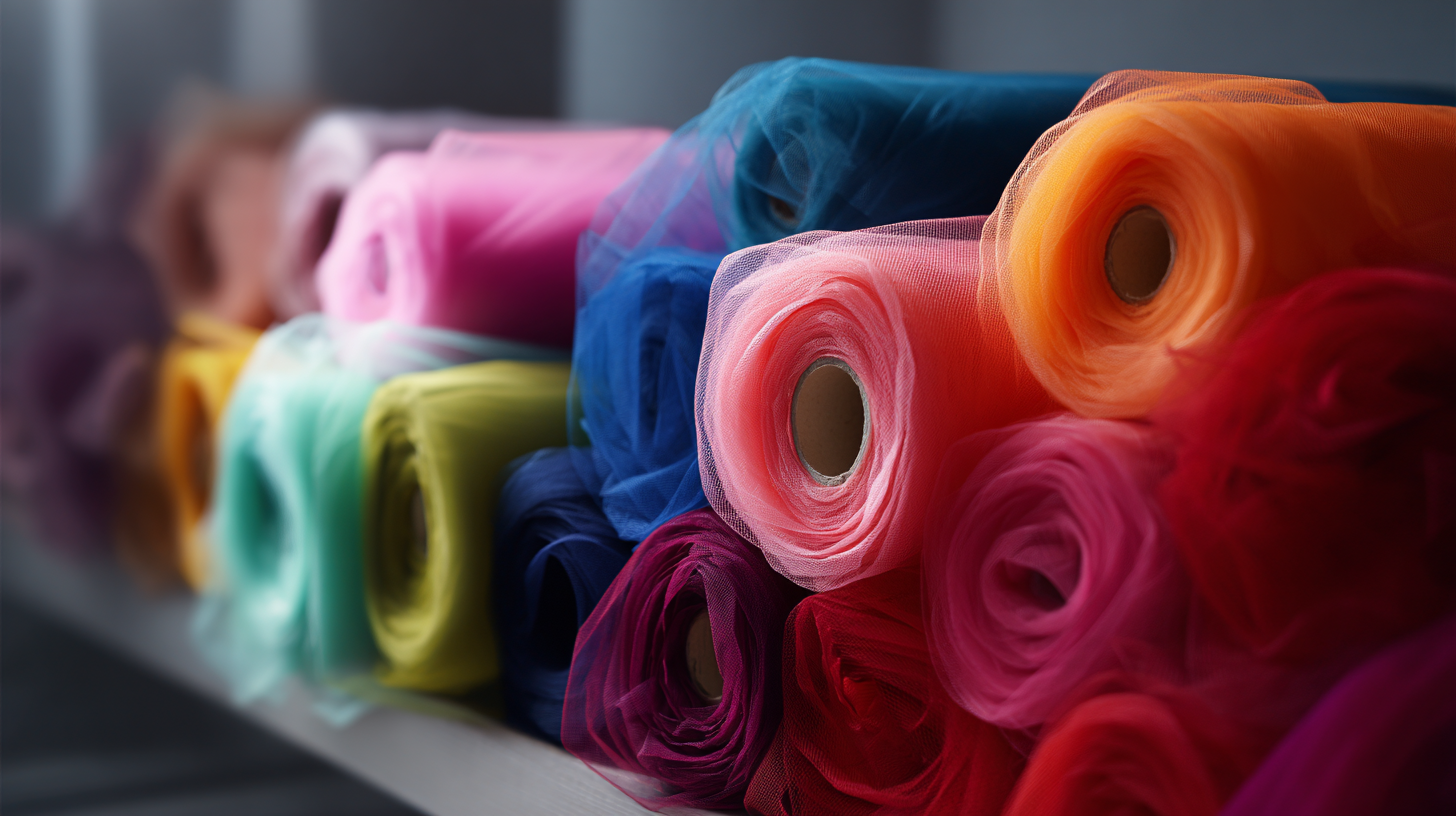
In particular, during the Halloween season, elastic tulle can elevate costume designs by allowing for elaborate layering and movement, making it a favorite among DIY costume creators. For instance, using black elastic tulle can transform simple outfits into hauntingly beautiful ensembles, perfect for spooky festivities. This creative application not only adds depth to costumes but also showcases the ability to repurpose existing clothing items into unique looks, fostering sustainability in fashion.
As the trend for individuality and self-expression in costume design continues to flourish, elastic tulle fabric remains a staple for anyone looking to unleash their creativity in both fashion and crafts.
Tips for Sourcing Quality Elastic Tulle Fabrics for Your Needs
When sourcing quality elastic tulle fabrics, it’s essential to consider the material's characteristics. Look for tulle that has a good balance of elasticity and firmness, ensuring it can hold shapes while remaining comfortable. Checking the fabric’s weight can also provide insights; lighter tulle is perfect for delicate designs, while heavier options lend themselves to more structured projects. Always request fabric swatches if possible, as this will help you assess the feel, drape, and transparency before making a purchase.
Additionally, pay attention to the supplier’s reputation and customer reviews. Reliable sources will often provide detailed descriptions and specifications, helping you understand the fabric’s durability and usability in various projects. Don’t hesitate to reach out to suppliers for any questions regarding the manufacturing process or the types of dyes used, as this can affect both the fabric's quality and its suitability for your needs. By focusing on these tips, you can ensure you select the best elastic tulle fabric that enhances your creative endeavors.