Best Recycled Canvas Fabric Uses and Benefits?
Recycled Canvas Fabric is becoming increasingly popular for various applications. Experts like Sarah Johnson, a sustainable materials advocate, emphasize the importance of eco-friendly textiles. She stated, "Recycled Canvas Fabric is a game-changer for the environment." This fabric is made from repurposed materials, diverting waste from landfills.
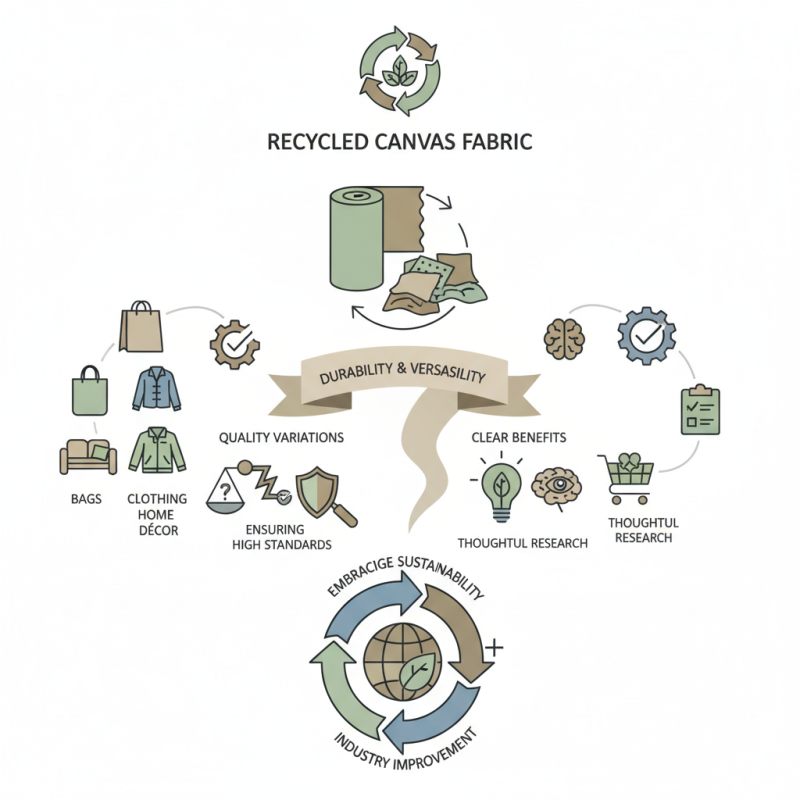
The uses of Recycled Canvas Fabric are diverse. It is ideal for bags, clothing, and home décor. Makers appreciate its durability and versatility. However, the transition to using recycled materials is not always smooth. There are quality variations that can affect product consistency. Ensuring high standards remains a critical challenge.
Additionally, while the benefits are clear, consumers must remain aware of misleading marketing. Not all recycled products are created equal. Thoughtful research is necessary to make informed choices. Embracing Recycled Canvas Fabric is a step towards sustainability, but it requires continued reflection and improvement in the industry.
Best Recycled Canvas Fabric Uses and Benefits
Recycled canvas fabric offers numerous benefits and versatile uses. It is made from repurposed materials, reducing waste and promoting sustainability. This fabric often features a rugged texture, making it ideal for products that need durability. From tote bags to outdoor gear, its thick weave provides strength while remaining lightweight.
Many artists use recycled canvas for eco-friendly projects. It can serve as a unique medium for painting or crafting. Using this fabric not only supports the environment but also allows for creativity. The imperfections in recycled canvas tell a story, adding character to every item.
Home furnishings also benefit from recycled canvas. Cushions and curtains made from this material bring a rustic charm. However, care is needed in maintenance. Prolonged exposure to sunlight can fade colors. Choosing shades wisely can enhance longevity. Embracing recycled canvas means considering its flaws, yet these imperfections make each piece special.
Understanding the Composition and Production of Recycled Canvas Fabric
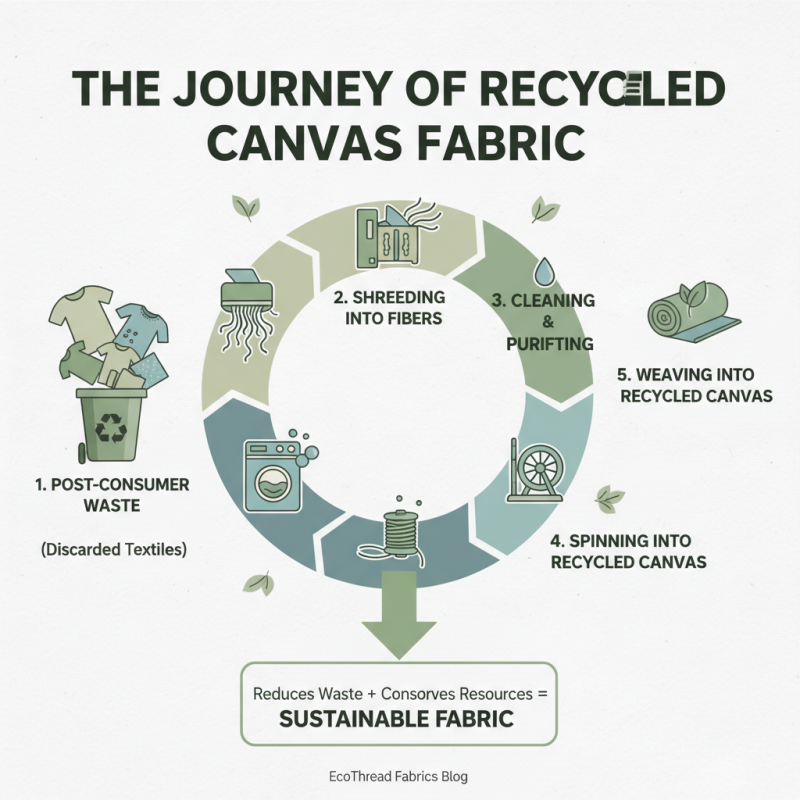
Recycled canvas fabric is made from repurposed materials, primarily cotton and polyester. This fabric often starts as post-consumer waste, like discarded clothing and textiles. The process involves shredding these materials into fibers. They are then cleaned and spun into new yarns. It's a complex cycle, reducing waste while creating something useful.
Interestingly, not all recycled canvas is the same. The quality may vary based on the source materials. Proper sorting and processing are crucial. Some fabrics may still contain impurities or inconsistent textures. This can affect durability and performance in different applications. Yet, the environmental benefits are significant. By choosing recycled canvas, we reduce landfill waste and save natural resources.
Manufacturers must be mindful too. They should aim to produce consistent quality while engaging in sustainable practices. It's an ongoing challenge but worth exploring. As consumers, we can reflect on our choices in fabric and support more sustainable options in the market.
Popular Applications of Recycled Canvas Fabric in Everyday Life
Recycled canvas fabric is becoming a popular choice in everyday life. Many people appreciate its eco-friendly nature. This material originates from repurposed textiles, which is a great way to reduce waste. Its durability makes it suitable for various applications.
One common use is in tote bags. These bags are sturdy and ideal for shopping. The vibrant colors and prints add a unique touch. Some people also use recycled canvas for creating home decor. Cushions and curtains made from this fabric bring a fresh look to interiors.
Additionally, recycled canvas finds its way into outdoor gear. Backpacks and camping essentials benefit from the toughness of the material. However, not all recycled canvas is created equal. Quality can vary greatly. It's essential to check the source and production methods. This awareness helps ensure that your purchases are genuinely sustainable.
Environmental Benefits of Using Recycled Canvas Materials
Recycled canvas fabric offers numerous environmental benefits, making it a practical choice. First, it reduces landfill waste. By repurposing old materials, we prevent them from lingering in dumps. Recycled canvas is often made from discarded cotton or polyester, conserving natural resources.
Using recycled canvas also lowers carbon emissions. The production process for new materials often releases harmful gases. However, recycled fabric uses less energy and contributes to a smaller carbon footprint. This transformation is crucial in combating climate change.
**Tips:** When choosing recycled canvas, check its sourcing details. Look for transparency in production. Also, consider the durability of the fabric; it should withstand wear and tear.
Another important aspect is the water saving. Traditional cotton farming consumes vast amounts of water. In contrast, recycled canvas significantly reduces this need. This advantage helps in conserving vital water resources, benefiting our ecosystems.
**Tips:** Pair recycled canvas products with eco-friendly accessories. It's a simple yet effective way to enhance sustainability in your lifestyle.
Best Recycled Canvas Fabric Uses and Benefits
| Use |
Benefits |
Environmental Impact |
| Bags |
Durable, Lightweight |
Reduces landfill waste |
| Clothing |
Breathable, Eco-friendly |
Lowers carbon footprint |
| Home Décor |
Stylish, Unique designs |
Uses less new material |
| Outdoor Gear |
Water-resistant, Strong |
Conserves resources |
| Upholstery |
Comfortable, Easy to maintain |
Reduces need for virgin materials |
Comparing Recycled Canvas Fabric to Traditional Fabric Options
Recycled canvas fabric is gaining popularity as a sustainable alternative to traditional fabric. Unlike conventional fabrics that often rely on virgin materials, recycled canvas is made from post-consumer waste, which drastically reduces environmental impact. According to a recent report by the Textile Exchange, using recycled materials can save 80% of water and energy compared to producing new textile products.
One primary concern with traditional fabrics is their carbon footprint. The fashion industry contributes nearly 10% of global carbon emissions. In contrast, opting for recycled canvas significantly lowers these emissions. For example, recycling a ton of canvas can prevent the release of approximately 4.5 tons of CO2. This not only benefits the planet but also encourages the use of a circular economy.
Tips: When choosing materials for your projects, consider the life cycle of the fabric. Opting for recycled options not only showcases your commitment to sustainability but also inspires others. Look for local artisans who use recycled fabrics, as this supports the community and reduces shipping emissions. However, keep in mind that recycled canvas may not always meet the same durability standards as traditional options. Testing is essential before committing to a large project.
Comparison of Recycled Canvas Fabric vs Traditional Fabric Options