Best Recycled Denim Fabric for Sustainable Fashion in 2023
As the fashion industry increasingly shifts towards sustainability, recycled denim fabric has emerged as a pivotal element in creating eco-friendly apparel. In 2023, this fabric not only reduces waste but also offers a stylish alternative to traditional denim. According to industry expert Dr. Emma Green, a renowned advocate for sustainable materials, "Recycled Denim Fabric represents a powerful opportunity to merge style with environmental responsibility." Her insight highlights the potential for this material to revolutionize the fashion landscape while addressing pressing ecological concerns.
The benefits of recycled denim fabric extend beyond its sustainable properties. Companies are utilizing innovative techniques to transform discarded denim into high-quality fabrics that retain the classic appeal of traditional jeans, while significantly lowering the carbon footprint of production. This evolution exemplifies how embracing recycled materials can lead to a more circular economy within the fashion industry.
As consumers become more conscious of their choices, the demand for sustainable options continues to rise, making recycled denim fabric a frontrunner in the quest for eco-conscious fashion. This article explores the best types of recycled denim fabric available in 2023 and how they are setting new standards for sustainability and style in the fashion world.
Growing Importance of Recycled Denim in Sustainable Fashion
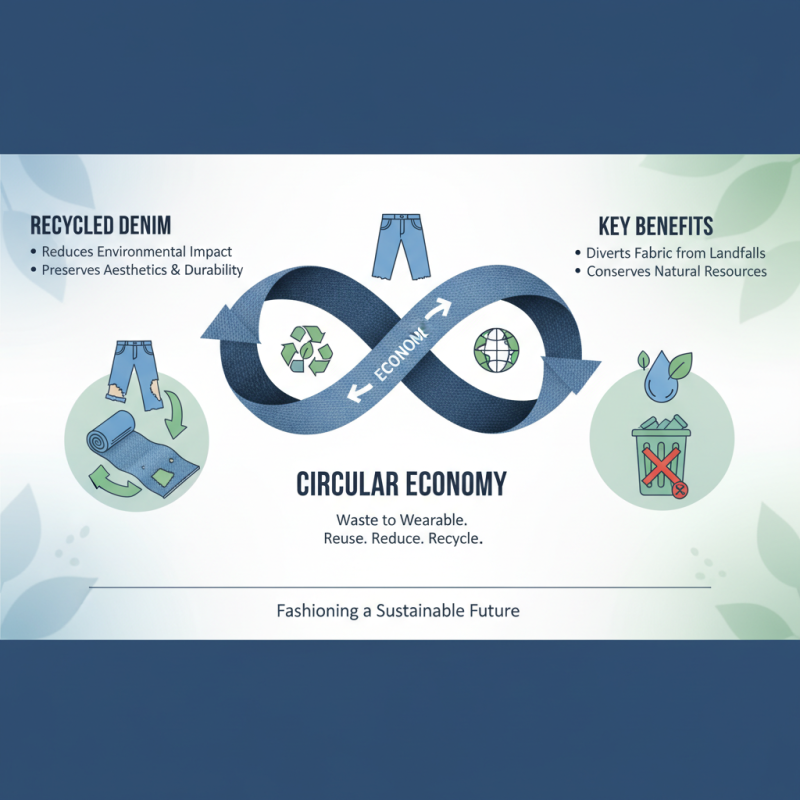
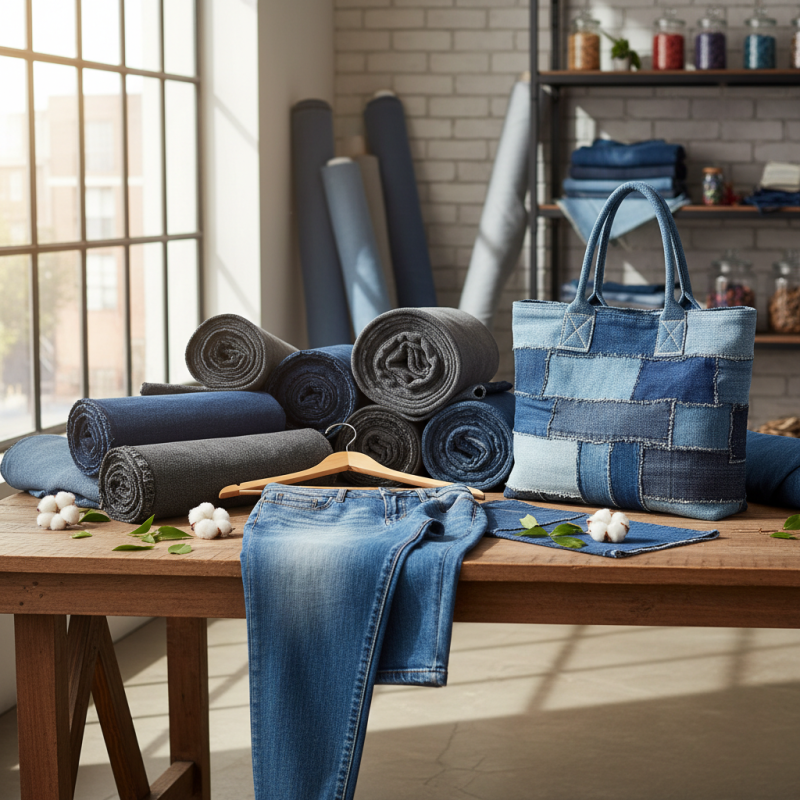
As the fashion industry increasingly embraces sustainability, recycled denim has emerged as a pivotal material in the quest for eco-friendly clothing options. The significance of recycled denim lies not only in its reduced environmental impact but also in its ability to preserve the aesthetics and durability that denim lovers cherish. By recycling post-consumer and post-industrial waste, brands can divert tons of fabric from landfills while also conserving the finite resources required to produce new denim. This practice exemplifies the shift toward a circular economy, where materials are continually reused, minimizing waste.
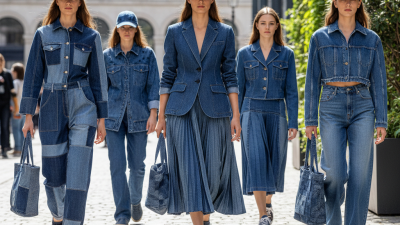
When considering incorporating recycled denim into your wardrobe, here are a few tips to keep in mind. First, look for garments made from a high percentage of recycled material, as this maximizes the environmental benefits. Second, check the brand’s production practices; opting for companies that prioritize ethical manufacturing processes can further enhance your sustainable fashion efforts. Lastly, embrace versatility—recycled denim can be fashioned into a variety of styles from classic jeans to trendy jackets, offering sustainable choices without compromising on personal style.
The growing importance of recycled denim in sustainable fashion signals a broader change within the industry. Consumers are becoming more conscious of their purchases, supporting brands that prioritize sustainability, which encourages more companies to adopt eco-friendly practices. As this movement continues to gain momentum, recycled denim stands as a symbol of innovation and responsibility in fashion.
Types of Recycled Denim Fabrics Available in 2023
In 2023, the sustainable fashion movement has significantly embraced recycled denim fabrics, driven by a growing awareness of environmental impact in the textile industry. One of the predominant types of recycled denim is post-consumer recycled denim, which is made from discarded jeans and denim products. According to the Global Fashion Agenda, approximately 92 million tons of textile waste is generated each year, making the recycling of denim crucial in addressing this looming crisis. By transforming old jeans into new fabric, manufacturers can significantly reduce the need for virgin cotton, which requires vast amounts of water and pesticides to produce.
Another notable type of recycled denim fabric is post-industrial recycled denim. This type involves fabric scraps and off-cuts generated during the manufacturing process. By repurposing this waste, the industry can reduce environmental footprints and promote a circular economy. The Ellen MacArthur Foundation highlights that circular fashion can lead to a 70% reduction in greenhouse gas emissions compared to traditional linear models. As brands increasingly turn to these innovative textiles, recycled denim not only presents an eco-friendly alternative but also aligns with consumer demand for sustainable practices. With advancements in technology enabling more efficient recycling processes, the future of denim looks promisingly green.
Best Recycled Denim Fabric for Sustainable Fashion in 2023
| Fabric Type |
Recycling Method |
Sustainability Rating |
Uses |
Key Features |
| Post-Consumer Denim |
Mechanical Recycling |
High |
Apparel, Accessories |
Durable, Soft, Less Water Usage |
| Post-Industrial Denim |
Industrial Waste Recycling |
Moderate |
Workwear, Home Textiles |
Cost-Effective, Versatile |
| Recycled Cotton Blend |
Fiber Blending |
High |
Fashion, Apparel |
Breathable, Lightweight |
| Recycled Selvedge Denim |
Upcycling |
Very High |
High-End Fashion |
Unique Finishes, Limited Editions |
| Organic Recycled Denim |
Sustainable Sourcing |
High |
Eco-Friendly Fashion |
Free from Harmful Chemicals |
Key Benefits of Using Recycled Denim in Clothing Production
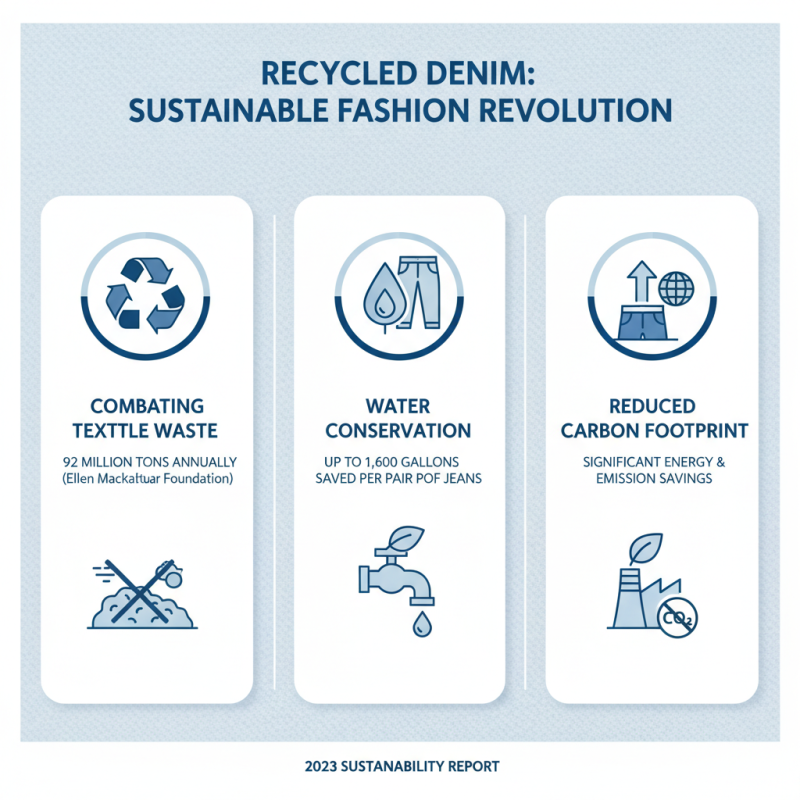
Recycled denim fabric is revolutionizing the sustainable fashion industry in 2023, offering numerous environmental benefits that address the pressing issue of textile waste. According to a report by the Ellen MacArthur Foundation, approximately 92 million tons of textile waste is generated annually, with denim being one of the leading contributors. By utilizing recycled denim, brands can significantly reduce their carbon footprint; studies indicate that recycling denim can save up to 1,600 gallons of water per pair of jeans compared to producing new denim, thereby conserving one of our most precious resources.
In addition to water conservation, recycled denim production relies on less energy, which further reduces greenhouse gas emissions. The Global Fashion Agenda's 2023 report highlights that recycled materials can lower the environmental impact of garment production by up to 80%. This shift not only helps mitigate climate change but also fosters a circular economy, where materials are reused rather than discarded. As consumers increasingly prioritize sustainability, the adoption of recycled denim can serve as a vital step for brands aiming to meet eco-conscious demands while contributing positively to the environment.
Leading Brands Innovating with Recycled Denim Fabrics
In 2023, the fashion industry continues to evolve, with sustainability at the forefront of design innovations, particularly in the realm of recycled denim fabrics. Leading brands are strategically integrating recycled materials into their denim collections, showcasing creativity and commitment to reducing environmental impact. This shift not only enhances the aesthetic appeal of garments but also promotes a circular economy that minimizes waste and resource consumption.
The innovation in recycled denim fabric often involves upcycling old denim into new, high-quality materials, thereby conserving water and energy during production. Brands are experimenting with various techniques, such as blending recycled cotton with organic fibers, which yields durable and stylish options for consumers. Additionally, many of these brands are investing in advanced technology that ensures the integrity and performance of recycled denim, making it a viable choice for eco-conscious fashion enthusiasts. This movement not only addresses environmental concerns but also aligns with the growing consumer demand for sustainable and ethically produced clothing.
Future Trends for Recycled Denim in Sustainable Fashion Industry
As the fashion industry increasingly gravitates towards sustainability, recycled denim is emerging as a key player in shaping future trends. One of the most notable trends is the innovation in production processes that minimize waste. Brands are now leveraging advanced technologies to create denim fabrics that not only utilize post-consumer waste but also improve durability and performance. This shift not only appeals to eco-conscious consumers but also aligns with the broader industry goal of reducing environmental impact.
Another significant trend is the collaboration between designers and recyclers to create unique products that tell a story. By upcycling traditional denim into high-fashion pieces, designers emphasize the importance of sustainability while celebrating creativity. Moreover, the use of natural dyes and eco-friendly finishes is becoming more prevalent, enhancing the aesthetic appeal of recycled denim while ensuring it is safe for the environment. This combination of artistry and responsibility is likely to resonate with future consumers, who are increasingly looking for fashion that reflects their values.