Leave Your Message
Elastic Tulle Fabric is chosen for movement, recovery, and a clean, fine-mesh appearance. Buyers use it in dancewear, bridal layers, lingerie, and costumes, where a snagged edge or weak elastic recovery can spoil the finished garment. The market is broad, but quality is specific. It varies with yarn composition, mesh geometry, stretch direction, finishing, and dye consistency.
Textile Exchange’s Materials Market Report 2024 estimates global fiber production reached 124 million tonnes in 2023; polyester accounted for about 57 percent. These figures describe the wider fiber market, not elastic tulle alone. That distinction matters. Suppliers should be assessed through fabric specifications and repeatable testing, not market claims. Ask for composition, usable width, weight, stretch and recovery results, colorfastness information, minimum order quantities, and lead times. Request a production sample. Check the selvage and recovery after repeated extension.
A verified, named expert quotation specifically about Elastic Tulle Fabric was not available for this introduction, so attributing one would be misleading. That gap is worth noting: broad textile statistics cannot replace fabric-level evidence. This guide compares ten suppliers for global buyers, focusing on product range, documentation, sampling, customization, and communication. Small differences matter. A swatch that rebounds evenly may be more useful than a polished catalog. Supplier claims still need checking.
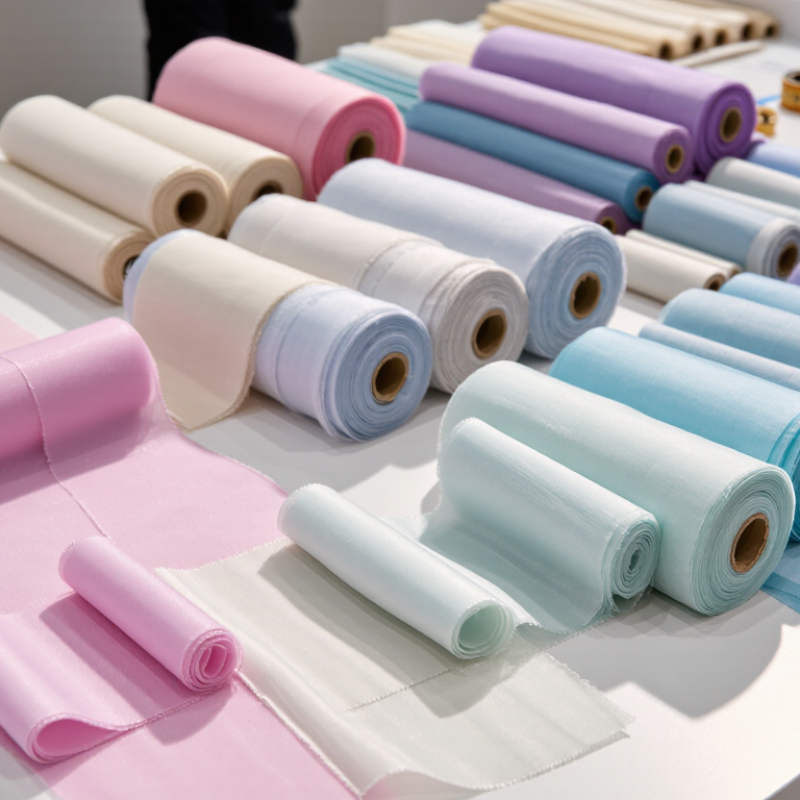
Elastic tulle is an open, warp-knitted net designed to stretch while keeping its mesh structure. Small loops form the grid, and elastane yarns usually provide the give. Nylon can create a smooth, resilient hand; polyester often offers practical color consistency and durability. Fiber content alone does not predict performance. Yarn thickness, mesh size, and finishing also matter.
Tips: Stretch a sample gently across its width and length. Check whether it returns evenly, without ripples or enlarged openings. Feel matters. Record the fabric’s weight and usable stretch, not just its fiber percentages.
For a garment panel, compare the net under bright light and against the lining color. A fine mesh may look delicate but feel firm, while a larger grid can snag more easily. Ask suppliers for composition details, width, weight, and test samples from the intended production lot. Wash or steam a small swatch if care conditions matter. Stretch recovery can change after finishing, so one sample may not represent every batch. That uncertainty is worth noting, even when specifications look tidy.
A practical comparison of supplier types and sourcing routes for elastic tulle. These are not named companies or ranked businesses; actual stock, specifications, and services vary by supplier.
| Supplier Type / Sourcing Route | Typical Net Construction | Common Fiber Options | Stretch and Recovery | Best Suited For | Buyer Checks |
|---|---|---|---|---|---|
| Warp-knitting mill | Fine, open net made on warp-knitting equipment; loop structure and mesh geometry depend on the machine and pattern. | Polyamide (nylon) with elastane; polyester with elastane may also be available. | Often offers controlled stretch across one or both directions, depending on construction and elastane placement. | Repeat orders, custom mesh specifications, and buyers needing direct technical discussions with a producer. | Request a construction or specification sheet, usable width, weight, stretch by direction, recovery, and production lead time. |
| Stretch-mesh fabric mill | Knitted net or mesh designed for flexibility; aperture size, softness, and opacity vary by style. | Commonly nylon/elastane or polyester/elastane blends. | May provide multidirectional stretch; confirm the measured stretch and recovery for the exact style. | Dancewear, lingerie, costume panels, and lightweight garments requiring a flexible net. | Check mesh appearance, snag resistance, edge behavior, colorfastness, and performance after washing. |
| Lace and embroidery fabric producer | Stretch net base that may be embroidered, patterned, or embellished; the base and decoration can affect drape. | Stretch bases commonly use nylon/elastane or polyester/elastane; embroidery threads may use different fibers. | Stretch can be reduced or uneven in decorated areas; assess the finished fabric rather than the base alone. | Bridalwear, occasionwear, lingerie, and decorative garment panels. | Ask for a finished sample and check motif placement, embellishment security, stretch limits, and care instructions. |
| Bridal and occasionwear fabric specialist | Fine stretch net, sometimes layered with flocking, embroidery, or other surface treatments. | Often nylon/elastane or polyester/elastane for the net base; confirm composition for every component. | Typically selected for comfort and fit, but surface treatments can limit extension and recovery. | Wedding gowns, overlays, sleeves, veils with stretch, and formalwear details. | Verify transparency, hand feel, color match, treatment durability, and whether the fabric is sold by the roll or cut length. |
| Lingerie fabric supplier | Soft, fine-gauge stretch net intended to sit comfortably against the skin; constructions vary in density and firmness. | Nylon/elastane is common; polyester/elastane options are also used. | Can range from gentle comfort stretch to firmer support; fit and recovery should be evaluated in a sewn sample. | Bras, briefs, bodysuits, lingerie panels, and lightweight lining applications. | Check skin feel, opacity, elastane content, stretch direction, recovery, colorfastness, and relevant product compliance needs. |
| Dancewear and activewear fabric supplier | Stretch mesh selected for movement; the net may be paired with opaque stretch fabrics in garment construction. | Common options include nylon/elastane and polyester/elastane. | Designed styles may provide substantial extension, but performance depends on yarn, knit structure, and finishing. | Leotards, performance costumes, dancewear inserts, and breathable garment panels. | Test during movement and after laundering; check recovery, seam stability, snagging, and transparency under tension. |
| Stock-service fabric wholesaler | Usually carries established stretch-net styles in standard colors and widths rather than developing a new construction. | Composition depends on the stocked article; nylon/elastane and polyester/elastane are common choices. | Varies by article; stock availability does not guarantee identical specifications across different styles. | Sampling, smaller production runs, replenishment, and buyers needing accessible ready-stock options. | Confirm current lot availability, minimum order, shade consistency, roll length, and whether repeat lots match the sample. |
| Custom-dye fabric mill or dyehouse partner | Uses a selected stretch-net base and applies color to order; dyeing is a finishing process rather than a net construction. | Base fabric may be nylon/elastane or polyester/elastane; dye process suitability depends on the fibers. | Dyeing and finishing conditions can influence hand feel and dimensions; compare finished samples with the original base. | Coordinated color programs, seasonal collections, and larger orders requiring a specified shade. | Request lab dips, colorfastness information, approved shade standards, minimum dye quantities, and finished-width tolerances. |
| Textile converter or fabric sourcing agent | Sources a suitable net from mills and may coordinate dyeing, finishing, inspection, or consolidation. | Can source different fiber blends; verify the composition against the actual mill specification. | Depends on the sourced article; ask for test results and identify who is responsible for quality claims. | Buyers seeking help with supplier coordination, multiple materials, or export documentation. | Clarify the mill of origin where appropriate, sample approval process, inspection terms, traceability, and responsibility for defects. |
| Garment-focused fabric distributor | Offers selected elastic nets chosen for apparel applications; may provide guidance on garment use and handling. | Often stocks nylon/elastane or polyester/elastane options, subject to product availability. | Performance differs by article; request directional stretch and recovery data rather than relying on a general product description. | Small and medium apparel brands, sample rooms, and makers comparing fabrics for a specific garment. | Check cuttable width, order increments, sample policy, care label guidance, and availability for future reorders. |
Elastic tulle explained: “Tulle” describes an open net appearance, while “elastic” indicates stretch in the fabric. Stretch tulle is commonly knitted rather than woven, and its feel and performance depend on the yarns, mesh construction, elastane, and finishing. Fiber blends and stretch figures are article-specific, so confirm composition, width, weight, stretch direction, and recovery using a current sample and supplier specification.