10 Best Elastic Stretch Fabric Options for Ultimate Comfort and Flexibility
When it comes to finding the perfect material for clothing and accessories,
Elastic Stretch Fabric stands out as a top choice for those seeking both
comfort and flexibility. Its unique properties allow for unparalleled movement, making it ideal for activewear,
casual attire, and even chic fashion pieces. With its ability to comfortably conform to various body shapes
while providing excellent breathability and durability, Elastic Stretch Fabric
has revolutionized the way we think about garment performance.
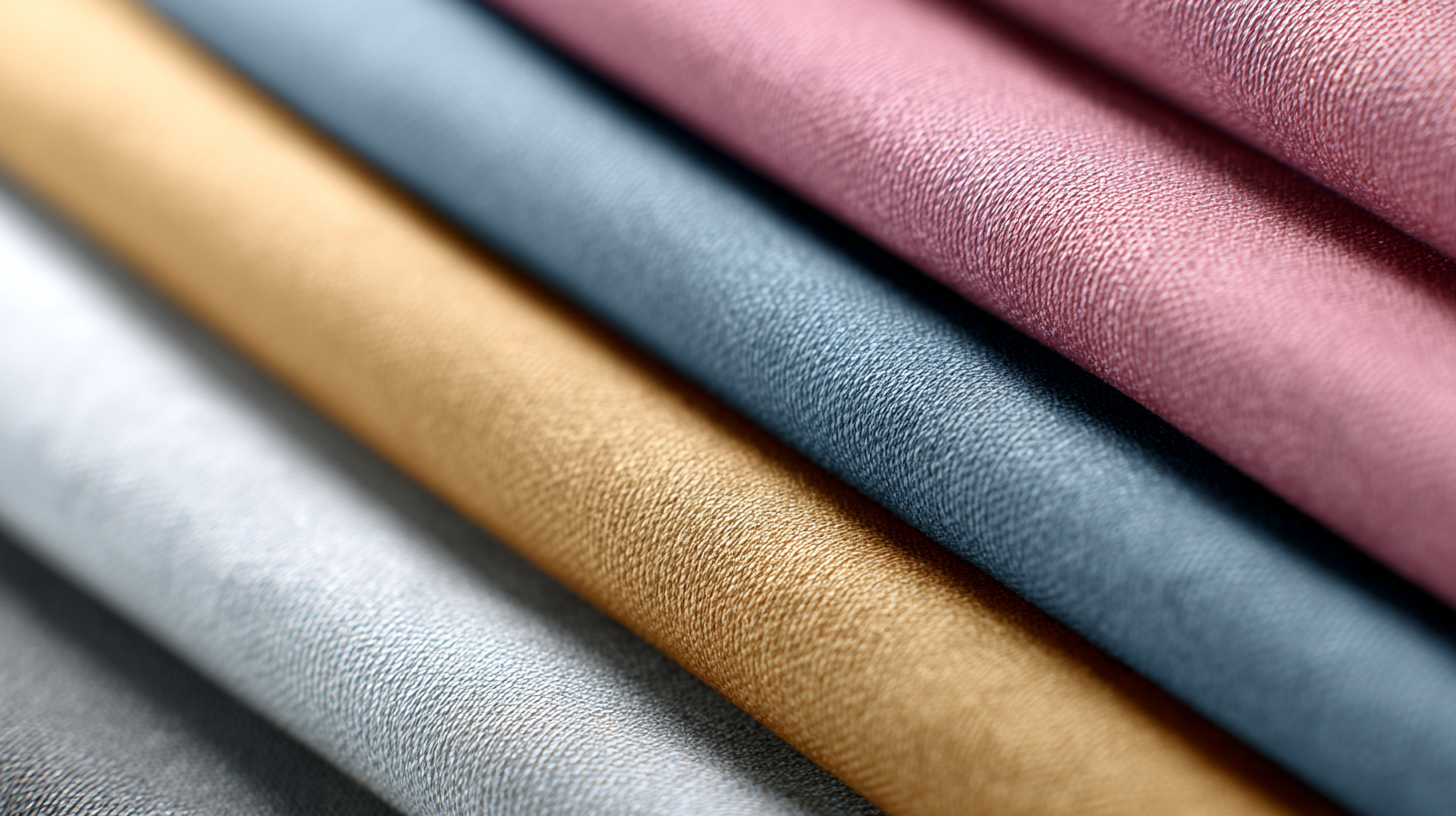
In this article, we will explore the ten best Elastic Stretch Fabric options
available on the market today. Each selection will highlight not only the fabric's elasticity and comfort but also
its diverse applications. From high-stretch spandex blends to soft and breathable jersey knits, these fabrics
cater to a wide range of needs, ensuring that you can move freely throughout your day. Whether you're an avid
athlete, a fashion enthusiast, or someone who simply values comfort in their everyday wear, our curated list
will guide you in choosing the right Elastic Stretch Fabric that meets your requirements.
Join us as we delve into the ultimate fabric choices for flexibility and style.
Top 10 Stretch Fabrics: Analyzing Durability and Longevity in Active Wear
When it comes to active wear, the choice of fabric plays a pivotal role in ensuring both comfort and performance. Among the various materials available, elasticity is a critical factor that enhances flexibility during movement. Durable stretch fabrics can withstand rigorous activities while providing the necessary support, making them ideal for everything from yoga to high-impact sports. Key materials such as spandex, polyester blends, and nylon possess inherent elasticity, enabling garments to retain their shape even after repeated use.
Longevity is equally important when selecting stretch fabrics, as active wear must endure frequent washing and wear without losing its elasticity or structural integrity. Fabrics that combine moisture-wicking properties with stretchability often showcase superior durability. For instance, a combination of nylon and spandex not only offers impressive stretch but also resists pilling and fading, ensuring that the garments remain functional and visually appealing over time. Evaluating these factors will lead consumers to select active wear that not only feels comfortable but also lasts, making the most of their investments in fitness apparel.
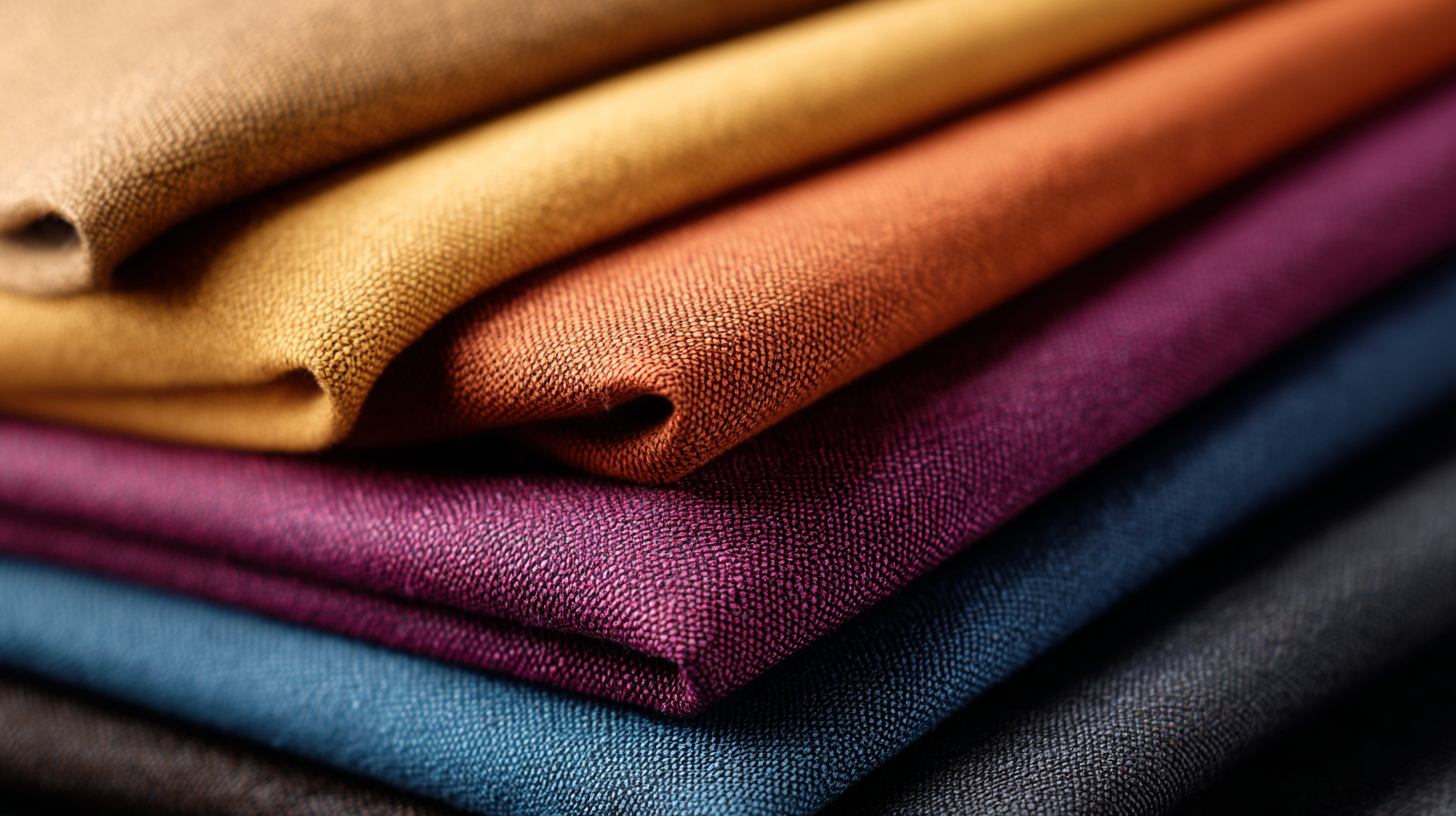
Comparative Study of Breathability: Choosing the Right Elastic Fabric for Comfort
When it comes to choosing elastic stretch fabrics, breathability is a crucial factor that directly influences comfort and performance.
According to a comparative study by industry experts, materials such as polyester blends and nylon offer superior moisture-wicking properties, making them ideal for both outdoor activities and everyday wear.
In particular, fabrics that incorporate spandex or elastane ensure significant stretchability, which allows for greater freedom of movement.
This is especially important in activewear, where the need for flexibility can enhance overall athletic performance and comfort.
Additionally, research indicates that lightweight, breathable fabrics can significantly improve temperature regulation, a critical aspect for keeping the body comfortable in varying climates.
For instance, fabrics that feature mesh structures or perforations not only provide the stretch needed for dynamic movements but also enhance airflow, reducing the risk of overheating.
These advancements in fabric technology cater to consumer demands for comfort without compromising on functionality, making it easier than ever to select the right elastic fabrics for any situation, from hiking adventures to daily office wear.
Moisture Management in Stretch Fabrics: Key Metrics for Athletic Performance
When selecting elastic stretch fabrics for athletic wear, moisture management is a critical factor that can significantly impact performance. Effective moisture-wicking properties help keep the body dry by transporting sweat away from the skin, thereby enhancing comfort during physical activities. Key metrics to consider include the fabric's absorption rate, drying time, and breathability. Fabrics with high breathability provide ventilation, allowing air circulation and helping regulate body temperature during intense workouts.
Tips: When shopping for athletic fabrics, look for options that are labeled as moisture-wicking or quick-dry. These labels indicate that the fabric has been designed to handle sweat efficiently. Additionally, consider fabrics with a lightweight construction to ensure maximum flexibility and ease of movement.
Choosing the right elastic stretch fabric also involves understanding its stretch and recovery properties. Fabrics that retain their shape after stretching can enhance comfort and reduce distractions during exercise. Checking for a mix of synthetic fibers, such as polyester or nylon, combined with spandex can provide the ideal balance of stretch, durability, and moisture management.
Tips: Always test the fabric's stretchability by gently pulling on it before purchasing. This can give you insight into its flexibility and how well it might move with your body during different activities.
Sustainable Elastic Fabrics: Environmental Impact and Industry Trends for 2025
As the fashion and textile industries gear up for 2025, sustainable elastic fabrics are emerging as a crucial trend, driven by both consumer demand and environmental considerations. According to the Global Sustainability Report 2023, over 60% of consumers now prefer brands that are committed to sustainability, directly influencing production choices. With the rise of circular economy models, companies are increasingly adopting materials like organic cotton blends and recycled polyester, which not only enhance comfort and flexibility but also reduce environmental footprints.
To maximize the benefits of sustainable elastic fabrics, brands are focusing on innovations in fabric technology that minimize water usage and energy consumption during production. The Textile Exchange's 2022 Material Sustainability Index highlights that using recycled materials in elastic fabrics can lower greenhouse gas emissions by up to 70% compared to traditional methods. Consumers are encouraged to look for labels that certify eco-friendly practices, ensuring that their choices contribute positively to the planet.
Tip: When shopping for elastic fabrics, consider multi-functional materials that can be used across different seasons, reducing the need for excessive wardrobes. Additionally, pay attention to brands that offer take-back programs or recycling initiatives, as they play a significant role in promoting sustainable fashion practices.
10 Best Elastic Stretch Fabric Options for Ultimate Comfort and Flexibility
| Fabric Type |
Stretch Percentage |
Comfort Level |
Breathability |
Sustainability Rating |
Price per Yard |
| Organic Cotton Spandex |
10-20% |
High |
Excellent |
A |
$12 |
| Recycled Polyester Spandex |
15-25% |
Very High |
Good |
B+ |
$10 |
| Bamboo Rayon Spandex |
15-30% |
High |
Excellent |
A- |
$14 |
| Tencel Lyocell |
5-15% |
Very High |
Excellent |
A+ |
$16 |
| Modal Fabric |
10-20% |
High |
Good |
B |
$11 |
Innovative Technologies in Stretch Fabric Production: Enhancing Flexibility and Comfort
Innovative technologies in stretch fabric production have significantly transformed the textile industry, enhancing both flexibility and comfort for consumers. Modern manufacturing techniques utilize advanced fiber blends, such as spandex combined with cotton or polyester, allowing for remarkable elasticity while maintaining breathability. This combination not only ensures that the fabric moves with the body but also provides moisture-wicking properties, making it ideal for activewear and everyday use.
Another exciting development is the incorporation of smart textiles, which incorporate features like temperature regulation and anti-odor properties. These fabrics adapt to the wearer's body temperature, ensuring optimal comfort in varying conditions. Additionally, advancements in knitting technologies enable the creation of seamless designs, which minimize friction and enhance comfort during wear. As these innovative techniques continue to evolve, stretch fabrics are becoming increasingly versatile, catering to a wide range of applications from sports apparel to casual clothing, ultimately improving the overall user experience.