Top 10 Benefits of Using Recycled Nylon Fabric in Sustainable Fashion
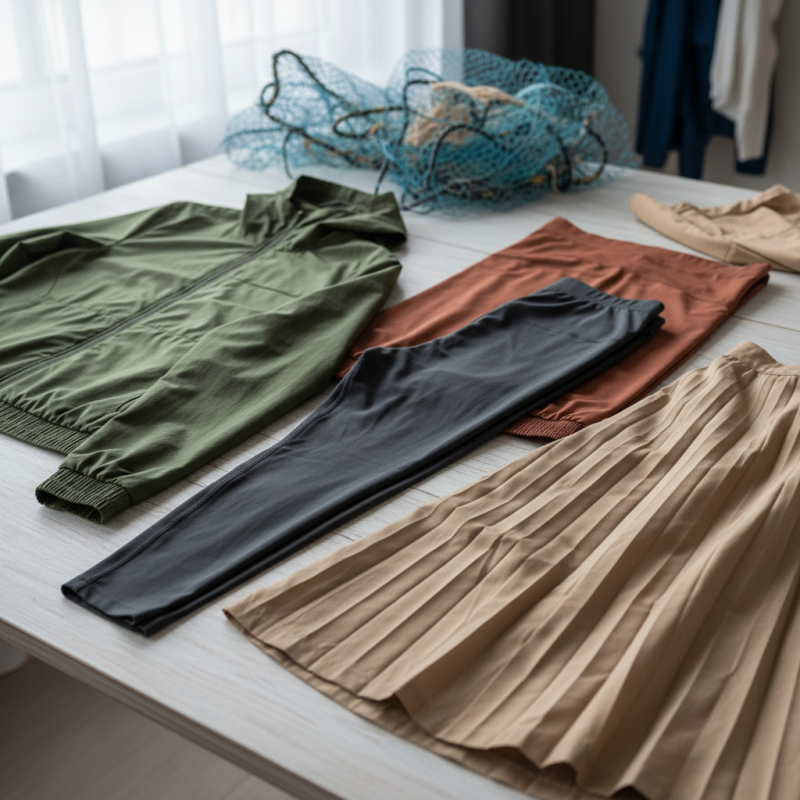
In recent years, the fashion industry has increasingly turned its focus towards sustainability, with many designers and brands prioritizing eco-friendly materials in their collections. One prominent material gaining traction is Recycled Nylon Fabric, which emerges as a star player in the quest for greener fashion choices. Made from post-consumer waste, such as discarded fishing nets and fabric remnants, this innovative material not only reduces landfill waste but also decreases the energy and resources required for production compared to virgin nylon.
The benefits of Using Recycled Nylon Fabric extend far beyond its environmental impact. This versatile and durable fabric offers consumers the reliability and performance they expect while contributing to a more sustainable future. From reducing carbon emissions to promoting circular economy principles, Recycled Nylon Fabric plays a critical role in reshaping the fashion landscape. In this article, we will explore the top ten advantages of incorporating this fabric into sustainable fashion, highlighting how it supports both ethical production and stylish design. Embracing Recycled Nylon Fabric is not only a choice for the planet but also a commitment to responsible consumption and innovative design.
Benefits of Recycled Nylon Fabric in Reducing Environmental Impact
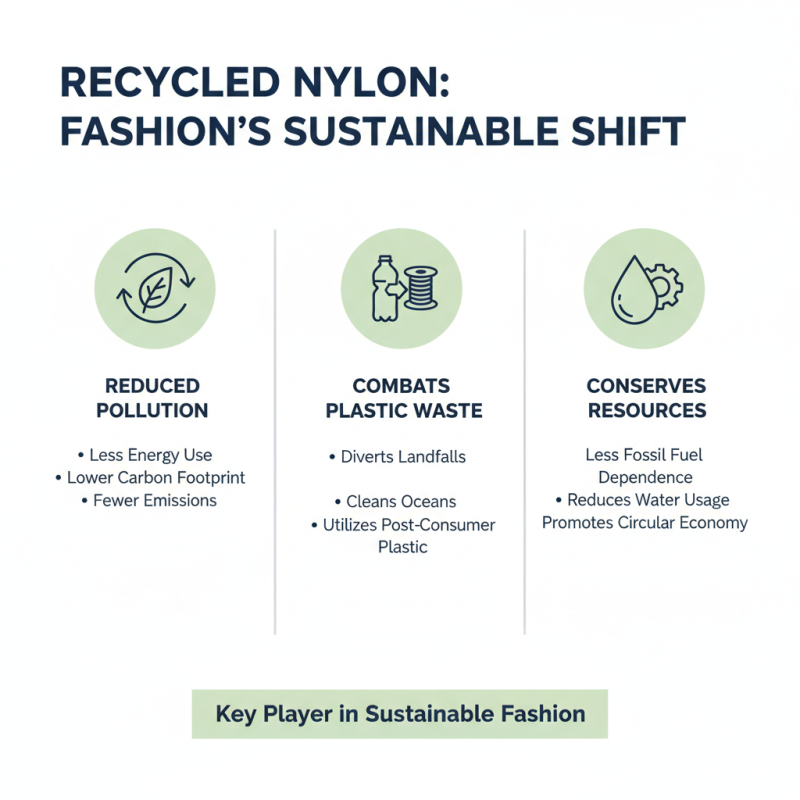
Recycled nylon fabric is emerging as a crucial player in the sustainable fashion movement, particularly in minimizing environmental impacts. Traditional nylon production is energy-intensive and relies heavily on fossil fuels, contributing to greenhouse gas emissions. By utilizing recycled nylon, brands can significantly reduce their carbon footprint, as the process requires less energy and produces fewer pollutants. Additionally, recycled nylon helps divert plastic waste from landfills and oceans, effectively addressing the global issue of plastic pollution.
To maximize the benefits of recycled nylon, sustainable fashion brands should focus on ethical sourcing and transparency in their supply chains. This means ensuring that the collected nylon waste is obtained from reputable sources and processed in facilities that adhere to eco-friendly practices. Consumers can also play a role by consciously choosing to support brands that utilize recycled materials.
Incorporating recycled nylon into fashion not only benefits the environment but also enhances the durability and quality of garments. To leverage this advantage, fashion designers should innovate in their designs, prioritizing styles that appeal to eco-conscious consumers. Ultimately, embracing recycled nylon is a step forward in creating a more sustainable and responsible fashion industry.
Cost-Effectiveness of Recycled Nylon in Sustainable Fashion Industry
The cost-effectiveness of recycled nylon in the sustainable fashion industry plays a pivotal role in the transition towards environmentally-friendly practices. Using recycled nylon, brands can significantly reduce their material costs compared to sourcing virgin nylon, which often involves expensive and resource-intensive processes. By recycling existing materials, companies can save on raw material costs while simultaneously minimizing waste in landfills, creating a win-win scenario for both the economy and the environment.
Additionally, the integration of recycled nylon into fashion lines allows brands to appeal to the growing demographic of eco-conscious consumers. These consumers are often willing to pay a premium for sustainable products, thereby providing brands with the opportunity to enhance their profit margins. Furthermore, as recycling technologies advance, producing high-quality recycled nylon fabric is becoming more feasible and affordable. This shift not only supports the sustainable fashion movement but also encourages continuous innovation in fabric production and design. As a result, the cost savings realized through the use of recycled nylon contribute to a more sustainable industry, where economic viability goes hand in hand with ecological responsibility.
Enhanced Durability and Performance Characteristics of Recycled Nylon
Recycled nylon fabric has emerged as a game-changer in sustainable fashion, particularly due to its enhanced durability and performance characteristics. One of the most significant advantages of using recycled nylon is its ability to withstand wear and tear. Compared to virgin nylon, recycled nylon retains similar strength properties, making it an ideal choice for activewear and outdoor clothing. Consumers can enjoy high-performance garments without sacrificing sustainability, as these fabrics provide the necessary resilience to endure rigorous activities.
Furthermore, recycled nylon exhibits excellent moisture-wicking capabilities, which contribute to overall comfort for the wearer. This fabric efficiently pulls sweat away from the skin, promoting a dry and comfortable experience during exercise or in intense weather conditions. Additionally, its quick-drying properties make it perfect for items that are frequently washed or exposed to the elements, prolonging the lifespan of garments. By choosing recycled nylon, brands are not only supporting eco-friendly practices but also delivering high-quality, functional products that meet the demands of environmentally conscious consumers.
Top 10 Benefits of Using Recycled Nylon Fabric in Sustainable Fashion
| Benefit |
Description |
Impact on Fashion Industry |
| Enhanced Durability |
Recycled nylon is resistant to wear and tear, extending the lifespan of garments. |
Reduces waste and promotes long-lasting fashion items. |
| Lower Environmental Impact |
Using recycled nylon decreases reliance on petroleum-based resources. |
Supports the shift towards circular fashion practices. |
| Innovative Design Potential |
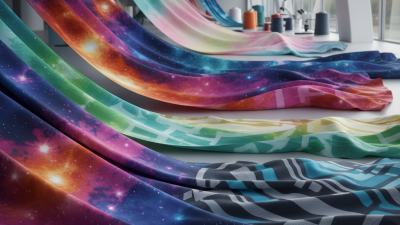
Recycled nylon can be dyed and printed, allowing for creative designs. |
Encourages designers to explore sustainable options. |
| Water Conservation |
Recycling nylon uses significantly less water than producing new nylon. |
Promotes resource-efficient production methods. |
| Reduced Carbon Footprint |
Lower greenhouse gas emissions in the recycling process compared to virgin production. |
Helps brands improve their sustainability credentials. |
| Cost-Effectiveness |
Recycled nylon can often be less expensive than new nylon. |
Encourages more brands to adopt eco-friendly materials. |
| Enhanced Performance |
Recycled nylon offers similar performance characteristics to virgin nylon. |
Maintains quality while promoting sustainability. |
| Waste Reduction |
Recycling fabric minimizes landfill waste by reusing existing materials. |
Supports zero-waste initiatives in fashion. |
| Consumer Awareness |
The use of recycled materials raises awareness about sustainable practices. |
Encourages consumers to make environmentally conscious choices. |
| Market Differentiation |
Brands that use recycled nylon can stand out in a competitive market. |
Attracts customers looking for sustainable options. |
Positive Consumer Perception and Demand for Eco-Friendly Materials
In recent years, the surge in eco-conscious consumerism has significantly influenced the fashion industry, particularly in the adoption of materials like recycled nylon. As consumers become increasingly aware of the environmental impact of their purchases, there is a growing demand for eco-friendly alternatives that not only minimize waste but also promote sustainable practices.
Recycled nylon fabric, derived from post-consumer waste such as discarded fishing nets and plastic bottles, addresses this demand by offering a high-performance material that aligns with the values of environmentally responsible consumers.
The positive perception surrounding recycled nylon reflects a broader trend in sustainable fashion where brands are expected to demonstrate their commitment to environmental stewardship. By utilizing recycled materials, companies can enhance their brand image, foster loyalty, and attract a dedicated consumer base that prioritizes sustainability.
This shift not only benefits the planet but also creates a positive feedback loop; as consumer demand for eco-friendly materials rises, more brands are motivated to innovate and incorporate sustainable practices, reinforcing the importance of sustainability in the fashion landscape.
Innovation and Technological Advances in Recycled Nylon Production
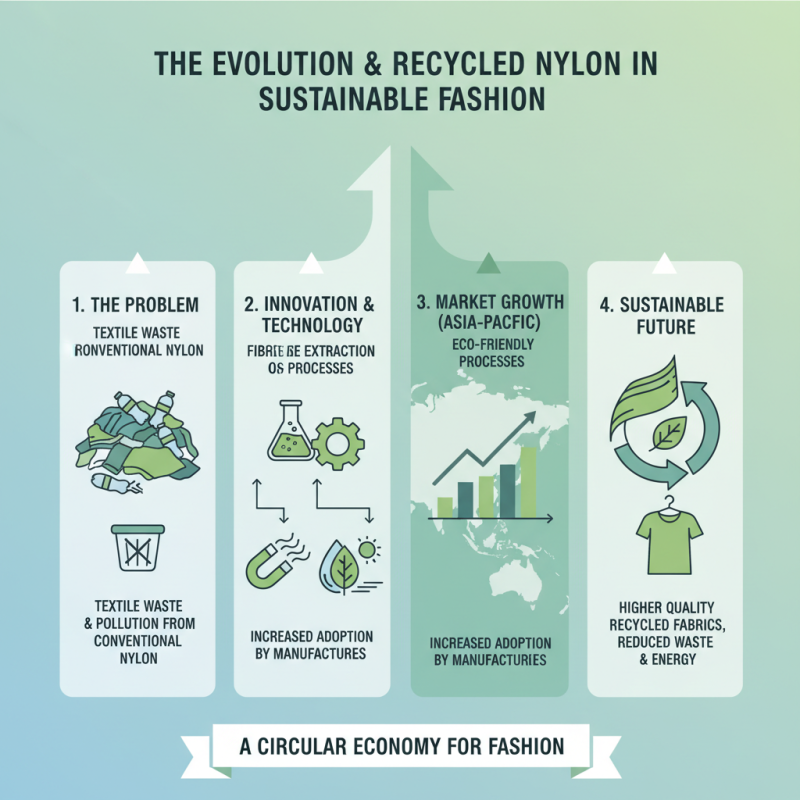
Recycling nylon fabric has evolved into a pivotal element of sustainable fashion, largely due to innovations and technological advances in its production. As the textile recycling market grows, particularly in the Asia Pacific region, manufacturers are increasingly adopting new technologies to enhance the efficiency of recycled nylon production. Key advancements include improved methods for extracting fibers from post-consumer textiles and eco-friendly processes that reduce waste and energy consumption. These innovations are not only making production more sustainable but also elevating the quality of the final products.
Tips: To capitalize on the benefits of recycled nylon, brands should invest in advanced recycling technologies and collaborate with innovators in the field. Incorporating high-quality recycled fibers can enhance the performance, resilience, and durability of fashion products, meeting consumer demand for both style and sustainability. Additionally, staying informed about market trends and forecasts will help brands anticipate changes and adapt to evolving consumer preferences in sustainable fashion.
Emerging trends also indicate a strong growth trajectory for the nylon fiber market, anticipated to reach significant valuations by 2030. This growth is backed by the increasing demand for sustainable materials across the fashion industry. Brands that prioritize innovation in their material sourcing will not only reduce their environmental impact but also set themselves apart in a competitive market. Embracing these changes is essential for those seeking to thrive in the future of sustainable fashion.