Top 10 Benefits of Recycled Pet Fabric for Sustainable Fashion Choices
In the pursuit of sustainability within the fashion industry, Recycled Pet Fabric has emerged as a vital resource, reshaping the way we think about garments and textiles. According to Dr. Maria Sanchez, a leading expert in sustainable materials, "Recycled Pet Fabric not only reduces waste but also conserves precious resources, making it a game-changer for eco-conscious fashion." As consumers increasingly gravitate towards greener choices, the benefits of this innovative material become more apparent.
The transition to Recycled Pet Fabric presents numerous advantages, ranging from environmental impact to economic opportunities. By diverting plastic bottles from landfills and oceans, the production of this fabric significantly diminishes the carbon footprint associated with traditional textiles. Furthermore, the durability and versatility of Recycled Pet Fabric make it a preferred choice for designers looking to combine sustainability with style.
As we delve deeper into the top ten benefits of Recycled Pet Fabric, it becomes clear that this material is not just a trend but a foundational element for the future of sustainable fashion. From enhancing brand credibility to fostering a circular economy, the implications of adopting Recycled Pet Fabric are profound, encouraging both consumers and producers to engage in more responsible practices.

Benefits of Recycled PET Fabric for Eco-Friendly Fashion Choices
Recycled PET fabric is rapidly becoming a cornerstone of eco-friendly fashion, providing numerous advantages that support both sustainability and style. One of the most significant benefits is its contribution to reducing waste. By recycling plastic bottles and other PET materials, this fabric minimizes the reliance on virgin resources, directly diverting plastic from landfills and oceans. As a result, the fashion industry can play a pivotal role in mitigating plastic pollution, transforming what would be discarded into beautiful, wearable products.
In addition to its environmental impact, recycled PET fabric boasts exceptional durability and versatility. Garments made from this material are not only strong but also lightweight and moisture-wicking, making them ideal for various fashion applications, from activewear to everyday apparel. Furthermore, the process of recycling PET requires significantly less energy compared to producing new polyester, leading to reduced carbon emissions. This aligns with the growing consumer demand for fashion choices that are both stylish and responsible, allowing brands to create products that resonate with eco-conscious consumers while still emphasizing innovation and design.
Environmental Impact of Recycled PET in Sustainable Clothing
The environmental impact of recycled PET (rPET) in sustainable clothing is significant and multifaceted. By transforming plastic waste into wearable fabric, we reduce the demand for virgin materials, which often require extensive natural resources and energy to produce. Utilizing rPET not only helps mitigate landfill issues but also cuts down on greenhouse gas emissions associated with traditional polyester production. This shift towards sustainable materials fosters a circular economy, where waste is minimized, and textiles can be repurposed multiple times.
When considering sustainable fashion choices, here are a few tips to incorporate rPET into your wardrobe: Look for options like eco-friendly tags that indicate the use of recycled materials, as they often provide insight into the fabric's environmental footprint. Additionally, support brands that prioritize transparency in their supply chains and advocate for sustainable practices. Lastly, consider the longevity of your clothing; choosing versatile pieces can help reduce the overall consumption rate, ensuring that items remain in use for longer periods.
By making informed choices, consumers can drive the demand for recycled PET products, encouraging more brands to adopt sustainable practices and further reducing the environmental burden of the fashion industry.
Cost-Effectiveness of Using Recycled PET Fabrics
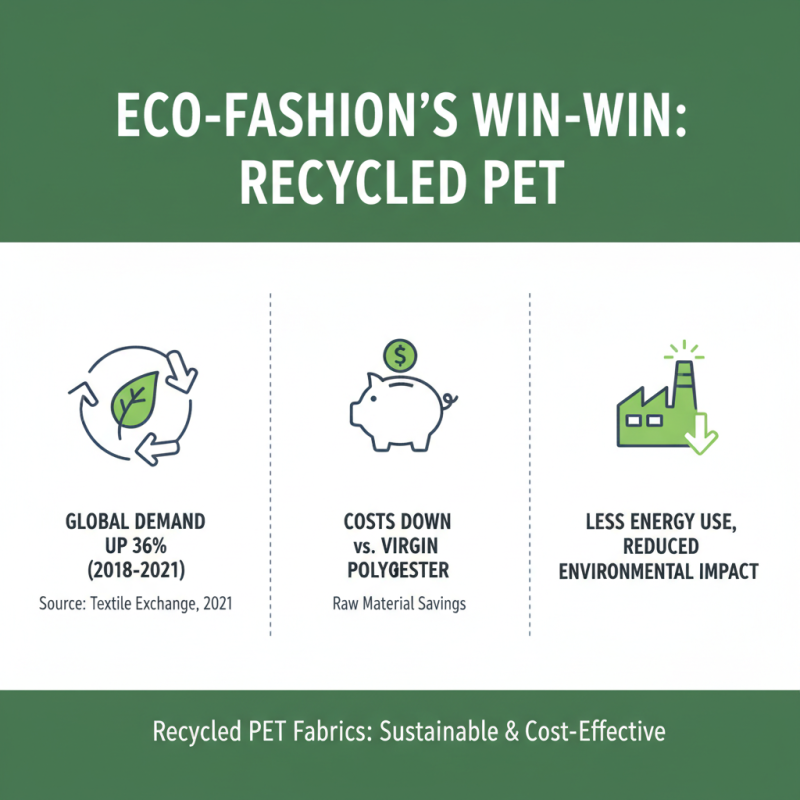
The cost-effectiveness of using recycled PET fabrics in sustainable fashion is increasingly evident as the industry evolves towards more eco-friendly practices. According to the Textile Exchange's 2021 Preferred Fiber and Materials Market Report, the global demand for recycled polyester has surged by 36% since 2018, reflecting a dramatic shift in consumer preferences towards sustainable materials. This growing interest is attributed to the lower raw material costs associated with recycled PET, which can be up to 30% cheaper than virgin polyester when considering the overall lifecycle expenses. Additionally, the production of recycled PET consumes significantly less energy, reducing overall production costs and environmental impact.
A report by the Ellen MacArthur Foundation emphasizes that the use of recycled materials can help fashion brands save on energy consumption, with recycled polyester requiring 59% less energy compared to conventional polyester production. This reduction not only lowers operational costs but also positions businesses favorably in a market increasingly concerned with environmental responsibility. As consumers become more aware of their purchasing decisions, brands that leverage recycled PET can effectively market their products as cost-efficient and environmentally sustainable, appealing to the growing demographic of eco-conscious shoppers. Thus, the integration of recycled PET fabrics into fashion lines not only supports sustainability but also offers a financially viable solution for brands looking to innovate without compromising their bottom line.
Durability and Performance of Recycled PET Materials
Recycled PET (rPET) fabric offers remarkable durability and performance, setting a new benchmark in sustainable fashion. Made from post-consumer plastic bottles, rPET retains many characteristics of virgin polyester while also introducing unique environmental benefits. Its resistance to wear and tear ensures that garments and accessories made from this material can withstand everyday usage without compromising their appearance or function. This durability is crucial for consumers seeking long-lasting products that contribute to a more sustainable lifestyle.
In addition to its strength, recycled PET fabric exhibits excellent moisture-wicking properties, making it ideal for activewear and outdoor apparel. The fabric's ability to dry quickly and manage moisture effectively enhances comfort for the wearer, whether during exercise or daily wear. Furthermore, rPET can be engineered to possess varying degrees of stretch and breathability, allowing designers to create innovative and functional pieces that cater to diverse consumer needs. By choosing rPET fabrics, fashion brands not only promote sustainability but also deliver high-performance options that prove both pragmatic and stylish.
Consumer Awareness and Preference for Sustainable Fashion Options
As consumer awareness around environmental issues continues to grow, so does the preference for sustainable fashion options. Shoppers today are increasingly knowledgeable about the negative impacts of fast fashion on the planet, prompting a shift toward more eco-friendly alternatives. This heightened consciousness has resulted in a greater demand for recycled materials, such as recycled PET fabric, which has become a popular choice among brands committed to sustainability. By opting for recycled fibers, consumers feel empowered, knowing their purchases contribute to reducing waste and conserving resources.
Moreover, this shift in consumer preference is fostering innovation and creativity within the fashion industry. Designers and manufacturers are exploring novel ways to utilize recycled materials, thus driving the development of stylish and durable products that appeal to eco-conscious shoppers. Sustainable fashion is no longer seen as simply practical or utilitarian; it is now synonymous with cutting-edge design and aesthetic appeal. As awareness and demand for sustainable options rise, the industry is likely to keep evolving, further integrating eco-friendly practices and materials into the fabric of everyday fashion choices.