Leave Your Message

Top 10 Benefits of Recycled Nylon Fabric for Sustainable Fashion?

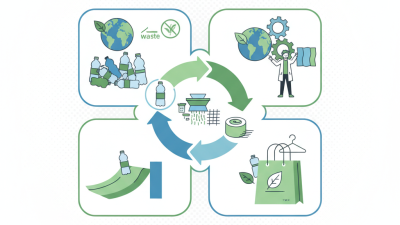
In recent years, the fashion industry has seen a shift towards sustainability. One significant innovation is the use of Recycled Nylon Fabric, which addresses environmental concerns effectively. According to Dr. Emily Carter, a leading expert in sustainable textiles, "Recycled Nylon Fabric transforms waste into fashion, reducing the need for virgin materials." This fabric is made from post-consumer plastics, such as discarded fishing nets and plastic bottles.

The benefits of Recycled Nylon Fabric are numerous. It reduces landfill waste and lowers carbon emissions. Additionally, the production process consumes less energy than creating new nylon. However, despite its advantages, the industry faces challenges. Not all consumers are aware of its potential. There are still misconceptions about recycled materials that need addressing.

Yet, as demand for sustainable options grows, the future of Recycled Nylon Fabric looks promising. Brands embracing this innovation can lead the market. Making sustainable choices should be a priority, not just a trend. The road to a circular fashion economy is still long, but each step matters.

Top 10 Benefits of Recycled Nylon Fabric for Sustainable Fashion?

Benefits of Recycled Nylon Fabric in Reducing Waste in Fashion Industry

The fashion industry generates massive waste. Research indicates that approximately 92 million tons of textile waste is created annually, much of it landfilled. Recycled nylon fabric presents a viable solution. By reusing materials, this fabric reduces waste significantly. Up to 92% less energy is needed to produce recycled nylon compared to virgin nylon, according to the Textile Exchange.

Moreover, using recycled nylon decreases reliance on fossil fuels. The production process of traditional nylon involves crude oil extraction, which harms the environment. By choosing recycled options, the fashion industry can lower its carbon footprint. Some reports suggest that recycling a single ton of nylon can save about 6.5 tons of CO2 emissions, highlighting its positive impact.

Tip: Opt for local brands that implement recycled materials in their collections. Supporting local minimizes transportation emissions.

Yet, challenges remain. The quality of recycled nylon can vary. Not all recycled nylon is created equal. Shoppers should be discerning, focusing on certifications that ensure quality and sustainability.

Tip: Educate yourself about sustainable materials. Understanding fabric types helps make conscious choices when shopping for eco-friendly fashion.
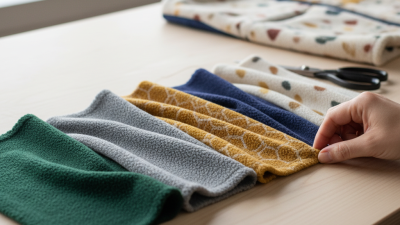
Energy Savings: The Environmental Impact of Using Recycled Nylon

Recycled nylon fabric plays a significant role in sustainable fashion, particularly in saving energy. The production of virgin nylon is energy-intensive, consuming vast amounts of fossil fuels. In contrast, using recycled nylon drastically reduces this energy requirement. It can save approximately 80% of the energy compared to creating new nylon from raw materials. This notable reduction makes recycling a vital part of the fashion industry’s efforts to lower carbon emissions.

Additionally, there are other environmental impacts to consider. The process of recycling nylon helps divert waste from landfills. However, the recycling process itself can also consume energy. It’s essential to improve these methods continuously for a full sustainable cycle. Consumers must understand that while recycled nylon is a step forward, it is not a panacea for all sustainability issues in fashion. The overall water usage, chemical treatment, and transportation need ongoing reflection.

By prioritizing recycled nylon, brands can contribute to energy savings. Yet, one must evaluate the entire lifecycle of such materials. These efforts can sometimes lead to greenwashing if not accurately represented. The complexity of sustainable fashion demands critical thinking and awareness from both producers and consumers alike.

Top 10 Benefits of Recycled Nylon Fabric for Sustainable Fashion

Durability and Performance: Advantages of Recycled Nylon in Apparel

Recycled nylon fabric offers significant durability and performance advantages for apparel. This material boasts impressive strength, making it ideal for products that endure daily wear. Unlike conventional fabrics, recycled nylon maintains its integrity even under strenuous conditions. It resists tears and abrasions, ensuring longevity. Consumers often seek these qualities in high-performance clothing.

Additionally, recycled nylon exhibits excellent elasticity. This feature allows garments to retain their shape over time. Clothing made from this fabric adapts well to movement, enhancing comfort for the wearer. The moisture-wicking properties also keep the skin dry during physical activities. However, one should consider that the production process may still release some pollutants.

Sustainability issues still arise in recycling nylon. The technology is improving, but not all facilities use eco-friendly methods. It’s essential to choose products from responsible sources that prioritize environmental impact. Reflecting on these facets can lead to better choices in sustainable fashion.

Economic Benefits: Cost-Effectiveness of Recycled Nylon Production

Recycled nylon fabric is revolutionizing fashion. Its production is often more economical than traditional methods. This cost-effectiveness stems from using waste materials, which lowers raw material costs. Manufacturers reduce their environmental footprint while keeping prices competitive. This means businesses can offer affordable sustainable options. This benefits consumers who want to make environmentally friendly choices without breaking the bank.

When considering recycled nylon, look at manufacturing processes. Production techniques can vary significantly. Some methods use less energy and water, while others may not. It is wise to research how recycled nylon products are made. Check whether companies share details about their sourcing and production methods. Transparency builds trust and credibility.

Remember to evaluate the longevity of recycled nylon products. They should withstand wear and tear better than traditional fabrics. Consumers often overlook durability. It's essential to consider how long a garment lasts before making a purchase. Sustainable choices should not sacrifice quality for cost. This reflection can lead to better buying habits in sustainable fashion.

Promoting Ethical Consumerism: The Role of Recycled Nylon in Fashion Choices

Recycled nylon fabric plays a significant role in promoting ethical consumerism. This material comes from waste products, such as discarded fishing nets and fabric scraps. In the fashion industry, these resources reduce reliance on virgin materials. According to the Global Fashion Agenda's 2021 report, the use of recycled materials can help reduce greenhouse gas emissions by up to 90% compared to conventional production methods.

As consumer awareness grows, the demand for sustainable fashion rises. A survey by Nielsen reported that 66% of global consumers are willing to pay more for sustainable brands. This change indicates a shift toward ethical choices, often influenced by material origins. Recycled nylon offers a tangible way to make fashion choices that align with one’s values. Yet, the challenge remains to ensure quality and performance meet consumer expectations.

However, the use of recycled nylon is not without complications. The current recycling processes can still result in quality loss, limiting its potential applications. Additionally, transparency in sourcing remains an issue. Consumers seek assurance that their purchases truly reflect sustainability, not just misleading claims. Engaging consumers with clear narratives about recycled materials can help bridge this trust gap, fostering a more responsible fashion community.

Top 10 Benefits of Recycled Nylon Fabric for Sustainable Fashion

Benefit Description Environmental Impact Consumer Appeal
Reduces Waste Uses discarded nylon, diverting it from landfills. Decreases landfill contributions. Attracts eco-conscious consumers.
Lower Carbon Footprint Producing recycled nylon emits less CO2 than virgin nylon. Lowers greenhouse gas emissions. Appeals to environmentally aware shoppers.
Conserves Resources Reduces reliance on petroleum-based materials. Preserves non-renewable resources. Promotes sustainable consumption practices.
Durability Often just as strong and resilient as new nylon. Longer-lasting products reduce need for replacements. High performance attracts quality-first consumers.
Versatile Applications Suitable for clothing, accessories, and more. Expands sustainable product offerings. Appeals to a wide range of consumers.
Supports Circular Economy Encourages recycling and reusing of materials. Fosters sustainability in production and usage. Aligns with ethical consumer values.
Meets Ethical Standards Manufactured under socially responsible conditions. Contributes to fair labor practices. Enhances brand trust and loyalty.
Innovation in Textiles Encourages technological advancements in fabric development. Drives new sustainable production methods. Attracts trendsetters and innovators.
Enhances Brand Image Brands using recycled nylon position themselves as leaders in sustainability. Fosters a positive environmental reputation. Strengthens customer connections through shared values.
Cost-Effectiveness Can be more cost-effective than raw materials in the long run. Encourages more sustainable purchasing habits. Appeals to budget-conscious consumers.