Exploring the Benefits of Natural Stretch Fabric: A Sustainable Choice for Everyday Comfort
In an age where sustainability and comfort are paramount, the spotlight is now shining on
Natural Stretch Fabric as a revolutionary choice in our daily wardrobes. This innovative textile not only offers
unparalleled comfort and flexibility but also aligns with eco-friendly practices that resonate with the environmentally conscious consumer.
By incorporating natural fibers and sustainable manufacturing processes,
Natural Stretch Fabric minimizes the ecological footprint while providing the durability and breathability needed for everyday wear.
In this article, we will delve into the numerous advantages of this remarkable fabric, offering tips on how to incorporate it into your lifestyle,
and illustrating why it stands out as a superior alternative to conventional materials.
As we explore the transformative benefits of Natural Stretch Fabric, you'll discover how it seamlessly blends sustainability with everyday comfort,
making it an essential component of a responsible and stylish wardrobe.
Understanding Natural Stretch Fabrics: Composition and Characteristics
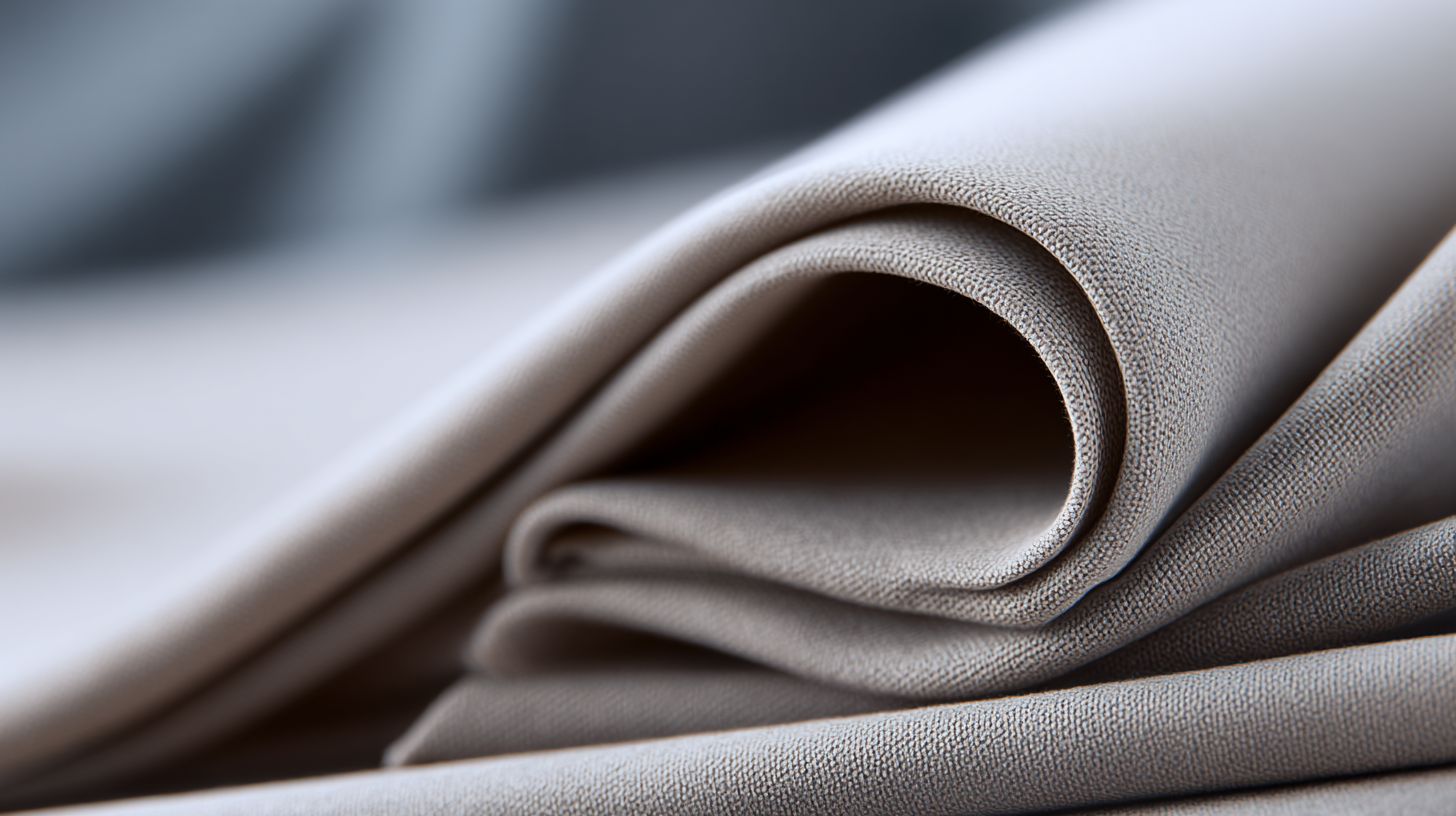
Natural stretch fabrics have gained popularity due to their comfort and sustainability. These materials are derived from organic fibers such as cotton, bamboo, and hemp, which inherently provide elasticity without the need for synthetic additives. The unique composition of natural stretch fabrics allows them to adapt to the body’s movements, making them ideal for everyday wear. Unlike traditional materials that may restrict movement, these fabrics offer a soft, breathable experience that enhances the overall comfort of clothing.
In terms of characteristics, natural stretch fabrics are often designed to be durable and long-lasting. The fibers used in their production are not only eco-friendly but also possess moisture-wicking properties, which helps in regulating body temperature. Additionally, these fabrics are less likely to cause skin irritation, making them suitable for individuals with sensitive skin. As consumers increasingly prioritize sustainable choices in their wardrobes, understanding the composition and benefits of natural stretch fabrics becomes essential for making informed purchasing decisions that align with personal values and lifestyles.
Exploring the Benefits of Natural Stretch Fabric: A Sustainable Choice for Everyday Comfort
| Feature |
Natural Stretch Fabric |
Benefits |
| Composition |
Cotton, Bamboo, Wool |
Breathable and Comfortable |
| Elasticity |
High Stretch Recovery |
Maintains Shape Over Time |
| Sustainability |
Biodegradable Materials |
Reduced Environmental Impact |
| Moisture Management |
Absorbs and Wicks Away Sweat |
Keeps You Dry and Comfortable |
| Softness |
Cotton or Bamboo Blend |
Luxuriously Soft Against the Skin |
| Versatility |
Suitable for Various Styles |
Ideal for Everyday Wear |
The Comfort Factor: How Natural Stretch Fabrics Enhance Daily Wear
 Natural stretch fabrics have revolutionized the way we approach daily wear, enhancing comfort without compromising sustainability. According to a 2022 report by the Global Textile Alliance, the growing demand for comfortable, flexible clothing has led to a 15% increase in the market share of natural stretch fabrics over the past five years. Fabrics such as organic cotton and bamboo not only offer superior elasticity but also allow for breathability, making them ideal for both active and casual wear.
The unique properties of natural stretch fabrics contribute significantly to everyday comfort. A comprehensive survey from the Fabric Sustainability Institute revealed that 72% of consumers prefer clothing made from natural fibers because they minimize irritation against the skin while providing adequate support and movement. Furthermore, these materials have moisture-wicking capabilities, keeping wearers cool and dry throughout the day. As our understanding of body comfort continues to evolve, the integration of natural stretch fabrics in everyday clothing stands as a testament to the potential of eco-friendly alternatives to enhance our quality of life.
Sustainability Matters: The Environmental Impact of Natural Fabrics
The growing emphasis on sustainability in fashion has highlighted the significant environmental benefits of natural stretch fabrics. According to a report by the Textile Exchange, organic cotton, for instance, uses 91% less water and emits 46% less carbon compared to conventional cotton farming practices. As consumers become increasingly aware of their environmental footprint, the demand for sustainable materials has surged. Natural stretch fabrics, often made from sources like organic cotton, hemp, or Tencel, not only offer superior comfort and elasticity but also minimize harm to the planet.
Furthermore, the production of synthetic fabrics is a major contributor to pollution and greenhouse gas emissions. A study by the Ellen MacArthur Foundation reported that microplastics, predominantly from synthetic clothing, are responsible for up to 35% of all ocean microplastic pollution. In contrast, natural stretch fabrics decompose much more easily, reducing their impact on landfills and natural ecosystems. By choosing these materials, consumers can play a vital role in encouraging a shift towards more sustainable practices within the fashion industry, helping to preserve our planet for future generations.
Exploring the Benefits of Natural Stretch Fabric: A Sustainable Choice for Everyday Comfort
This chart illustrates the environmental benefits of using natural stretch fabrics compared to synthetic fabrics. The data reflects the average percentage reduction in carbon emissions, water use, and plastic waste associated with natural fabrics.
Versatility in Fashion: Styling Options with Natural Stretch Materials
Natural stretch fabrics have gained significant attention in the fashion industry due to their versatility in styling for various occasions, making them a sustainable choice for everyday comfort. The unique properties of these fabrics allow designers to create clothing that moves with the body, providing exceptional comfort without compromising on style. For instance, the recent trend in men's travel pants highlights how natural stretch materials can elevate functionality while maintaining a polished look; many products tested this year feature quick-drying and wrinkle-resistant characteristics, essential for travelers.
In the women's fashion realm, options ranging from leggings to tailored trousers showcase this versatility. According to industry reports, consumers are increasingly seeking garments that combine style and comfort, with over 75% of shoppers expressing a preference for stretchy, comfortable work pants. A pivotal trend is the rise of leggings and joggers that have extended beyond loungewear; they can easily transition to smart-casual settings with the right pairing.
Tips: When styling natural stretch materials, consider layering with structured outerwear for a balanced silhouette. Additionally, accessorizing with belts can enhance your look, tying the outfit together seamlessly. When selecting travel-friendly options, focus on breathable fabrics that offer both stretch and durability for long-lasting wear.
Care and Maintenance: Keeping Your Natural Stretch Fabrics Looking Great
Natural stretch fabrics, such as those made from organic cotton, bamboo, and linen, offer a sustainable and comfortable choice for daily wear. To maintain the luxurious feel and longevity of these fabrics, proper care is essential. According to a report from the Sustainable Apparel Coalition, maintaining garments for longer periods can reduce their environmental impact by up to 73%. Washing in cold water and air drying not only conserves energy but also helps preserve the elasticity and color of natural stretch fabrics.
When it comes to stains and spills, acting quickly is key. Most experts recommend gently blotting the area with a damp cloth and a mild, eco-friendly detergent, rather than harsh chemicals that can degrade the fabric's fibers over time. A survey by Textile Exchange found that consumers who care for their garments properly can extend their lifespan by at least 30%, minimizing the need for frequent replacements and contributing to a more sustainable wardrobe. With mindful maintenance, your natural stretch fabrics will not only look great but also support a more eco-conscious lifestyle.