2026 Top Trends in Microfiber Stretch Fabric What You Need to Know
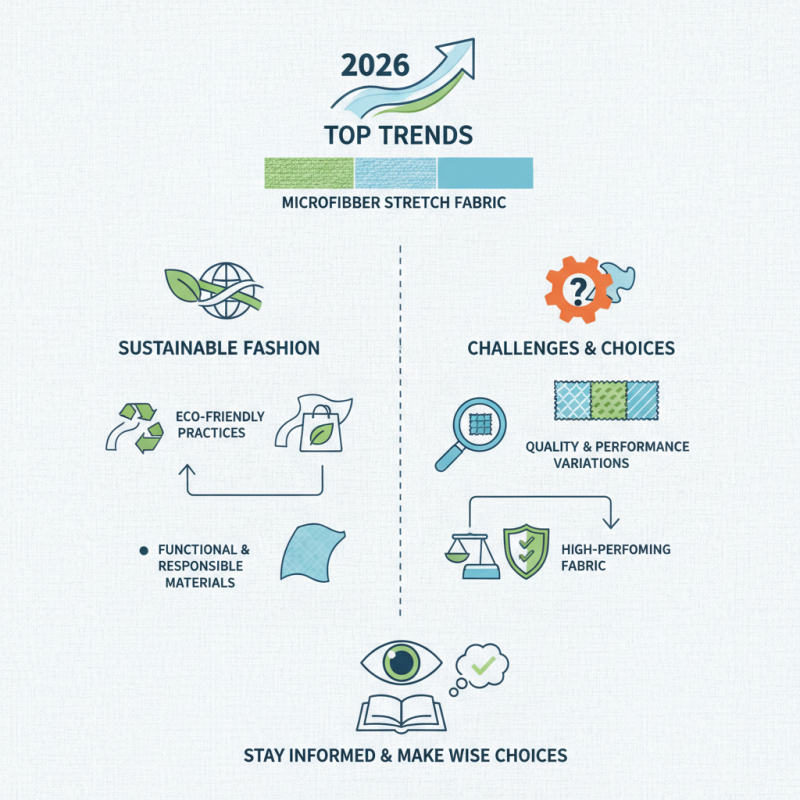
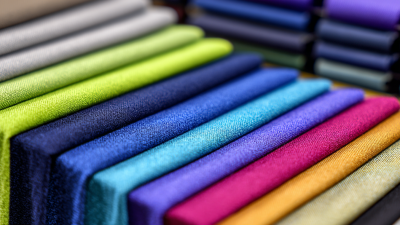
Microfiber Stretch Fabric is revolutionizing the textile industry. This innovative material combines softness with durability. In 2026, the trends in this fabric will take center stage.
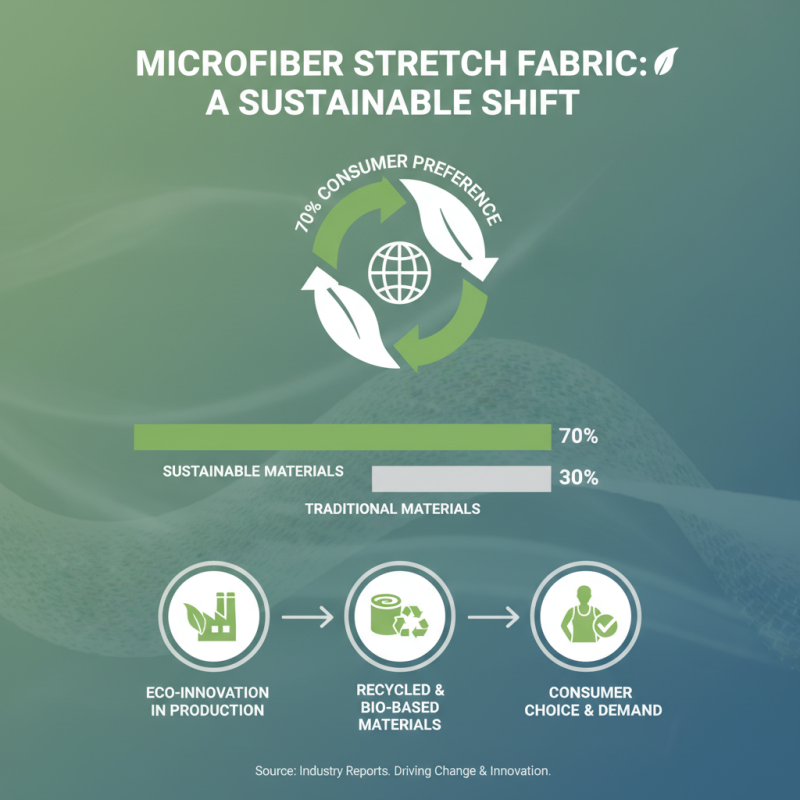
The rise of sustainable fashion is influencing microfiber stretch fabric. Brands are moving towards eco-friendly practices. Consumers demand materials that are both functional and responsible. This fabric aligns with those needs perfectly.
However, some challenges remain. Not all microfiber stretch fabrics are created equal. Quality and performance can vary widely. Buyers must remain vigilant. It's essential to understand what constitutes a high-performing microfiber stretch fabric. Stay informed and make wise choices.
Emerging Innovations in Microfiber Stretch Fabric Technologies
Microfiber stretch fabric is evolving rapidly. Innovations in technology are reshaping its design and performance. These fabrics now offer enhanced flexibility and durability. One exciting breakthrough is the development of eco-friendly production methods. Manufacturers are now using recycled materials, reducing environmental impact significantly. This shift is crucial for sustainability.
New textile technologies enhance moisture-wicking properties. Fabrics are becoming more breathable, improving comfort during wear. Consumers appreciate the lightweight feel and increased stretch. However, some designs still struggle with fading or pilling over time. These issues remind manufacturers of the need for constant innovation.
Integrating smart technology into fabrics is another trend. Fabrics embedded with sensors can track body temperature and movement. This could revolutionize activewear, blending fashion with functionality. Yet, potential privacy concerns arise with such advancements. These elements invite ongoing reflection in this dynamic field.
2026 Top Trends in Microfiber Stretch Fabric
| Trend |
Description |
Benefits |
Technological Innovations |
| Eco-Friendly Materials |
Utilization of recycled fibers and sustainable production practices. |
Reduction in environmental impact and enhanced brand image. |
Innovations in fiber recycling technologies. |
| Enhanced Stretchability |
Improved elasticity and recovery of stretch fabrics. |
Increased comfort and wearability in garments. |
Development of advanced elastic fibers. |
| Moisture Management |
Fabrics engineered to wick moisture away from the body. |
Improved comfort in athletic and casual wear. |
Integration of specialized moisture-wicking technologies. |
| Antimicrobial Properties |
Fabrics treated to resist bacteria and odors. |
Enhanced hygiene and freshness in clothing. |
Advancements in fiber treatments and finishes. |
| Smart Fabrics |
Integration of sensors and technology into fabrics. |
Real-time data collection for health and performance monitoring. |
Innovations in conductive fibers and electronic components. |
Key Characteristics of Microfiber Stretch Fabrics in 2026
Microfiber stretch fabrics are gaining traction in 2026, driven by evolving consumer preferences. These materials blend polyester and polyamide, offering a soft, durable option for various applications, from apparel to upholstery. According to recent industry reports, the global microfiber fabric market is projected to exceed $15 billion by 2026. This growth highlights the increasing demand for innovative textiles.
Key characteristics of microfiber stretch fabrics include exceptional breathability and moisture-wicking properties. These features help regulate body temperature and enhance comfort. Additionally, they offer good stretch and recovery, making them ideal for activewear. However, some consumers express concerns about their environmental impact. The production process often involves heavy chemical usage, leading to potential ecological consequences.
Another critical aspect to consider is durability. While microfiber stretch fabrics are known for their strength, they may not always last long under heavy use. Wear and tear can occur, especially if proper care is not taken. Users need to balance the advantages with these potential downsides. In 2026, addressing these challenges will be crucial for manufacturers aiming to meet the needs of environmentally conscious consumers.
2026 Top Trends in Microfiber Stretch Fabric
This chart illustrates the key characteristics of microfiber stretch fabrics in 2026, rated on a scale from 1 to 10. Durability and stretchability rank highest, indicating strong performance in these areas, while eco-friendliness, although important, shows room for improvement.
Market Demand: Industries Driving the Microfiber Stretch Fabric Boom
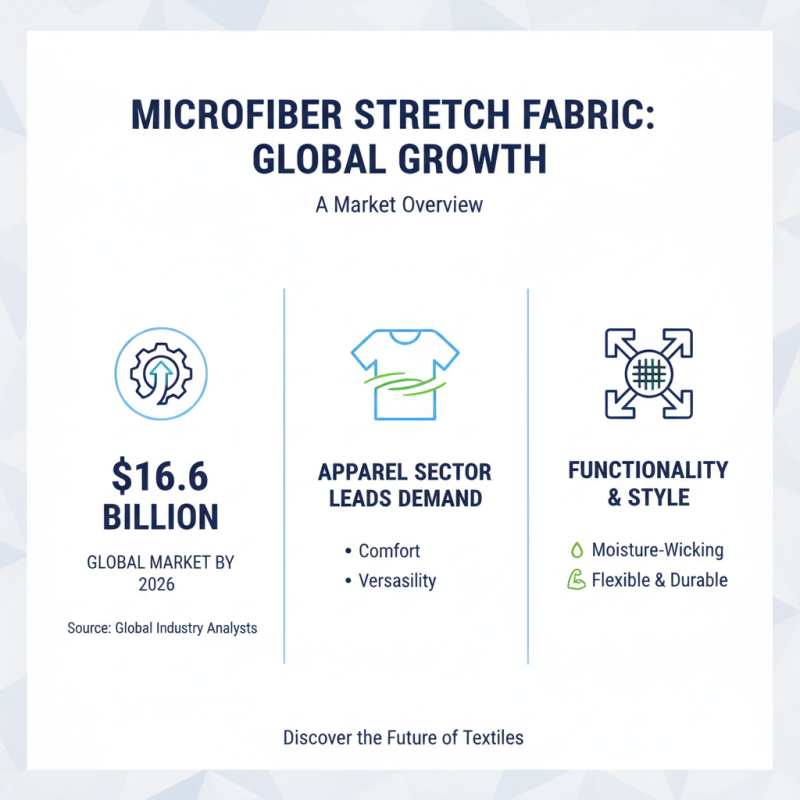
In recent years, the demand for microfiber stretch fabric has surged across various industries. According to a report by Global Industry Analysts, the global microfiber market is expected to reach $16.6 billion by 2026. This growth is driven largely by the apparel sector, where consumers seek comfortable, versatile fabrics. The appeal lies in the blend of functionality and style.
The activewear industry is a significant player in this boom. In 2023, the global activewear market was valued at $353 billion. Microfiber stretch fabric is favored for its moisture-wicking properties and flexibility. Materials that stretch effectively cater to the rising trend of athleisure wear. People want clothes that transition effortlessly from workouts to daily life.
Nevertheless, challenges in production and sustainability must be addressed. Microfiber pollution has raised concerns among eco-conscious consumers. Brands are pushed to adopt cleaner production practices. Transparency in sourcing materials can build trust among clients. As the industry evolves, finding a balance between innovation and responsibility will be crucial.
Future Applications and Use Cases for Microfiber Stretch Fabrics
Microfiber stretch fabrics are gaining traction in various industries for their versatility. These materials, known for their elasticity and comfort, find applications in sportswear, upholstery, and even medical supplies. According to industry reports, the global microfiber fabric market is projected to reach $20 billion by 2028, reflecting a significant interest in high-performance textiles.
Future applications are expanding. In activewear, microfiber stretch fabrics enhance mobility and breathability, crucial for athletes. Reports indicate that demand in the sports segment is expected to grow by 5% annually. In home furnishings, these fabrics provide durability and soft textures, reflecting consumer preference for sustainable and functional materials. Medically, their antimicrobial properties are beneficial for surgical gowns and patient attire, addressing hygiene concerns.
Tip: When choosing microfiber stretch fabric, consider its stretchability and breathability for better performance.
However, challenges remain. Production methods can impact sustainability, and not all microfiber materials are equal in quality. Transparency in sourcing is essential for consumers who prioritize eco-friendliness.
Tip: Research the manufacturing processes of suppliers to ensure sustainable practices.