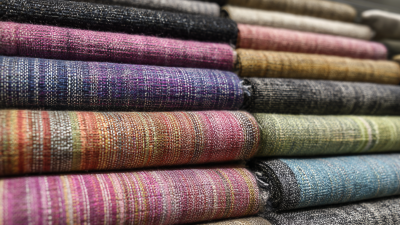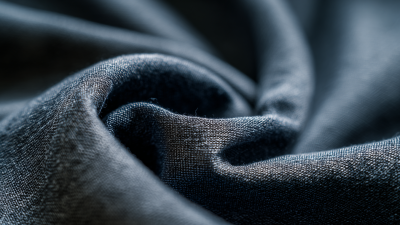
As the fashion industry continues to evolve, the emphasis on sustainability has become more pronounced, shaping consumer preferences and design practices for the better. One of the most exciting developments in the realm of sustainable fashion is the innovative use of Recycled Denim Fabric. This material not only addresses the growing concern over textile waste but also showcases the potential to create stylish, contemporary designs without compromising our planet’s health.
In 2025, we are set to witness an array of trends that harness the unique properties of Recycled Denim Fabric, transforming it into a cornerstone of eco-friendly apparel. From chic streetwear to refined high-fashion staples, the versatility of recycled denim opens new avenues for creativity while championing ethical production practices.
As brands and designers embrace this shift towards sustainability, the fashion landscape is evolving to reflect our collective commitment to the environment. The adoption of Recycled Denim Fabric will not only redefine our wardrobes but also inspire a new generation of consumers who prioritize conscious consumption. Join us as we explore the top sustainable fashion trends emerging from this innovative material, paving the way for a greener future in style.
As we look ahead to 2025, sustainable fashion continues to gain momentum, driven by an increasing consumer preference for environmentally friendly practices and materials. According to a recent report by McKinsey & Company, 57% of consumers are now more mindful of sustainable practices than they were five years ago, significantly influencing their purchasing decisions. This shift is not just a passing trend; it represents a fundamental change in the fashion industry, with recycled materials taking center stage. In particular, the use of recycled denim fabric is poised to redefine production processes and consumer experiences in the coming years.
Incorporating recycled denim, which uses 90% less water and emits 70% fewer greenhouse gases compared to traditional denim production, stands as a prime example of how the industry can innovate while reducing its ecological footprint. The Ellen MacArthur Foundation highlights that the circular economy model, which emphasizes the reuse of materials, is essential for achieving sustainability goals. As brands increasingly commit to transparent supply chains and circularity, the use of recycled denim not only exemplifies a commitment to sustainability but also resonates with the environmentally-conscious consumer, paving the way for broader industry transformation. With this focus, the fashion sector aligns itself with the global call for a more sustainable future, setting a precedent for responsible production and consumption practices.
Recycled denim fabric is emerging as a vital component in sustainable fashion, significantly reducing the environmental impact of textile production. The fashion industry is responsible for approximately 10% of global carbon emissions, with conventional denim manufacturing contributing heavily to water usage and pollution. The adoption of recycled denim offers a promising solution, as it can save up to 95% of water compared to the creation of new denim from virgin cotton, according to the Ellen MacArthur Foundation. This not only lessens our carbon footprint but also helps in the conservation of resources, turning waste into valuable materials.
In 2025, one of the top sustainable fashion trends is expected to be the widespread incorporation of recycled denim across various apparel lines. The significance lies not only in the reduction of waste but also in the innovative designs that can be created from recycled materials. The Global Fashion Agenda's 2022 report highlights that a shift towards circular fashion could save the industry $160 billion annually by 2030. As consumers increasingly prioritize sustainability, brands focusing on recycled denim can attract eco-conscious buyers while positioning themselves as leaders in ethical fashion.
**Tips**: When choosing sustainable denim options, look for certifications that guarantee the use of recycled materials and sustainable processes. Additionally, consider purchasing from brands that prioritize transparency in their supply chains to ensure that they adhere to environmental standards. Embracing second-hand denim pieces can also contribute to sustainability efforts and minimize the demand for new textile production.
The innovative techniques in recycling denim fabric have taken sustainable fashion to new heights, reflecting a growing commitment to environmental responsibility. One of the key methods involves mechanical recycling, where old denim is shredded and transformed into new fibers. This process minimizes the need for virgin materials and significantly reduces water and energy consumption compared to traditional denim production. By employing this technique, sustainable fashion designers are able to create garments with a lower carbon footprint while maintaining the quality and durability associated with denim.
Another exciting development is the use of enzymatic processes to recycle denim. This technique involves the application of specific enzymes that selectively break down the cellulose in denim fabric. This allows for a more efficient recovery of fibers without resorting to harsh chemicals or excessive energy use. Additionally, innovations in dyeing processes that utilize plant-based dyes or waterless technologies further enhance the sustainability of recycled denim. These advancements not only empower consumers to make eco-friendly fashion choices but also inspire a shift in the industry towards more sustainable practices, showcasing a future where fashion and environmental consciousness go hand in hand.
The increasing emphasis on sustainability in fashion has led to a remarkable surge in the use of recycled denim, a material that not only reduces waste but also promotes eco-friendly production practices. One of the key trends in sustainable fashion is the innovative use of recycled denim fabric to create versatile and stylish pieces. Designers are finding creative ways to incorporate this material, seamlessly blending aesthetics with functionality. From upcycled jackets to sustainable jeans, the versatility of recycled denim allows for a myriad of designs that cater to various fashion preferences.
Moreover, the incorporation of recycled denim extends beyond clothing, influencing accessories and home textiles. Items such as bags, belts, and upholstery are now being crafted from recycled denim, showcasing its durability and unique texture. This trend highlights a shift in consumer behavior toward sustainable choices, encouraging brands to adopt responsible sourcing and production methods. By leveraging recycled denim, the fashion industry is making significant strides towards a circular economy, emphasizing quality over quantity and reducing reliance on virgin materials. As this movement grows, it sets a precedent for future fashion innovations centered on sustainability and environmental consciousness.
The use of recycled denim fabric is set to revolutionize the fashion industry in the coming years, as sustainability takes center stage in consumer choices and brand practices. The implications of adopting recycled denim extend beyond mere environmental benefits; they signify a significant shift in how fashion companies approach production, design, and consumption. By embracing materials that repurpose existing garments, the industry is not only addressing the growing concern of textile waste but is also redefining the narrative surrounding resource consumption and ethical production.
As recycled denim becomes a staple in sustainable fashion, brands will need to adapt their supply chains to support this transition. This involves building partnerships with recycling facilities, investing in innovative technology for better fabric processing, and educating consumers about the benefits of choosing recycled materials. Additionally, the trend is likely to encourage more circular economy practices, prompting companies to create closed-loop systems where used denim can continually be recycled into new products. As the fashion industry evolves, these practices will foster greater transparency and accountability, pushing brands to prioritize sustainability as a core value rather than an afterthought.
| Trend | Description | Environmental Impact | Consumer Appeal | Future Implications |
|---|---|---|---|---|
| Circular Fashion | Using recycled denim to create garments that can be easily recycled again. | Reduces textile waste and resource consumption. | Increases consumer awareness and preference for sustainable products. | Paves the way for industry-wide adoption of circular practices. |
| Upcycling Innovations | Innovative designs transforming old denim into new styles. | Minimizes waste by repurposing worn materials. | Appeals to eco-conscious consumers looking for unique items. | Encourages creativity and sustainable design in fashion. |
| Natural Dyes | Dyeing recycled denim with natural plant-based colors. | Lowers chemical waste in dyeing processes. | Resonates with consumers seeking organic and non-toxic options. | Promotes a shift away from synthetic dyes in the industry. |
| Water Conservation Techniques | Utilizing less water in the production of recycled denim. | Significantly cuts down on water usage in textile manufacturing. | Attracts consumers concerned about water scarcity issues. | Encourages the integration of sustainable practices in all textiles. |
| Community-Driven Initiatives | Collaborations with local artisans using recycled denim. | Supports local economies and reduces carbon footprint. | Inspires consumer loyalty through community engagement. | Strengthens local fashion ecosystems and sustainable practices. |