2025 Guide: How to Choose and Care for Dyed Woven Fabric
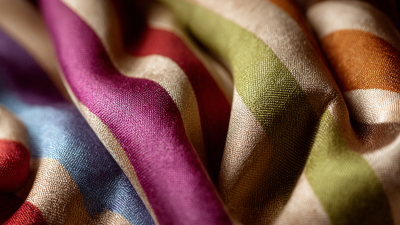
In the vibrant world of textiles, the allure of Dyed Woven Fabric stands out, captivating designers and consumers alike. As we move towards 2025, understanding how to choose and care for these fabrics becomes increasingly essential. Renowned textile expert Dr. Emily Stanton emphasizes, "The richness of color in Dyed Woven Fabric not only enhances the aesthetic appeal but also tells a story of craftsmanship and innovation." Her insights remind us that the selection process involves not just an appreciation for color, but also a thoughtful consideration of material quality and textile maintenance.
Choosing the right Dyed Woven Fabric requires a keen awareness of its various characteristics, including the type of dye used, the weave pattern, and how each factor affects durability and colorfastness. Furthermore, proper care techniques can significantly extend the lifespan of these fabrics, ensuring that their colors continue to shine through wear and washing. With expert guidance and thoughtful considerations, consumers can navigate the intricate landscape of Dyed Woven Fabric, making informed choices that reflect both style and sustainability.

Understanding Dyed Woven Fabrics: Types and Characteristics
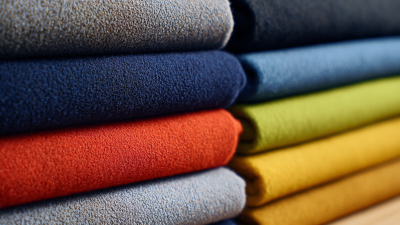
Dyed woven fabrics are a popular choice in the textile industry due to their versatility and aesthetic appeal. They come in various types, each characterized by unique weaving techniques and dyeing processes. The two primary categories of dyed woven fabrics are natural and synthetic. Natural dyed fabrics are typically made from fibers like cotton or linen, dyed with organic substances, which results in rich, vibrant colors but can be less colorfast. In contrast, synthetic woven fabrics, often made from polyester or nylon, utilize artificial dyes that offer a broader spectrum of colors and better durability against fading.
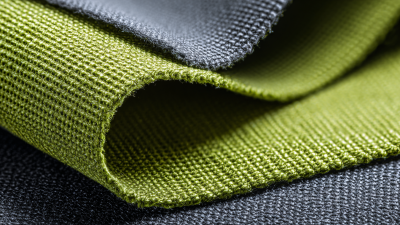
Understanding the characteristics of these fabrics is crucial for making informed choices. Consider factors such as the texture, weight, and breathability when selecting a fabric for a specific project. For example, lightweight woven fabrics are ideal for summer garments, while heavier versions provide warmth for colder seasons. Additionally, woven fabrics can have different patterns and finishes, such as twill or satin, affecting their drape and overall look. Proper care for dyed woven fabrics is essential to preserve their colors and integrity, which often includes gentle washing methods and avoiding direct sunlight exposure to reduce fading. By familiarizing yourself with these attributes, you can better appreciate the artistry involved in dyed woven fabrics and utilize them effectively in your designs.
2025 Guide: How to Choose and Care for Dyed Woven Fabric
| Fabric Type |
Common Characteristics |
Best Use |
Care Instructions |
| Cotton |
Soft, breathable, absorbs moisture |
Clothing, home textiles |
Machine wash cold, tumble dry low |
| Linen |
Strong, breathable, has a natural luster |
Summer clothing, table linens |
Machine wash cold, iron while damp |
| Silk |
Luxurious, smooth, has a natural sheen |
Formal wear, accessories |
Hand wash or dry clean only |
| Polyester |
Durable, wrinkle-resistant, quick-drying |
Active wear, home furnishings |
Machine wash warm, tumble dry |
| Rayon |
Soft, breathable, has a silky texture |
Dresses, blouses |
Hand wash cold, do not wring |
Factors to Consider When Choosing Dyed Woven Fabrics
When selecting dyed woven fabrics, various factors come into play to ensure you make the right choice that suits your needs. First and foremost, consider the type of fibers used in the fabric. Natural fibers like cotton or linen often have a different feel and breathability compared to synthetic options like polyester or nylon. Each fiber contributes to the durability and overall aesthetic, so understanding the end use of the fabric—whether for clothing, upholstery, or crafts—will guide your decision.
Another crucial aspect to contemplate is the dyeing technique employed. Fabrics can be dyed using methods such as direct dyeing, reactive dyeing, or natural dyeing, which can greatly affect colorfastness and environmental impact. Research the longevity of the color, especially if the fabric is subject to frequent washing or exposure to sunlight. Additionally, the fabric’s weave pattern can influence its texture and drape, impacting how it looks and feels in your creations. With these factors in mind, you are better equipped to select dyed woven fabrics that meet both your aesthetic and functional requirements.
2025 Guide: How to Choose and Care for Dyed Woven Fabrics
The following chart illustrates key factors to consider when choosing dyed woven fabrics, including colorfastness, durability, washing instructions, and overall aesthetic appeal.
Best Practices for Caring for Dyed Woven Fabrics
Caring for dyed woven fabrics requires a thoughtful approach to maintain their vibrancy and longevity. When washing these fabrics, always opt for a gentle cycle with cold water to prevent color bleeding. It’s advisable to use a mild detergent specifically formulated for colored fabrics. Avoid bleach and harsh chemicals that can strip away the dye, leading to faded or uneven colors over time.
Tips: Always test a small, inconspicuous area of the fabric with water and detergent before the first wash. This helps identify any potential color bleeding issues before treating the entire piece. Additionally, consider using a color catch sheet in the wash to absorb any excess dye that may escape during the cycle.
To dry dyed woven fabrics, it’s best to air dry them away from direct sunlight, which can cause fading. If using a dryer, select a low heat setting. Storing these fabrics in a cool, dry place and avoiding overcrowding in your storage space can also help prevent creasing and damage. Regularly rotate your fabrics to minimize wear on areas that are frequently exposed.
Tips: For items that are hung, use padded hangers to maintain their shape and prevent stretching. If you must iron, use a low temperature and place a cloth between the iron and the fabric to prevent direct heat contact, preserving the vibrant colors for long-term use.
Common Issues and Solutions for Dyed Woven Fabrics
Dyed woven fabrics are popular for their vivid colors and patterns, but they can present various challenges related to colorfastness and wear. According to a report from the American Association of Textile Chemists and Colorists, nearly 30% of consumers experience issues with fading, especially after repeated washes. This fading occurs due to inadequate dye penetration or improper fixation during the dyeing process, which can significantly affect the fabric's appearance over time. To address this, it's essential to choose fabrics dyed with high-quality, durable dyes, such as those that meet the AATCC Colorfastness Standards, ensuring that the colors withstand both washing and exposure to light.
Another common issue is bleeding, where dye transfers from one fabric to another, particularly when wet. This problem is often exacerbated in vibrant hues, which traditionally contain more unstable dye molecules. To mitigate bleeding, it's advisable to wash dyed woven fabrics separately in cold water and use a dye fixative, which can help lock the dye in place. Additionally, a study published in the Journal of Textile and Apparel Technology and Management suggests pre-washing the fabric before use to remove excess dye and prevent future color transfer. Following these guidelines can significantly enhance the longevity and quality of dyed woven fabrics, allowing for more satisfying use in various applications.
Sustainability Considerations in Dyed Woven Fabric Production
Sustainability in the production of dyed woven fabrics has become a vital concern in the textile industry. According to a report from the Global Fashion Agenda, the textile sector is responsible for 1.2 billion tonnes of greenhouse gas emissions annually, which is equivalent to the emissions produced by all international flights and maritime shipping combined. This staggering figure highlights the urgent need for sustainable practices, particularly in dyeing processes, which often consume large amounts of water and energy while releasing harmful chemicals into the environment.
In response to these challenges, many manufacturers are exploring eco-friendly dyeing techniques. For instance, the adoption of natural dyes derived from plants and minerals not only reduces the environmental footprint but also offers safer alternatives for workers and consumers alike. A study by the Ellen MacArthur Foundation indicated that transitioning to more sustainable dyeing processes could reduce water usage by up to 90% and chemical consumption significantly. Furthermore, innovative technologies such as digital printing are gaining traction, allowing for less waste and more efficient use of resources. These advancements, coupled with a growing consumer demand for transparency and environmental responsibility, are driving the textile industry towards a more sustainable future.